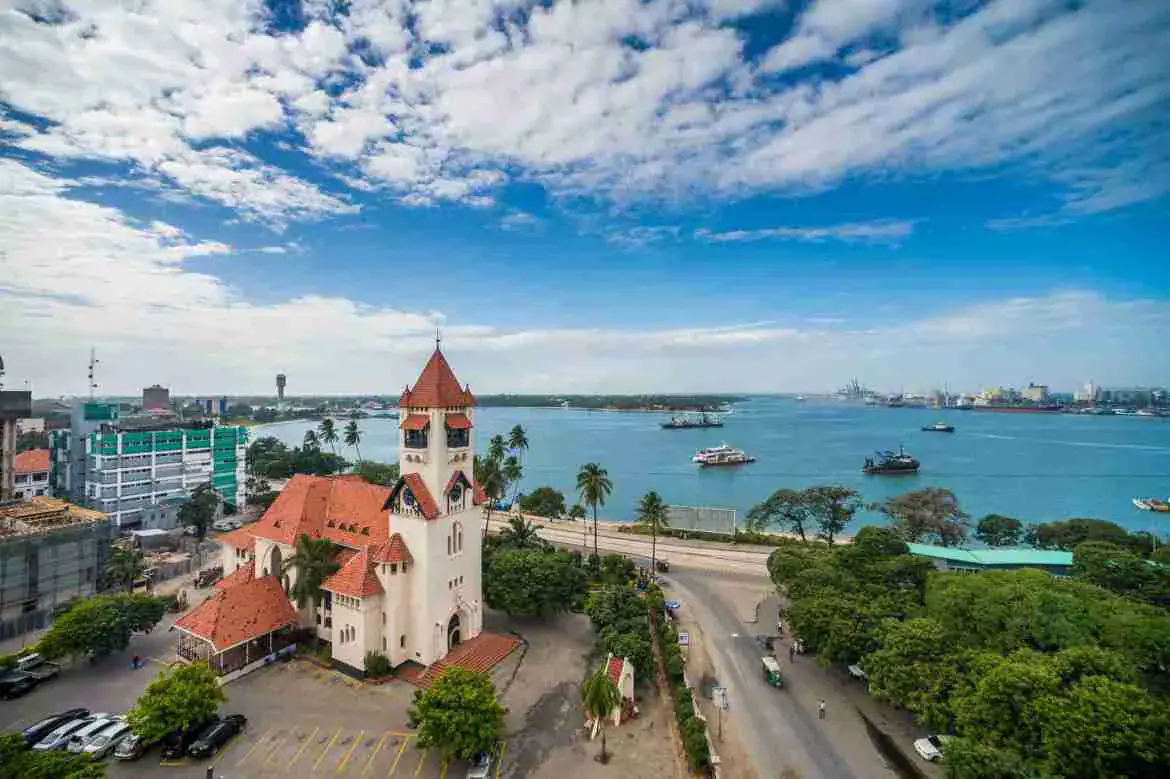
A recent World Bank Group report highlights the potential for Sub-Saharan Africa's cities to become powerful engines of economic growth and job creation. According to the report, "Sub-Saharan Africa's Urban Awakening: Catalyzing Economic Growth and Job Creation," the region's cities could create millions of new jobs if governments focus investments and policy attention on areas where firms can form clusters and workers can easily access them. The report's findings emphasize the need for targeted action to address the unique challenges facing cities, their peripheries, and smaller towns.
The report projects that Sub-Saharan Africa will add 748 million urban residents between 2025 and 2050, presenting a time-bound opportunity to create more and better jobs for the region's expanding young workforce. Urban households in the region already spend considerably more per adult than equally educated rural households, reflecting more and better job prospects. World Bank Group Managing Director and Chief Knowledge Officer Paschal Donohoe noted that much of the urban infrastructure needed for Sub-Saharan Africa's future cities has yet to be built, creating an important opportunity for strategic decision-making.
To realize the potential of Sub-Saharan Africa's growing cities, governments should prioritize fostering accessible, job-rich clusters by investing in infrastructure, transport, and well-located affordable housing. Improving regulations that enable firms and workers to locate closer to economic opportunities is also crucial. On city peripheries, governments need to plan ahead for rapid expansion by establishing road networks and reserving space for essential infrastructure before development becomes entrenched.
The report also highlights the often-overlooked potential of Sub-Saharan Africa's more than 15,000 towns. For smaller towns, a selective approach to investment is recommended, focusing resources on places with strong economic and geographic potential, particularly towns along transport corridors and near other economic opportunities. Targeted infrastructure and stronger urban planning can help unlock growth and job creation in these high-potential towns.
Investment in education and health can help residents in towns with fewer economic opportunities connect to stronger labor markets. The report also calls for rapidly growing towns to have the appropriate urban governance and financing tools they need to better plan for future expansion. World Bank Lead Urban Economist and lead author of the report Mark Roberts emphasized that stronger urban governance, more predictable financing, and greater accountability are essential to turn rapid urbanization into better infrastructure and more investment.
The report recommends practical, cost-effective measures, such as using low-cost technology to modernize property tax systems, which can raise local revenue, improve city creditworthiness, and help attract private investment. Public-private partnerships in key city locations can also be an effective way to mobilize private capital. With Sub-Saharan Africa's urban future taking shape now, the choices made today will shape the region's cities for generations to come.
The report emphasizes the need to act early and strategically, combining targeted infrastructure investments with stronger institutions, better urban planning and financing, and greater mobilization of private capital. By taking a proactive and coordinated approach, Sub-Saharan Africa's rapid urban growth can translate into greater economic opportunity and more and better jobs for the region's growing workforce.
Key points
- Sub-Saharan Africa's cities could add 748 million urban residents between 2025 and 2050.
- The region's cities can become powerful engines of economic growth and job creation if governments focus investments and policy attention on areas where firms can form clusters and workers can easily access them.
- The report recommends practical, cost-effective measures to modernize property tax systems and attract private investment.