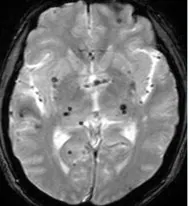
A retrospective study conducted at the Neurovascular Intensive Care Unit of SaintBrieuc Hospital in Cameroon has shed light on the risk factors for cerebral hemorrhage after thrombolysis in ischemic stroke patients. The study, which involved 123 patients, aimed to identify predictors of hemorrhagic transformation after intravenous thrombolysis, including brain MRI parameters. The research was conducted from January 1, 2019, to May 31, 2021.
The study population had a mean age of 71.98 years, with a male-to-female ratio of 1.12. Hemorrhagic transformation occurred in 27 patients, representing 22% of the study population, with 7.31% experiencing severe hemorrhage. These findings highlight the significant risk of hemorrhagic complications associated with thrombolysis in ischemic stroke patients.
The study used binary logistic regression analysis to identify risk factors for hemorrhagic transformation. In multivariate analysis, three factors were independently associated with hemorrhagic transformation: presence of microbleeds, performance of thrombectomy, and history of stroke or transient ischemic attack. These factors can be identified using brain MRI, emphasizing the importance of this imaging modality in assessing hemorrhagic risk.
The presence of microbleeds was found to be a significant risk factor for hemorrhagic transformation, with an odds ratio of 1.48. This finding is consistent with previous studies that have shown that microbleeds are associated with an increased risk of hemorrhagic complications after thrombolysis. The study also found that performance of thrombectomy and history of stroke or transient ischemic attack were associated with increased risk of hemorrhagic transformation.
The study's findings have important implications for clinical practice, highlighting the need for careful selection of patients for thrombolysis. The use of brain MRI parameters, such as microbleeds, can help identify patients at high risk of hemorrhagic complications. This information can be used to inform treatment decisions and improve patient outcomes.
The study's results are consistent with previous research in this area, which has shown that hemorrhagic transformation is a significant complication of thrombolysis in ischemic stroke patients. The study's findings emphasize the importance of careful patient selection and close monitoring for signs of hemorrhagic complications.
The study's authors conclude that the integration of brain MRI parameters into predictive scores could improve patient selection for thrombolysis. This could help reduce the risk of hemorrhagic complications and improve patient outcomes. Further research is needed to validate these findings and to develop more effective predictive scores for hemorrhagic transformation.
Key points
- The presence of microbleeds, performance of thrombectomy, and history of stroke or transient ischemic attack are independent risk factors for hemorrhagic transformation after thrombolysis in ischemic stroke patients.