An exceptionally strong El Nino event is expected to have far-reaching impacts on global weather patterns, food supplies, and energy demand. According to the World Meteorological Organization (WMO), El Nino is forecasted to intensify into a very strong event by the end of 2026. This event is expected to influence weather patterns beyond the Pacific, affecting agriculture, infrastructure, health, and energy. The interactions between the ocean and atmosphere can have significant effects on global climate patterns.
The El Nino event is characterized by the warming of sea surface temperatures in the central-east equatorial Pacific. This warming can have significant effects on global climate patterns. In July, a Nature news article reported that 14 models projected peak Pacific sea-surface temperature anomalies to be about 0.8 degrees Celsius above the previous record. However, the outcome is not a foregone conclusion, and climate scientists stress that preparations should be made for heavy rain, flooding, and drought in different parts of the world.
The effects of El Nino will occur over and above the effects of climate change. According to an expert roundtable summary released in September by Britain's Government Office for Science, the average global surface temperature has risen by approximately 0.25 degrees Celsius since the last El Nino of a similar magnitude in 2015/2016. This could make 2027 the warmest year on record. The increased heat released from the Pacific could further raise global temperatures, with the oceans absorbing record heat in 2025.
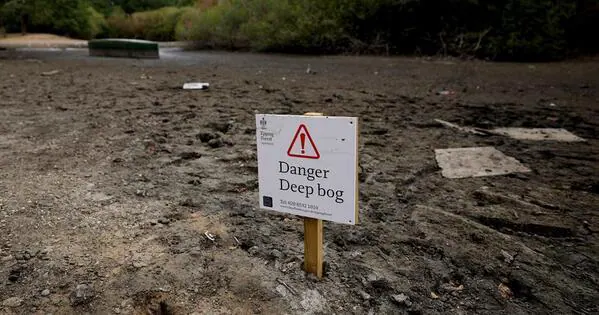
Britain is expected to experience wetter, windier, and generally milder conditions in late autumn and early winter. However, the Met Office emphasizes that it cannot determine individual weather events. A stronger El Nino does not automatically mean stronger impacts in Britain, and rainfall location is also crucial. Amulya Chevuturi, a senior hydroclimate scientist at the UK Center for Ecology and Hydrology, notes that rain concentrated in Britain's northwest could leave drought conditions persisting in the southeast into 2027.
The consequences of El Nino will differ sharply around the globe. An October 1 WMO report on the southwestern Indian Ocean outlook identified increased drought risks in southern areas, including South Africa and parts of Mozambique. In contrast, areas including Tanzania and the Seychelles are expected to experience greater flood risks. The report called for preparation for multiple hazards affecting agriculture, water supplies, health, and fisheries.
The human exposure to El Nino is substantial, with over 347 million children expected to experience unusually wet or dry conditions between October and December 2026. The United Nations Children's Fund (UNICEF) stressed that these figures estimate exposure, rather than actual impacts. UNICEF Executive Director Catherine Russell warned of displacement, malnutrition, water shortages, disease, and school closures, calling for early investment and protection of essential services.
With forecasts offering months of warning, early action can be taken to mitigate the impacts of El Nino. Climate scientists and experts stress that preparations should be made for heavy rain, flooding, and drought in different parts of the world. The effects of El Nino will have significant impacts on global food supplies, energy demand, and economies, making it essential to take proactive measures to address these challenges.
Key points
- Over 347 million children are expected to experience unusually wet or dry conditions due to El Nino.
- El Nino event is forecasted to intensify into a very strong event by the end of 2026.
- The effects of El Nino will occur over and above the effects of climate change.