The legal profession in Sierra Leone has long been regarded as one of the country's most respected professions, with lawyers entrusted with protecting rights, advising clients, and supporting the administration of justice. The Sierra Leone Law School, established on 23 February 1990, is the primary institution for legal education, and its pioneering class consisted of 26 students from the 1987, 1988, and 1989 graduating classes of the Faculty of Law, Fourah Bay College. As the country continues to develop its legal education system, there is a growing need to ensure that students receive the necessary academic learning, practical experience, and professional mentorship.
In recent years, legal education in Sierra Leone has expanded beyond the traditional role of the Law Faculty at Fourah Bay College, with more universities, including Njala University, IMATT College, and the University of Makeni, introducing law courses. This expansion has created greater opportunities for students to pursue legal education within and outside the country. However, it has also resulted in an increasing number of law graduates seeking professional legal training at the Sierra Leone Law School, raising important questions about the existing capacity of the Law School and its teaching methods.
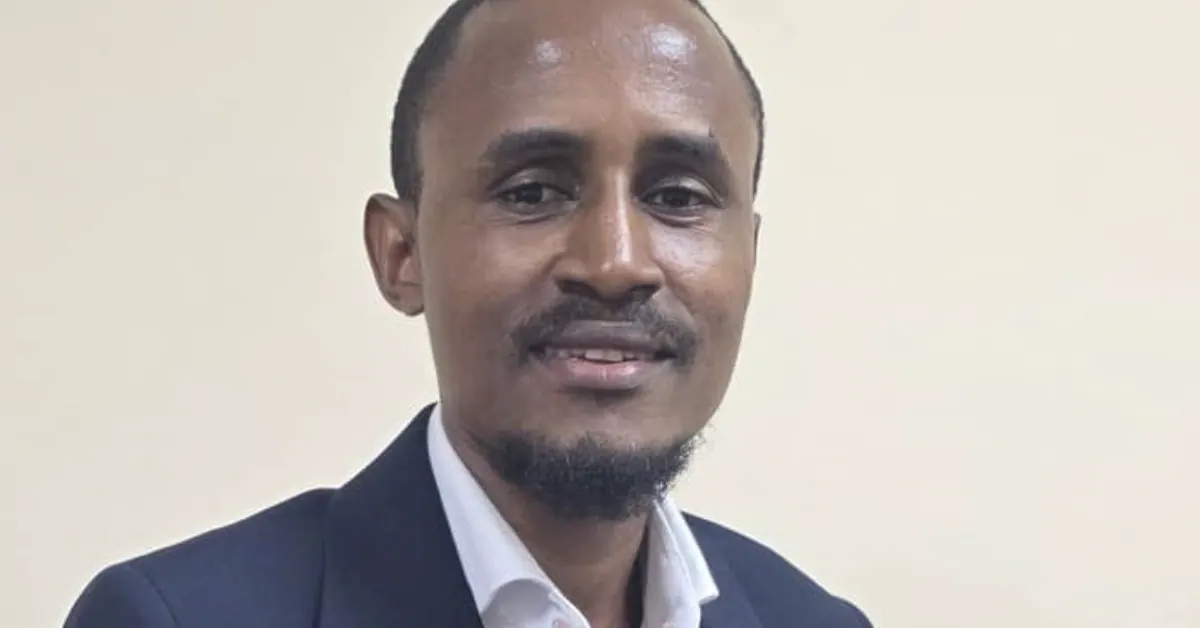
Mohamed Muctarr Sow, a lawyer and postgraduate student, has reflected on his experiences in both traditional and modern learning environments. He believes that while technological advancements offer students new ways to access information and improve their learning, they must be accompanied by responsible use and human guidance. Sow's experience in the classroom, where he learned from experienced jurists and practitioners, including Justice Eku Roberts and Justice Glena Thompson, has shown him the value of practical experience in legal education.
The importance of practical experience in legal education cannot be overstated. Universities need lecturers who can conduct research, teach legal principles, and contribute to intellectual debate, but academic qualifications should not automatically be regarded as sufficient preparation for teaching every aspect of law. A lawyer who has spent years appearing before courts, advising clients, and dealing with procedural difficulties brings a form of knowledge that can enrich classroom learning.
Sow's experience at the Sierra Leone Law School, where he was part of a class of approximately 40 students, excluding foreign students, highlights the changes in the learning environment over the years. Today's students have access to technological tools, wider learning resources, and opportunities that were not available to previous generations. However, the value of learning from experienced jurists and practitioners remains a crucial aspect of legal education.
The Sierra Leone Law School has a critical role to play in shaping the future of legal education in the country. As the demand for professional legal training continues to grow, the Law School must ensure that its teaching methods, practical training arrangements, and professional standards are equipped to respond to the needs of the growing number of students entering the legal profession.
Ultimately, strengthening legal education in Sierra Leone will require a thoughtful approach that balances academic learning with practical experience and professional mentorship. By embracing useful technology, ensuring responsible use, and providing students with the necessary guidance and training, Sierra Leone can equip its future lawyers with the knowledge, skills, and values needed to shape their professional lives and support the administration of justice.
Key points
- The Sierra Leone Law School must ensure that its teaching methods, practical training arrangements, and professional standards are equipped to respond to the growing demand for professional legal training.