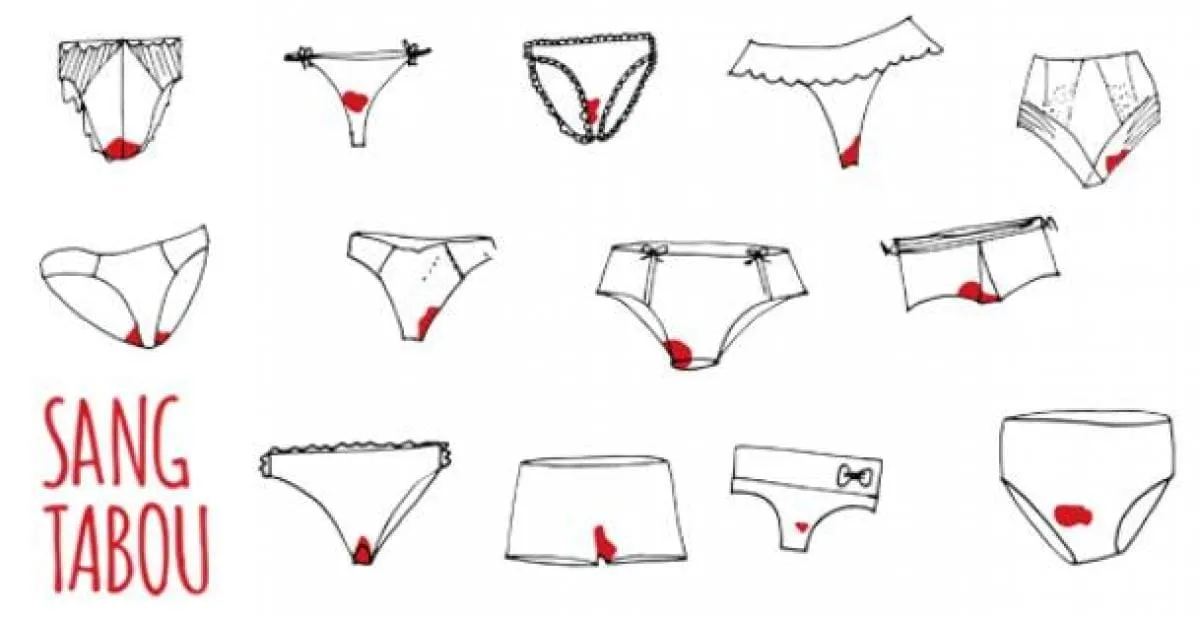
Menstruation is a natural biological phenomenon that occurs monthly in girls and women. However, in Benin and many African societies, sociocultural norms continue to interfere with this natural process. Local practices and traditions often stigmatize menstruation, making it a taboo subject. Women are frequently prohibited from engaging in certain activities, such as cooking, entering specific rooms, or touching certain plants, during their menstrual periods.
In Beninese society, some women believe that menstrual blood has the power to both destroy and protect. Dame Agonhouanton, a mother of two, shares that women are not allowed to cook for their husbands or share the same bed while menstruating. These restrictions are rooted in deep-seated cultural and social norms that view menstruation as impure or "dirty." These perceptions contribute to the marginalization and silence surrounding menstruation.
Certain religions, including Christianity and Vodun, also perpetuate these norms. According to Suprême Évangéliste AIKPON Antoine, the Bible states that women during menstruation should not approach the house of God until the end of their period. Similarly, in Vodun, menstrual blood is often viewed as "impure," reinforcing negative stereotypes. These perspectives further entrench the stigma associated with menstruation.
The consequences of these sociocultural norms are far-reaching. The World Health Organization (WHO) reports that these norms lead to social exclusion, school dropout, absenteeism, and early marriage. Young girls are often forced into marriage or sexual activity once they begin menstruating, increasing their vulnerability. The WHO emphasizes the need to address these issues through education and awareness.
The WHO recommends integrating comprehensive menstrual health education into school curricula, targeting both girls and boys. This approach aims to dispel myths and misconceptions surrounding menstruation from a young age. Additionally, involving fathers, teachers, and opinion leaders can help break the silence and challenge social representations.
Improving access to safe and hygienic facilities is also crucial. The WHO suggests establishing non-mixed, secure toilets with water, soap, and trash cans, enabling girls to manage their menstruation with dignity. By addressing these basic needs, girls can continue their education without interruption or shame.
To effectively tackle these challenges, it is essential to engage multiple stakeholders, including community leaders, educators, and parents. By working together, they can promote a more nuanced understanding of menstruation, challenge existing norms, and create a supportive environment for women and girls in Benin.
Key points
- The WHO recommends education and awareness to address sociocultural norms surrounding menstruation.
- Improving access to safe and hygienic facilities can help girls manage menstruation with dignity.
- Engaging multiple stakeholders is crucial to challenging existing norms and promoting a supportive environment for women and girls.