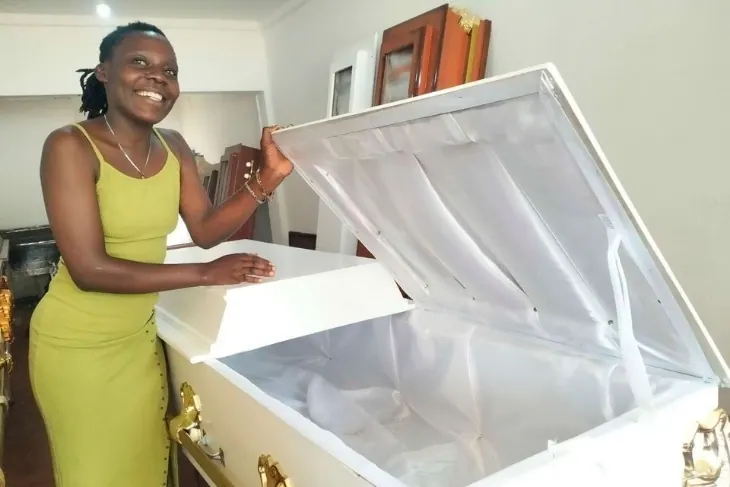
Margaret Santa Thoya, a 26-year-old mortuary cosmetologist, begins her day at the Malindi Hospital morgue, equipped with cosmetics and hairbrushes. Her job is to beautify deceased individuals, making them appear dignified for their families. For this service, she charges between 1,500 and 7,000 Kenyan shillings per client. Despite the decent income, Thoya faces significant challenges, not from the work itself, but from societal perceptions. Many people view her profession as taboo and associate it with bad luck or evil spirits.
Thoya's profession has affected her social life and marriage prospects. People often distance themselves from her, fearing she might bring misfortune. Her family initially opposed her career choice, requiring her to shower and change clothes outside the house after leaving the morgue. However, they later understood the legitimacy and profitability of her work. Thoya's experience is not unique; many mortuary cosmetologists in Kenya face similar challenges.
Samson Karisa, 35, another mortuary cosmetologist, provides services such as reconstructing damaged faces and covering injuries with wax and special materials. He charges between 1,000 and 5,000 shillings, depending on the complexity of the task. Despite the financial benefits, Karisa keeps his profession a secret from his family, fearing their reaction and societal stigma. He moved from Kilifi to Malindi to conceal his occupation.
Andrew Masama, chairman of the Lamu branch of the Kenya Psychological Counselling Association, attributes the stigma against mortuary cosmetologists to cultural beliefs and fear of death. In many African communities, death is associated with curses, leading people to fear those who work with the deceased. Masama emphasizes that mortuary cosmetologists are professionals who deserve respect for the service they provide to grieving families.
The Kenyan mortuary cosmetology sector is comprised of individuals like Thoya and Karisa, who, despite facing societal challenges, continue to provide essential services. Their work helps families bid farewell to their loved ones with dignity and peace. The profession requires a unique blend of skill, compassion, and resilience.
Efforts to change public perceptions and reduce stigma are essential to support mortuary cosmetologists. By understanding and respecting their profession, society can help these individuals integrate more fully and live without fear of exclusion. Education and awareness campaigns can play a crucial role in changing attitudes toward mortuary cosmetology.
Margaret and Karisa are determined to continue their work, providing a vital service to families in need. Their dedication and professionalism highlight the importance of their role in the community, despite the challenges they face. As the sector grows, it is hoped that societal attitudes will evolve, allowing mortuary cosmetologists to work without fear of prejudice.
Key points
- Mortuary cosmetologists in Kenya face significant societal stigma despite providing valuable services to grieving families.
- The stigma is largely due to cultural beliefs and fear of death, which associate mortuary work with curses or evil spirits.
- Education and awareness campaigns are necessary to change public perceptions and support mortuary cosmetologists.