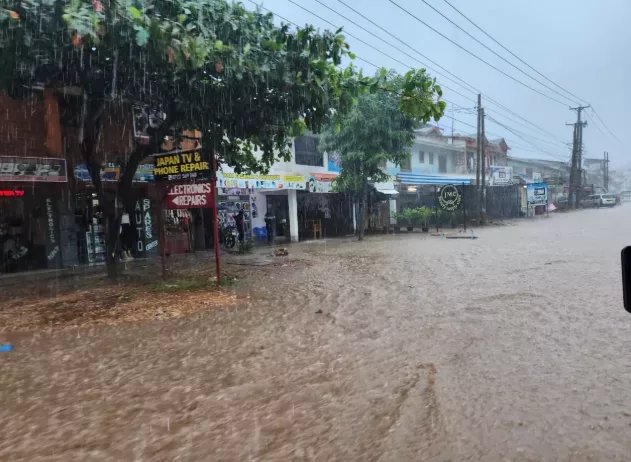
The Kenyan government has called on counties and farmers to take early action to prepare for the impending El Niño phenomenon, which is expected to have significant impacts on the country's food, health, livestock, and economy. Environment and Climate Change PS Festus Ng'eno emphasized that the Kenya Meteorological Department's (KMD) forecast should guide multisectoral preparedness. He stated that El Niño is no longer a distant threat, but a reality that requires immediate attention.
According to Principal Meteorologist Jemimah Gacheru, there is a 75% chance that the El Niño phenomenon will reach historic levels as the country transitions into the October-December 2026 rainfall season. She identified counties such as Nandi, Kakamega, Vihiga, Bungoma, Siaya, and Busia as areas that will continue to receive rains. The government has drawn key lessons from the 2022 drought and the devastating floods of 2023 and 2024, emphasizing the need for early action to mitigate the impacts of El Niño.
The government has modernized its forecasting systems, issuing impact-based forecasts that detail not only the weather but also its potential impacts. PS Ng'eno stressed that late action is expensive, while early action saves lives and resources. He urged counties and farmers to take proactive measures to safeguard lives, livelihoods, and the national economy.
Livestock official John Maina noted that while the upcoming rains will improve forage, they could also disrupt transport networks and trigger livestock diseases. He emphasized the need for stakeholders to be aware of the potential risks and take necessary precautions. National Disaster Operations Centre data officer Jesse Ithai reported that coordination meetings involving government agencies, humanitarian organizations, UN agencies, and counties are underway to strengthen preparedness.
Agriculture official Ruth Njeri urged farmers to prepare land, diversify crops, and use quality, climate-resilient planting materials. She warned of potential floods, post-harvest losses, pests, and diseases, emphasizing the need for farmers to be proactive in their preparations. The government's call for early action aims to reduce the risks associated with El Niño and promote resilience in the face of climate-related shocks.
The El Niño phenomenon is expected to have far-reaching impacts on Kenya's economy, particularly in the agriculture and livestock sectors. The government's multisectoral approach aims to mitigate these impacts and promote sustainable development. By working together, stakeholders can reduce the risks associated with El Niño and promote resilience in the face of climate-related shocks.
The Kenya Meteorological Department's forecast has triggered a response from various stakeholders, including government agencies, humanitarian organizations, and farmers. The government's call for early action has been echoed by various stakeholders, who recognize the need for proactive measures to mitigate the impacts of El Niño. KEY POINTS:
Key points
- The Kenyan government has urged counties and farmers to prepare for El Niño risks, citing a 75% chance of the phenomenon reaching historic levels.
- The government has modernized its forecasting systems, issuing impact-based forecasts that detail not only the weather but also its potential impacts.
- Stakeholders are working together to strengthen preparedness and mitigate the impacts of El Niño on Kenya's economy, particularly in the agriculture and livestock sectors.