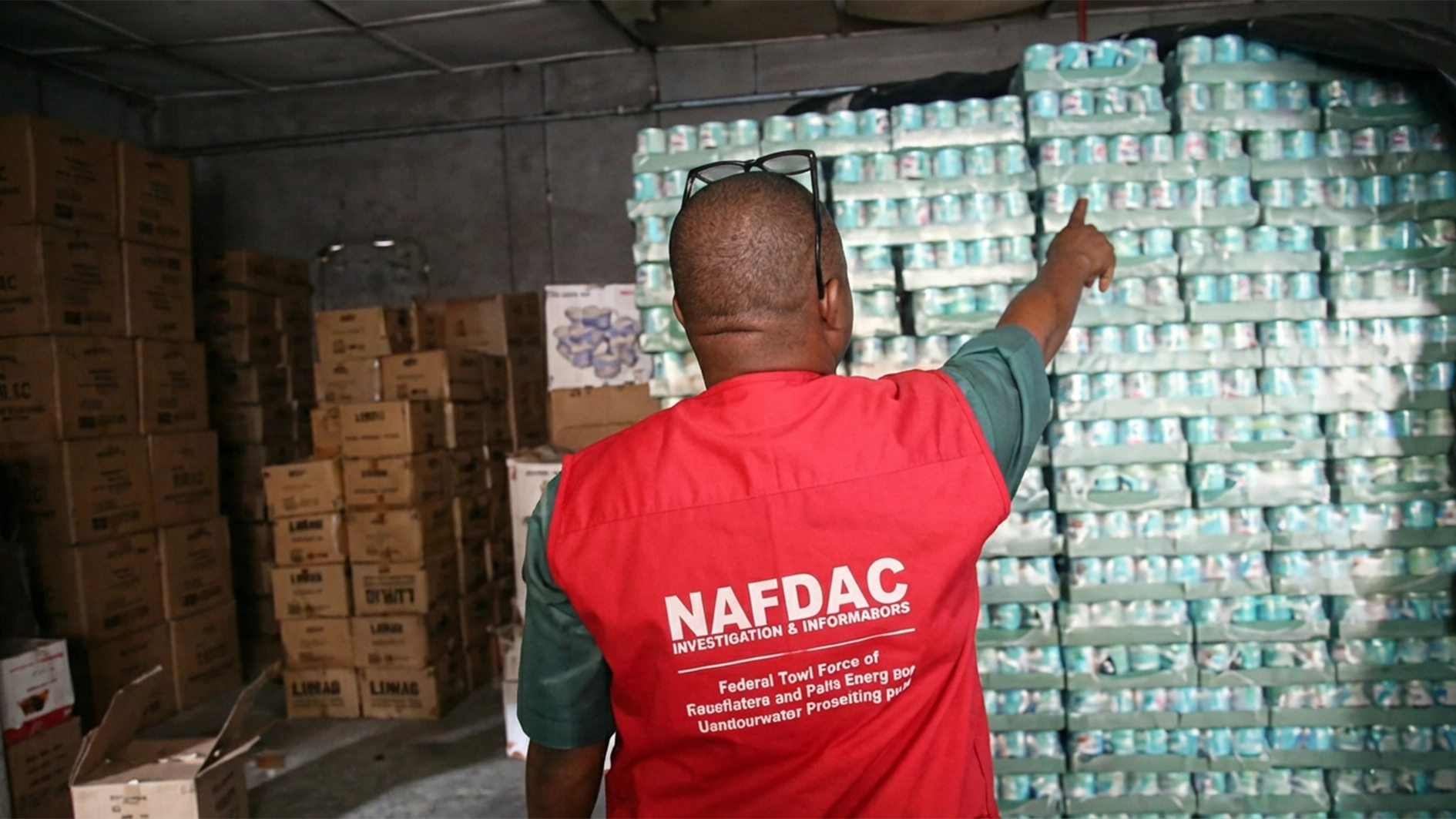
Stakeholders in Nigeria's pharmaceutical and consumer protection sectors have identified weak border surveillance, illicit supply chains, and weak enforcement as key challenges in curbing the circulation of fake and substandard drugs. They suggest stronger border controls, tighter regulation of the drug supply chain, and increased consumer education as potential solutions. These concerns were raised during a national TV programme over the weekend.
The Chairman of the Pharmaceutical Wholesalers and Distributors Association of Nigeria (PWDAN), Ogheneochuko Omaruaye, emphasized the need for the government to implement the National Drug Distribution Guideline approved in 2012. This guideline aims to establish a defined route for the movement of medicines and healthcare products from manufacturers to pharmacies and hospitals. Its implementation would help distinguish between legitimate and parallel supply chains.
Implementing the National Drug Distribution Guideline would enable the government to track and regulate the movement of medicines, reducing the risk of counterfeit products entering the market. Omaruaye noted that this would be a crucial step in preventing fake drugs from entering the country. The guideline has been in place since 2012, but its full implementation has been pending.
Nigeria's efforts to strengthen local pharmaceutical manufacturing face a significant challenge in vaccine production. The country has yet to develop the capacity needed to complete regulatory requirements for vaccine lot release. This gap affects Nigeria's ambition to attain World Health Organisation (WHO) Maturity Level 4 for vaccine regulation, the highest level in the WHO Global Benchmarking Tool.
The National Agency for Food and Drug Administration and Control (NAFDAC) has met eight of the nine functions and requirements for medicines and vaccines, but vaccine lot release remains outstanding. To address this, there is a greater emphasis on establishing fill-and-finish modular vaccine manufacturing facilities in Nigeria. This requires stronger investment and support for local pharmaceutical production.
NAFDAC Director General, Prof. Mojisola Adeyeye, has called on international partners to contribute to establishing vaccine manufacturing facilities in Nigeria. She acknowledged the support of international partners in NAFDAC's regulatory development and appealed for their continued contribution to vaccine manufacturing. Adeyeye noted that the estimated cost of meeting the requirements would not be prohibitive.
Adeyeye recalled that NAFDAC used to manufacture vaccines and stressed that it was time for Nigeria to return to vaccine manufacturing. The agency plans to share the details of the estimated cost with relevant partners. Key to addressing the issue is collaboration between stakeholders, including government agencies, pharmaceutical manufacturers, and international partners, to ensure the production and distribution of safe and effective medicines.
Key points
- Stakeholders call for stronger border controls to curb the circulation of fake and substandard drugs in Nigeria.
- Implementation of the National Drug Distribution Guideline is crucial in preventing fake drugs from entering the country.
- Nigeria's ambition to attain WHO Maturity Level 4 for vaccine regulation is hindered by the country's inability to complete regulatory requirements for vaccine lot release.