Stakeholders in Nigeria are advocating for greater legal protection for survivors of rape and incest, emphasizing the need for women who become pregnant through sexual violence to have access to safe abortion. This call was made during a programme organized by the National Human Rights Commission (NHRC) and the Women Advocates Research and Documentation Centre (WARDC) on maternal health, healthcare access, and legislative action. The programme aimed to address the "Unfinished Lives" portrait activation, marking International Safe Abortion Day.
The stakeholders argue that the current law should recognize the realities of rape, incest, severe foetal abnormalities, and the mental health of women. They contend that forcing rape survivors to continue pregnancies resulting from assaults amounts to "double victimisation". The programme was held in collaboration with UNFINISHED, a Nigerian advocacy campaign pushing for the completion of the country's existing legal framework on abortion care. The campaign seeks an expansion of the existing legal grounds for abortion, rather than decriminalization.
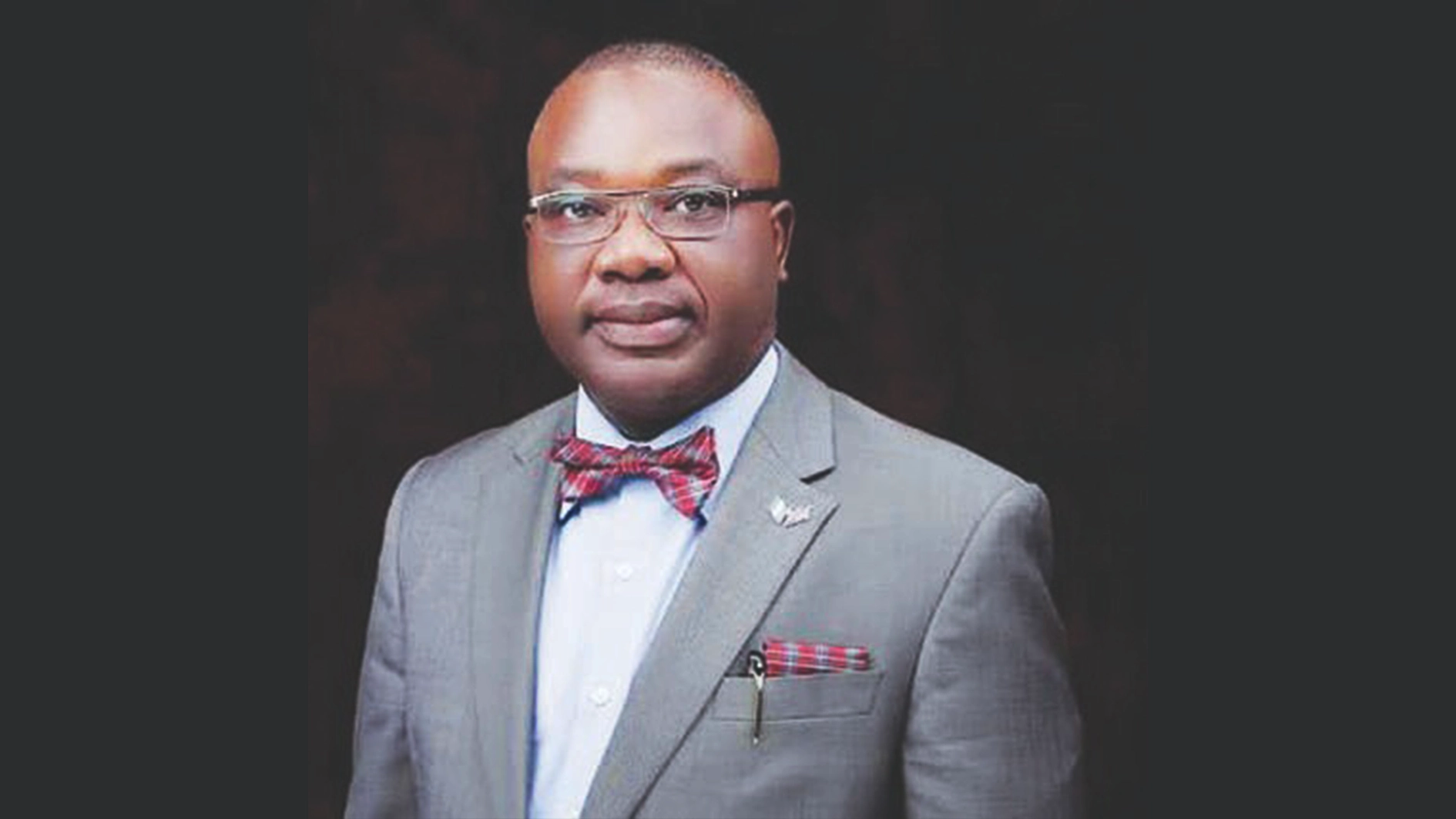
Dr. Tony Ojukwu, Executive Secretary of NHRC, stated that unsafe abortion remains a leading preventable cause of maternal mortality in Nigeria, noting that the current legal framework leaves many women without access to safe, lawful care. He advocated for a tightly bounded, medically justified expansion of the grounds for termination of pregnancy, particularly to cover rape, incest, severe foetal abnormalities, and the mental health of the woman. Ojukwu emphasized that this is not about abortion on demand but about saving lives.
Senator Ipalibo Harry Banigo, Chairman of the Senate Committee on Health, stressed the need to remove barriers to healthcare access. She said the legislature remains committed to strengthening the legal framework, expanding social health insurance, and improving accountability in secondary and tertiary healthcare. Banigo stated that true success will be achieved when no Nigerian woman risks her life to give life.
Senator Natasha Akpoti-Uduaghan, representing Kogi Central, called for a broader national conversation on abortion and maternal healthcare. She emphasized that legal reform must go hand in hand with functioning hospitals, qualified doctors, affordable care, and support for women who choose either to terminate a pregnancy or carry it to term. Akpoti-Uduaghan questioned whether Nigeria's hospitals, healthcare workers, medicines, and emergency-care infrastructure are adequately equipped to provide safe services, particularly in rural communities.
Emanuella Azu, Regional Director of WARDC, called for reform of Nigeria's abortion laws, arguing that the restrictive framework leaves women and girls vulnerable to unsafe abortion. Azu stated that existing laws permit abortion only in limited circumstances and urged policymakers to review the framework to widen access to safe abortion services and better protect women's health and rights. She specifically called for greater legal protection for survivors of rape and incest.
The stakeholders' push for legal reforms aims to address the high rate of maternal mortality in Nigeria, with a focus on protecting survivors of rape and incest. The "Unfinished Lives" campaign seeks to connect the experiences represented in its portraits with what the organization considers unfinished legal reform. The call for reform emphasizes the need for policymakers to introduce laws and policies that protect women's lives and expand access to safe abortion services.
Key points
- Stakeholders in Nigeria are advocating for legal reforms to protect survivors of rape and incest.
- The proposed reforms aim to expand access to safe abortion services and better protect women's health and rights.
- The current legal framework leaves many women without access to safe, lawful care, contributing to high maternal mortality rates.