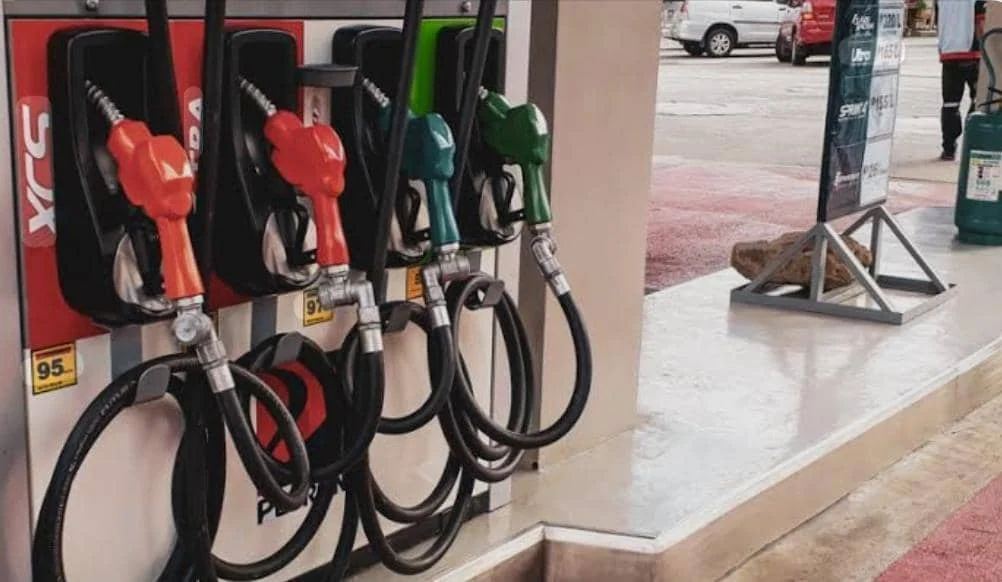
The introduction of self-service fuel dispensing in Nigeria has sparked concerns among stakeholders about the potential job losses for petrol attendants. This development is a result of some fuel stations, such as Sunbeth Energies, deploying the system in Lagos and the Federal Capital Territory (FCT).
A Public Analyst, Mr Jide Ojo, noted that self-service dispensing could address complaints of customers receiving less fuel than they paid for. However, he also expressed concerns about the potential downside, including job losses for fuel attendants. Some large filling stations employ as many as 30 fuel attendants, many of whose duties could become unnecessary if motorists routinely dispense fuel themselves.
An economist, Dr Aliyu Ilias, stated that self-service fuel dispensing has been used in Europe and other parts of the world for decades. He noted that Nigeria's growing use of electronic payments could make the system easier to implement but questioned whether the country was psychologically and institutionally prepared for the transition.
Dr Ilias emphasized that employment remained a major concern as automation expands across different sectors. He said that although self-service could be economical for fuel companies, it would likely reduce the number of employees required at filling stations. This shift could have significant implications for the country's workforce.
A labour leader, Owei Lakemfa, noted that Nigeria's relatively recent adoption of self-service fuel dispensing was a sign of how slowly some technologies have been introduced into the country. He identified several potential benefits, including reduced waiting times and fewer opportunities for manipulation of fuel pumps.
Lakemfa also highlighted the employment implications of widespread adoption of self-service fuel stations. He emphasized that Nigeria would need to prepare for the social consequences of technological change by developing measures capable of supporting workers displaced by automation. This would require a broader discussion about how Nigeria can adopt technologies while ensuring that workers affected by automation are not left without alternatives.
As self-service dispensing gradually gains a foothold in the Nigerian downstream petroleum sector, its long-term impact will depend on how businesses, regulators, and policymakers manage the transition for workers and consumers. The stakeholders' concerns underscore the need for a balanced approach to implementing this technology, one that considers both the benefits and the potential drawbacks for the workforce and the economy as a whole.
Key points
- Self-service fuel stations may lead to job losses for petrol attendants.
- The technology could address complaints of customers receiving less fuel than they paid for.
- Nigeria's adoption of self-service fuel stations raises broader questions about managing the transition for workers and consumers.