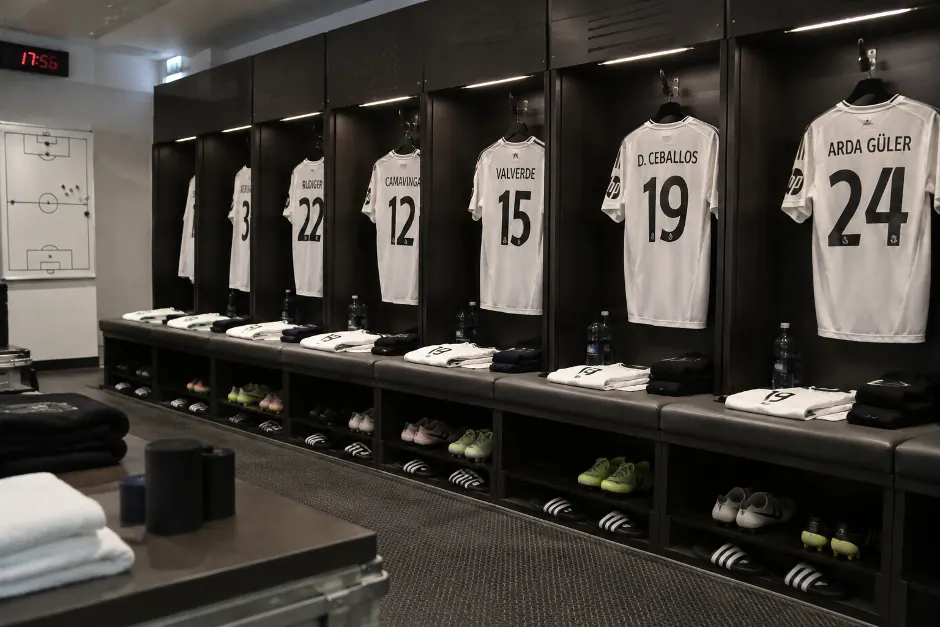
Sportswear manufacturers have long recognized the value of partnering with professional teams to test and promote their products. These partnerships offer numerous benefits, including athlete testing and endorsements, licensed merchandise, international promotion, distribution, and endorsement of a sports brand. By partnering with professional teams, sportswear companies can gain valuable feedback from athletes wearing their products in training and competition, which helps to improve product design and performance.
Professional teams put sportswear products under intense pressure, testing their durability and performance in various conditions. Laboratory testing cannot replicate every condition encountered during a season, and match kits and footwear must cope with sweat, contact, travel, repeated washing, and rapid movement. Athletes can report problems with fit or comfort, providing manufacturers with crucial feedback to improve their products. For example, PUMA's new Women's Fit 2.0 football boots were developed with input from female players and feature narrower forefeet and lower insteps than unisex lasts.
Team deals open several sales channels for sportswear manufacturers, including replica shirts, training clothing, casual ranges, and other merchandise distributed through club stores, manufacturer websites, and retail partners. Digital platforms also play a significant role in football's commercial ecosystem, with mobile interfaces providing live score and odds updates for sports betting, live events, and access to previous bets. Sportswear brands use their team agreements differently, extending a shirt seen during a match into products sold throughout the season.
Club history and identity also play a significant role in shaping new products. Football shirts have an identity that is already established, and older designs, crests, and colors can be used by manufacturers. Recent designs include Manchester City's home shirt for 2025/26, which featured the club's sash on a home shirt for the first time, and the away shirt design, which referenced the earliest known shirt of City, dating back to 1884.
National teams also partner with sportswear manufacturers, providing a platform for international exposure. In November 2025, the Qatar Football Association signed a deal with adidas, renewing a previous agreement that existed from 2003 to 2008. The deal requires adidas to provide kits for all QFA teams across all levels, including training and competition wear. The away kit features lightweight and quick-drying material, as well as adidas Climacool technology.
Team agreements vary in scope, with some focusing on technical supply, while others include extensive retail, lifestyle clothing, or digital projects. Partnerships between sportswear manufacturers and professional teams can produce new sales records, as seen in the partnership between Manchester City and PUMA. The partnership has produced new club sales records, with STICHD, PUMA's retail subsidiary, operating City's online store and supporting physical club stores in several markets.
Elite competition tests technical claims, and performance clothing has little room for vague promises when professional athletes use it publicly. Materials must work through high-intensity movement and changing match conditions, and authentic and replica shirts do not have to be technically identical. The first is built around match use, while the second can retain the team's design in a product intended for a wider market.
Key points
- Sportswear manufacturers partner with professional teams to test products, promote brands, and drive sales through various channels.
- Partnerships between sportswear manufacturers and professional teams can produce new sales records.
- Team agreements vary in scope, with some focusing on technical supply, while others include extensive retail, lifestyle clothing, or digital projects.