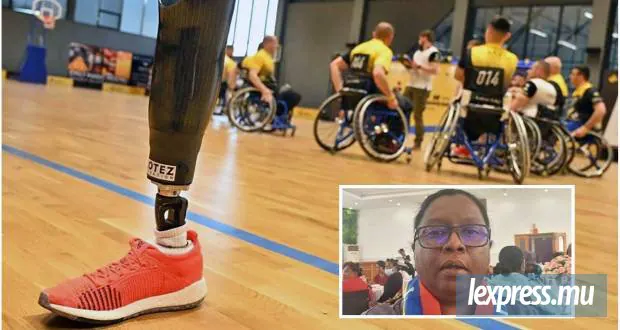
In a recent event in La Réunion, individuals with disabilities experienced the joy of surfing during the 3rd edition of the handisurf day. This initiative highlights the importance of making sports accessible to everyone, regardless of their abilities. At Maurice, although several adapted sports exist, they are underdeveloped and often unknown to the public. Athletes, educators, and disability rights advocates are now pushing for a more inclusive sports culture.
Véronique Marisson, a specialized educator and former Mauritian Paralympic medalist, emphasizes that people with disabilities can participate in various sports. She notes that several disciplines are already available in Mauritius, including boccia, pétanque, swimming, table tennis, athletics, basketball, and tennis in wheelchairs. However, the availability of these sports is limited by the lack of infrastructure and regular competitions.
According to Véronique Marisson, public investments in sports mainly focus on para-athletics, particularly wheelchair racing. While this has led to several international medals, it overshadows the challenges faced by other adapted sports. Marisson suggests that even in athletics, there are more events beyond wheelchair racing, such as throwing and jumping events.
The boccia, a Paralympic sport similar to pétanque, is an example of an underdeveloped discipline in Mauritius. Although it was launched in 2011 with promising tournaments, national competitions have become scarce since 2019. Marisson believes that with more support, Mauritius could aim for a more diverse representation at the 2028 Los Angeles Paralympics.
Ashvin Gudday, vice-president of the Association for the Protection of Disabled Rights (APDH), stresses that the issue of accessibility to sports affects not only people with disabilities but also parts of the general population in Mauritius. He advocates for a collaborative approach between authorities, sports federations, and disability associations to address the challenges faced by people with disabilities.
The APDH and other advocates push for a more inclusive sports culture that prioritizes well-being, leisure, and equal opportunities. They emphasize that sports should not be limited to high-performance athletes but should be accessible to everyone, regardless of their abilities. This requires adapting infrastructure, providing specialized equipment, and training personnel.
As the conversation around inclusive sports continues, stakeholders hope to see a change in the way sports are approached in Mauritius. With increased awareness and support, people with disabilities can enjoy equal opportunities to participate in sports, promoting a culture of inclusion and diversity.
Key points
- People with disabilities in Mauritius face limited access to sports due to lack of infrastructure and awareness.
- Several adapted sports exist in Mauritius, but they are underdeveloped and often unknown to the public.
- Advocates push for a more inclusive sports culture that prioritizes well-being, leisure, and equal opportunities for people with disabilities.