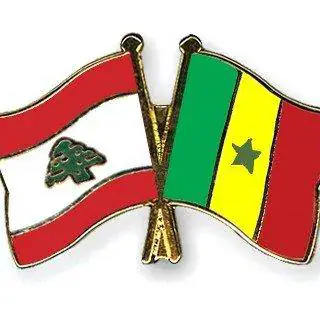
The sport has been a unifying factor in Senegal, fostering integration and unity among its people. The country's vibrant sports culture has helped bridge the gap between the autochthonous population and the Lebanese community, who have been living in Senegal for over a century. The Lebanese community, estimated to be between 25,000 to 30,000 people, has made significant contributions to Senegal's sports scene, particularly in football.
The history of Lebanese migration to Senegal dates back to the late 19th century, with many settling in Dakar. They established themselves in commerce, occupying a position as intermediaries between European trading houses and local producers. According to Néif Wehbe, an economic operator of Lebanese origin based in Dakar, the community's integration was facilitated by their involvement in commerce, as well as their adoption of Senegalese culture, including the Wolof language.
Sports, particularly football, have played a crucial role in the integration of the Lebanese community into Senegalese society. Adnan Farhat, a talented footballer of Lebanese origin, made a name for himself in Senegal in the 1970s. He was not an isolated case, as other Lebanese-Senegalese footballers, such as Issam Akel and Abdallah Saheli, also made significant contributions to the country's sports scene.
Dr. Mamadou Koumé, a journalist-researcher and trainer, highlighted the significance of Adnan Farhat's achievements, stating that he was an exceptional player who left a lasting impact on the Senegalese national team. The involvement of Lebanese-Senegalese individuals in sports has helped to break down cultural and social barriers, fostering a sense of belonging and identity among the community.
The integration of the Lebanese community into Senegalese society is a testament to the power of sports to bring people together. According to Néif Wehbe, sports offer a common space where people can learn to know, respect, and work together, regardless of their origins or social backgrounds. This sentiment is echoed by Adnan Farhat, who believes that sports have the ability to transcend cultural and social divides.
The Lebanese community's contributions to Senegalese sports extend beyond football. They have also made significant contributions to other sports, including mechanics, judo, and pétanque. The community's involvement in sports has helped to promote a sense of national identity and unity, as well as foster greater understanding and acceptance between different ethnic and cultural groups.
As the world grapples with issues of xenophobia and nationalism, the story of Senegal's Lebanese community serves as a powerful reminder of the unifying potential of sports. The community's integration into Senegalese society is a testament to the country's reputation as a haven of tolerance and acceptance, where people from different backgrounds can come together and build a new life.
Key points
- The Lebanese community in Senegal has made significant contributions to the country's sports scene, particularly in football.
- Sports have played a crucial role in the integration of the Lebanese community into Senegalese society.
- The community's involvement in sports has helped to promote a sense of national identity and unity in Senegal.