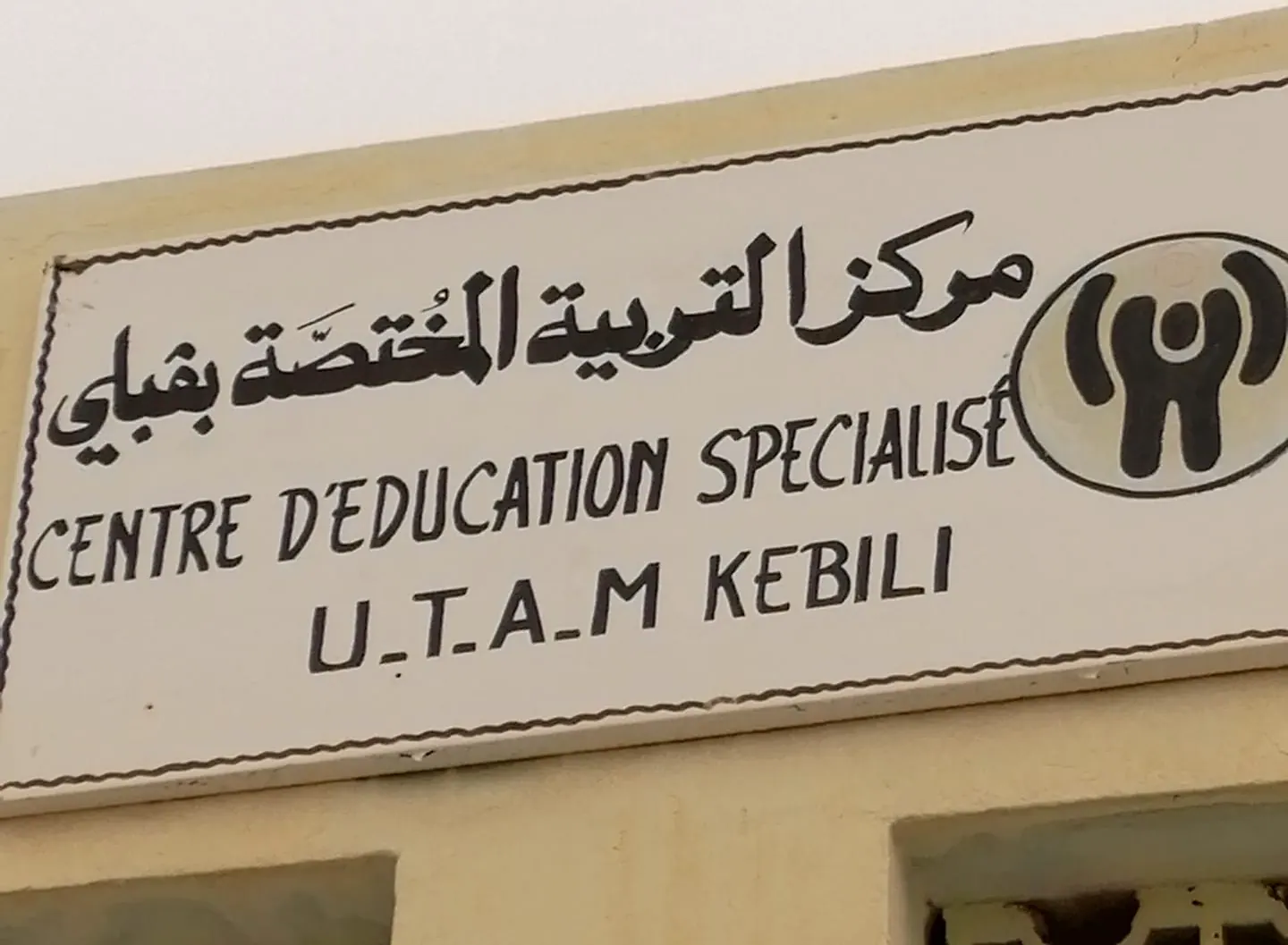
The Specialized Education Center in Qibili, operated by the Tunisian Union for Assistance to People with Intellectual Disabilities, is facing a transportation crisis that hinders the regular attendance of its students. The center, established in 1987, is set to receive 47 children this year. However, the lack of a reliable transportation system has been a persistent challenge, according to its director, Boubaker Chelbi. This issue has been ongoing for nearly 17 years due to frequent breakdowns of the center's buses and the inability to afford repairs.
The center's reliance on limited financial support makes it difficult to allocate funds for transportation. Chelbi emphasized that using available resources to repair a bus might compromise other essential services, such as providing school supplies, meals, and maintaining workshops. The center also needs to cover various expenses, including electricity, water, and gas bills. This financial strain affects the overall quality of services provided to children with special needs.
The Specialized Education Center in Qibili plays a vital role in supporting children with intellectual disabilities. The center's programs aim to integrate these children into their community, providing them with necessary care and support. However, the transportation issue hampers the center's ability to deliver its services effectively. Chelbi stressed that addressing this challenge is crucial to ensuring the children's regular attendance and benefiting from the center's programs.
The transportation crisis at the Qibili center highlights the broader challenges faced by specialized education institutions in Tunisia. Many of these centers struggle with limited resources, affecting their ability to provide comprehensive services to children with special needs. The situation at the Qibili center underscores the need for increased support and investment in these institutions.
Chelbi appealed to regional and central authorities, as well as civil society components, to enhance financial support for specialized education centers. He emphasized that adequate funding would enable these centers to provide quality services, ensure the well-being of children with special needs, and facilitate their integration into society. The center's sustainability and effectiveness depend on addressing these pressing challenges.
The Qibili center's experience is not an isolated incident, as many specialized education institutions in Tunisia face similar challenges. The lack of reliable transportation systems is a significant obstacle to providing inclusive education. Efforts to address this issue could have a positive impact on the lives of children with special needs and their families.
The Tunisian Union for Assistance to People with Intellectual Disabilities operates several centers across the country, providing vital services to children and adults with intellectual disabilities. The organization's efforts to promote inclusive education and community integration are crucial in addressing the needs of this vulnerable population. Collaboration between government agencies, civil society, and the private sector is essential in supporting these initiatives.
Key points
- The Specialized Education Center in Qibili, Tunisia, faces a transportation crisis due to the lack of a reliable bus system, affecting the regular attendance of its 47 students.