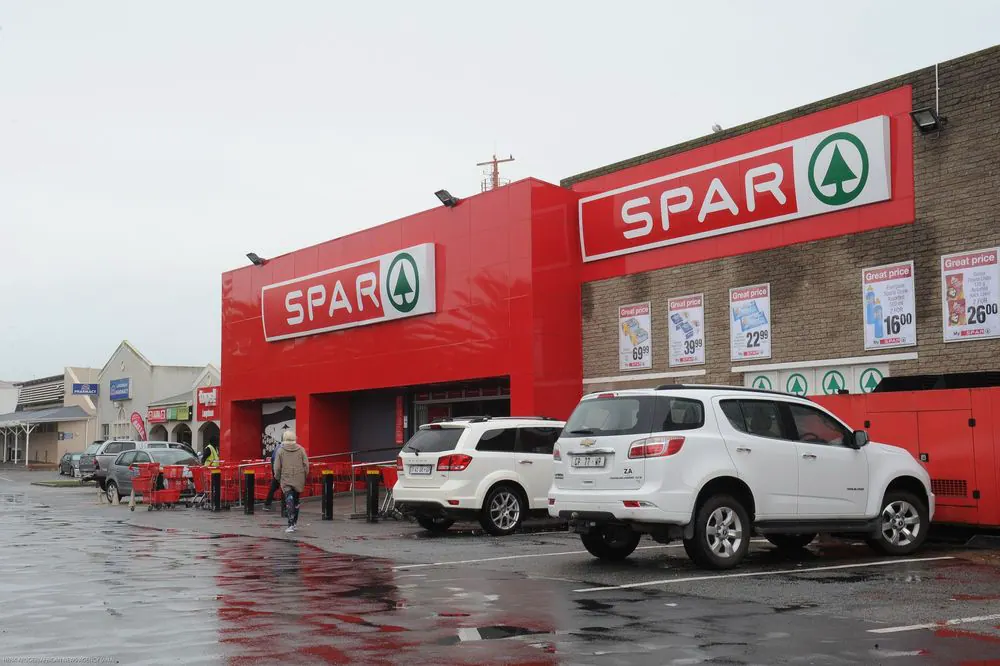
South African retail giant SPAR has announced that its turnaround efforts are making operational progress, but the company expects its 2026 financial performance to fall short of 2025 levels. This is due to ongoing pressure in its Southern African Groceries and Liquor business, where subdued trading and elevated credit losses continue to impact earnings. Despite efforts to improve margins through pricing and operational efficiencies, SPAR's financial performance is yet to see significant benefits.
The retailer is implementing various initiatives to improve its financial standing, including pricing adjustments, range and category optimisation, and tighter promotional discipline. Additionally, SPAR is focusing on improving distribution efficiency and the turnaround or disposal of underperforming stores. The company is also repositioning its SPAR2U service around its locally connected, personalised store network. A new SAP finance system has been implemented at its central office and four distribution centres.
However, SPAR's update highlights the ongoing pressure on retailers that form the backbone of its wholesale model. Expected credit losses, specific provisions, and write-offs remain elevated, primarily due to some independent retailers owing SPAR money for stock purchases. The company has had to set aside more money due to uncertainty over the recovery of these debts. SPAR says this pressure has continued, particularly in its Groceries and Liquor business.
Debt reduction, liquidity, and covenant management remain key priorities for SPAR. The company expects its group net debt to be lower than at the half-year stage, while its lenders remain supportive. SPAR is also undergoing a boardroom reset, with an independent search firm appointed to assist with the recruitment of a new chairperson and additional independent non-executive directors. The company aims to finalise and announce the appointments by early November.
The relationship between SPAR and its independent retailers appears to be improving. SPAR's wholesale executives and representatives of the SPAR Guild recently held working sessions in KwaZulu-Natal, focusing on issues such as pricing, merchandising, marketing, technology, and retailer profitability. The parties agreed on shared accountability and are continuing to work through formal governance structures.
Anchor Capital investment analyst Steph Erasmus has warned that SPAR's balance sheet leaves little room for further execution mistakes. Erasmus emphasised the importance of the relationship between SPAR and its independent store owners, describing it as fundamentally symbiotic. SPAR expects the financial benefits of its turnaround measures to build during the 2027 financial year, while acknowledging that the earnings and cash recovery will lag the implementation of the operational plan.
SPAR's full-year results are expected to be released on December 4. The company is working to improve its financial standing and address ongoing pressure in its Southern African business. Key priorities include debt reduction, liquidity management, and improving relationships with independent retailers. The company's ability to execute its turnaround plan and manage its debt and credit pressure will be crucial in determining its future financial performance.
Key points
- SPAR expects 2026 financial performance to fall short of 2025 levels due to debt and credit pressure
- Company implementing initiatives to improve margins and operational efficiencies
- Ongoing pressure on retailers in SPAR's wholesale model impacts earnings