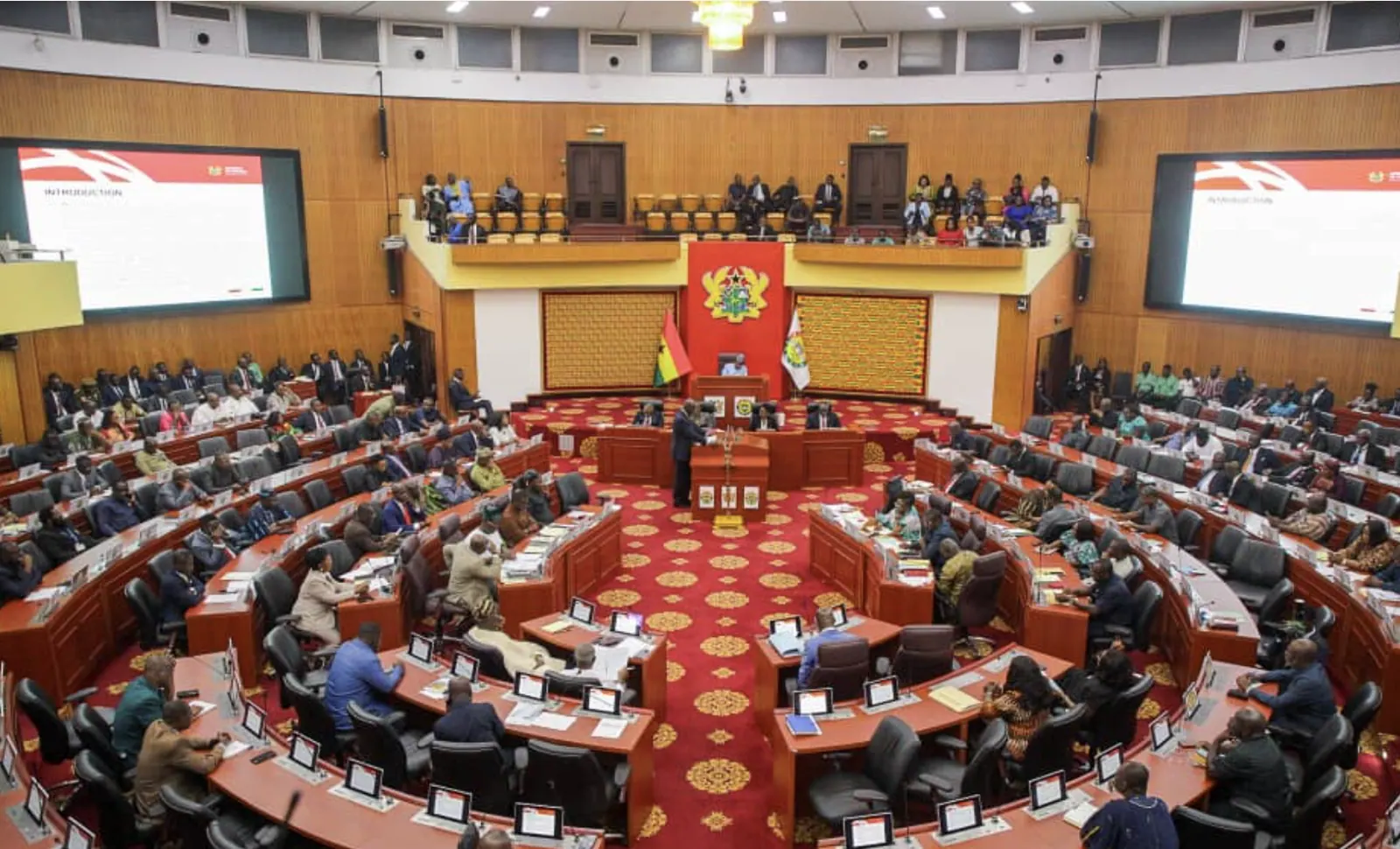
The institution of parliamentary privilege, originating from the Westminster tradition, aims to safeguard the independence of the legislature. However, in Ghana, this privilege is limited and does not render Members of Parliament above the law. According to Article 117 of the 1992 Constitution, MPs are protected from civil or criminal processes while attending parliamentary proceedings, but this protection is restricted to specific times and locations. This provision has sparked debate about the scope of parliamentary immunity, particularly in cases like that of Hon. Francis Xavier Sosu in 2021.
Article 117 of the 1992 Constitution provides that no civil or criminal process can be served on or executed against an MP while they are on their way to, attending at, or returning from parliamentary proceedings. This provision has three key elements: limited scope, temporal conditions, and beneficiaries. The immunity only applies to the service and execution of civil or criminal processes, not to criminal liability itself. Additionally, the temporal condition restricts immunity to specific times and locations, and the beneficiaries include the Speaker, MPs, and the Clerk to Parliament.
A parliamentary research document confirms that these freedoms and immunities are limited to specific points in time in relation to Parliament and the individual. For instance, an MP can only enjoy these rights when transacting the business of Parliament. Once an MP is outside the context of performing parliamentary functions, the immunity ceases to exist. This limited nature of parliamentary privilege is also reflected in the Government of Ghana's acceptance of the Constitutional Review Commission's recommendation to amend Article 117.
The evolution of parliamentary immunity provisions across Ghana's four republican constitutions reflects a transition from absolute privilege to limited protection. The 1960 Constitution did not grant immunity from arrest, while the 1969 Constitution introduced immunity from service of process and arrest. The 1979 Constitution provided a more refined definition of parliamentary immunity, and the 1992 Constitution essentially follows this framework in Article 117.
The case of Hon. Francis Xavier Sosu in 2021 highlights the contested boundaries of parliamentary immunity. An arrest warrant was issued against him for failing to appear in court, but his lawyer argued that he was attending to parliamentary business. This case sparked widespread public debate about the scope of parliamentary privilege and the need for clarity on the limits of immunity.
The study concludes that the immunity of Ghanaian MPs from arrest is procedural and situational, not substantive. An MP who commits a criminal offence outside Parliament and is not on their way to or from parliamentary proceedings is subject to the law like any ordinary citizen. The legality of an arrest depends on whether procedural requirements have been complied with, not on the parliamentary status of the person arrested.
The Government of Ghana's acceptance of the Constitutional Review Commission's recommendation to amend Article 117 reflects a collective rethinking of the over-expansion of parliamentary privilege. The proposed amendment aims to allow civil or criminal processes to be served on MPs through the Clerk of Parliament when Parliament is in session, and ordinarily when Parliament is not in session.
Key points
- Parliamentary privilege in Ghana is limited and procedural, not substantive.
- The immunity of MPs from arrest only applies while they are attending parliamentary proceedings.
- The proposed amendment to Article 117 aims to clarify the scope of parliamentary immunity.