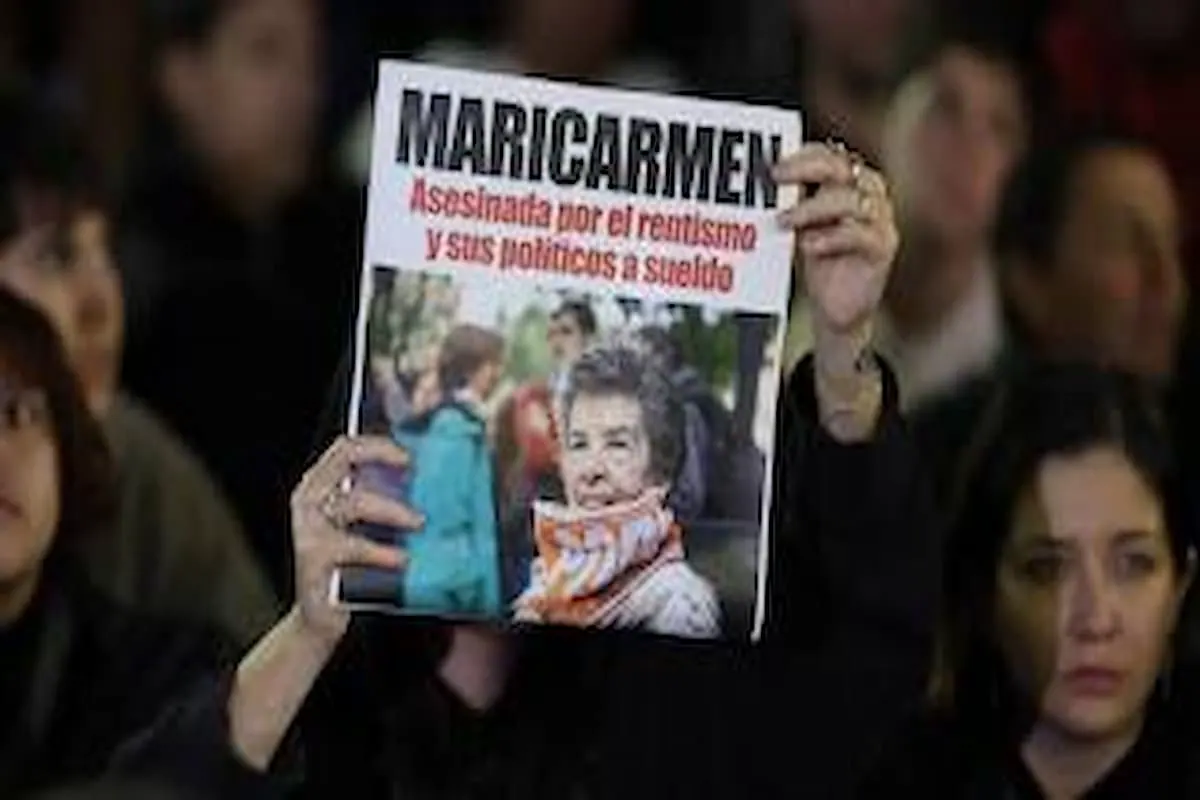
Maricarmen Abascal, an 87-year-old Spanish woman, passed away on October 7 after being hospitalized for exhaustion following her eviction from an apartment she had occupied for 70 years. Her eviction on September 23 was a result of a 275% rent increase, which she could no longer afford. Abascal's tragic story has become a symbol of the housing crisis in Spain, highlighting the struggles of tenants facing rising rents and evictions.
Abascal's case, widely reported as the "Maricarmen case," has sparked a national debate on the housing crisis in Spain. The government of Prime Minister Pedro Sanchez has faced criticism for not doing enough to address the issue. Despite efforts to find a solution, Abascal's death has been seen as a tragic consequence of the government's inaction. The opposition has called for more decisive action to address the housing crisis.
The Spanish government has been struggling to pass measures to address the housing crisis, including a bill to limit evictions and provide more affordable housing options. However, the bill has faced opposition from right-wing parties, which has hindered its passage. The government's inability to pass the bill has led to increased pressure on Prime Minister Sanchez, who has called for early legislative elections on November 29.
The early elections have been seen as a strategic move by Sanchez to gain a more progressive majority in parliament and push through his reforms. However, the left-wing party Podemos has criticized the government's handling of the housing crisis, accusing them of being responsible for Abascal's death. Protests have erupted in several cities across Spain, including Madrid, where demonstrators have set up camps to demand action on the housing crisis.
The major trade unions, including UGT and CCOO, have called for a general strike on November 11 to protest against speculation in the housing market and demand higher wages to keep pace with inflation. The unions are also calling for rent controls and more affordable housing options. The strike is seen as a test of the government's resolve to address the housing crisis.
The housing crisis in Spain has been exacerbated by the economic crisis, which has led to a surge in evictions and homelessness. The government has been criticized for not doing enough to address the issue, and Abascal's death has highlighted the human cost of the crisis. The upcoming elections will be seen as a test of the government's commitment to addressing the housing crisis.
As Spain prepares for the early legislative elections, the housing crisis is likely to remain a major issue. The government's response to the crisis will be closely watched, and the outcome of the elections will have significant implications for the future of housing policy in Spain. The memory of Maricarmen Abascal will continue to be a powerful symbol of the need for action on the housing crisis.
Key points
- Maricarmen Abascal's death has sparked a national debate on the housing crisis in Spain.
- The Spanish government has faced criticism for not doing enough to address the housing crisis.
- The upcoming legislative elections will be seen as a test of the government's commitment to addressing the housing crisis.