Spanish Prime Minister Pedro Sanchez has announced early elections for November 29 in a bid to secure broader parliamentary support. The move comes after parliament rejected measures aimed at addressing the country's housing crisis, which has sparked widespread protests. Sanchez's government has been struggling to pass legislation, and the prime minister hopes that a fresh mandate will allow him to implement much-needed reforms.
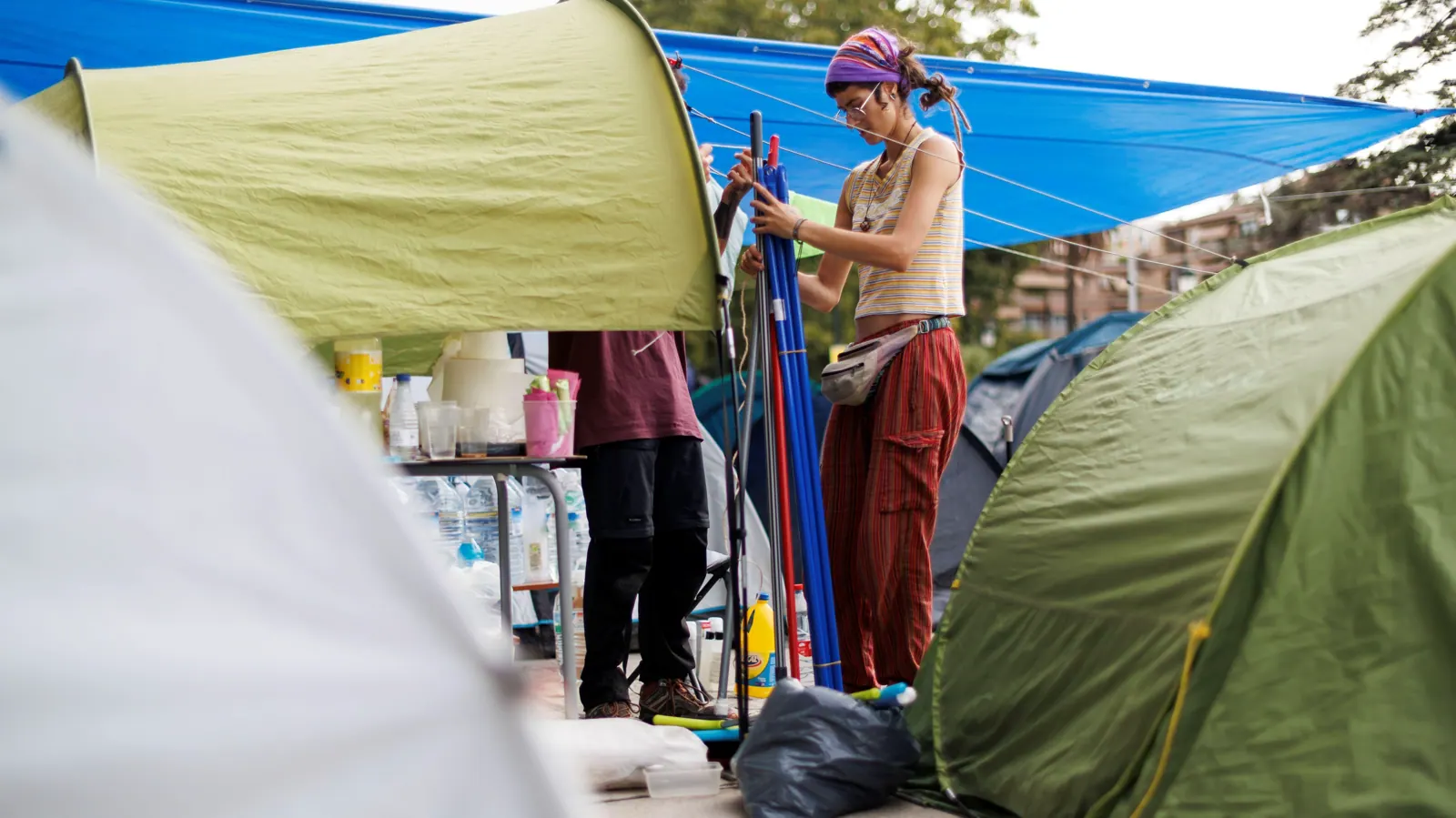
The housing crisis has been a major point of contention in Spain, with many citizens struggling to afford housing. The issue gained momentum after an 87-year-old woman, Maricarmen Abascal, was forced to leave her Madrid apartment after the landlord raised the rent. The incident sparked outrage and protests across the country, with tens of thousands taking to the streets to demand affordable housing.
Sanchez's government had proposed measures to address the crisis, including automatic renewal of rental contracts and restrictions on evictions. However, the proposals were rejected by parliament, with some parties arguing that they did not go far enough. The government has been relying on the support of various parties to pass legislation, but this has proven challenging.
The early elections have been called in an attempt to secure a more stable government. Sanchez has acknowledged that his government has made mistakes and has failed to deliver on some of its promises. He has called for a "progressive majority" that will allow his government to implement reforms. However, opinion polls suggest that the conservative People's Party is gaining ground.
The housing crisis is not the only challenge facing Sanchez's government. The country has been dealing with issues such as corruption, migration, and economic growth. The government's handling of the migration crisis in the enclave of Ceuta has been criticized, and Sanchez has faced backlash over his response to the issue.
The early elections may provide Sanchez with an opportunity to regain momentum. By focusing on the housing crisis, he may be able to mobilize support from left-leaning voters. However, it remains to be seen whether this strategy will pay off. The elections will be a test of Sanchez's leadership and his ability to navigate the country's complex politics.
The outcome of the elections is far from certain. While Sanchez is hoping to secure a broader mandate, opinion polls suggest that the People's Party may emerge as the largest party. This could lead to a coalition government, potentially with the support of far-right parties. The elections will have significant implications for Spain's future and its ability to address pressing challenges such as the housing crisis.
Key points
- Sanchez calls for early elections amid housing crisis
- Housing crisis sparks widespread protests across Spain
- Elections to be held on November 29