Spain's housing crisis has evolved into a comprehensive social and political issue, with far-reaching implications for the country's stability. The crisis is characterized by soaring housing prices and rents, making it increasingly difficult for individuals and families to afford decent accommodation. According to the National Institute of Statistics, housing prices have risen by 12.2% annually, with used housing prices increasing by 12.9%. This surge has placed immense pressure on the rental market, particularly in urban areas.
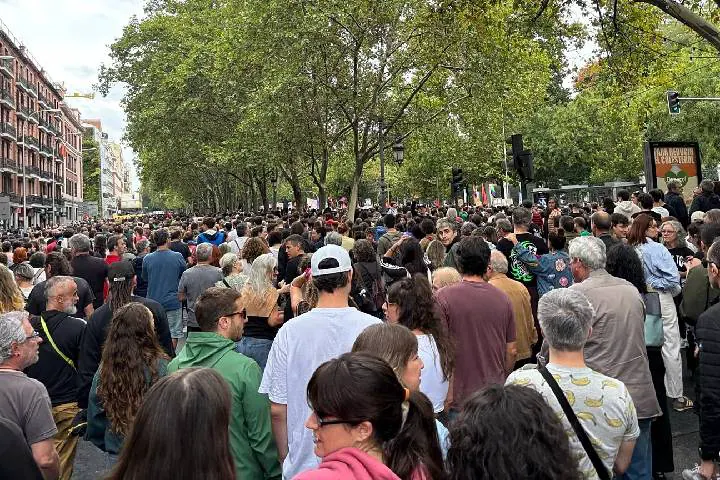
The situation has led to widespread protests, with demonstrations taking place in nearly 50 cities across Spain. In Madrid, authorities estimated that around 70,000 people participated in a rally, calling for immediate government intervention to address the housing crisis. The protests were sparked by various factors, including the eviction of an 87-year-old woman from her home, which became a rallying cry for the movement. The largest trade unions, CCOO and UGT, have also announced plans for a 24-hour general strike to demand better wages and address the housing crisis.
The Spanish government has attempted to address the issue, introducing measures such as a housing plan with a €7 billion budget for 2026-2030. The plan aims to increase the supply of affordable housing, support vulnerable groups, and revitalize the housing stock. However, these efforts have not been enough to alleviate concerns among citizens, who feel that the crisis is escalating faster than the government's ability to respond.
The housing crisis has significant implications for Spain's politics, with Prime Minister Pedro Sanchez announcing early legislative elections for November 29. The government's inability to pass key housing measures in parliament has exposed the complexities of the country's political landscape. The opposition parties are focusing on increasing the housing supply, while the government is advocating for greater protection for tenants and more affordable housing.
The crisis has also highlighted the need for a comprehensive approach to address the root causes of the issue. Many argue that the government's measures have not gone far enough to address the scale of the problem. The housing crisis has become a pressing concern for Spanish citizens, with many feeling that their ability to access affordable housing is being threatened.
As the election campaign approaches, the housing crisis is likely to remain a key issue. The main opposition parties are calling for increased housing supply and faster construction, while the government is emphasizing its commitment to affordable housing and tenant protection. The trade unions and tenant associations are pushing for more radical measures, including rent controls and increased public housing.
The outcome of the elections will have significant implications for Spain's housing crisis. The next government will need to develop effective policies to address the issue, which will require a comprehensive approach and significant investment. Ultimately, the housing crisis has become a test of the Spanish government's ability to respond to the needs of its citizens and ensure that everyone has access to affordable and decent housing.
Key points
- The Spanish housing crisis has led to widespread protests and calls for urgent government action.
- The crisis has significant implications for Spain's politics, with the government facing challenges in passing key housing measures.
- The outcome of the upcoming elections will have a major impact on the country's response to the housing crisis.