The Spanish Embassy in Rabat has launched a social media campaign to warn people about the risks of irregular entry into Ceuta and Melilla. The campaign aims to counter claims about a recent Supreme Court ruling on irregular arrivals and clarify what happens to people who enter the cities outside legal channels. The embassy emphasized that entering Spain irregularly through Ceuta and Melilla does not grant the right to access the Peninsula, remain in Spain, or move freely throughout the rest of the European Union.
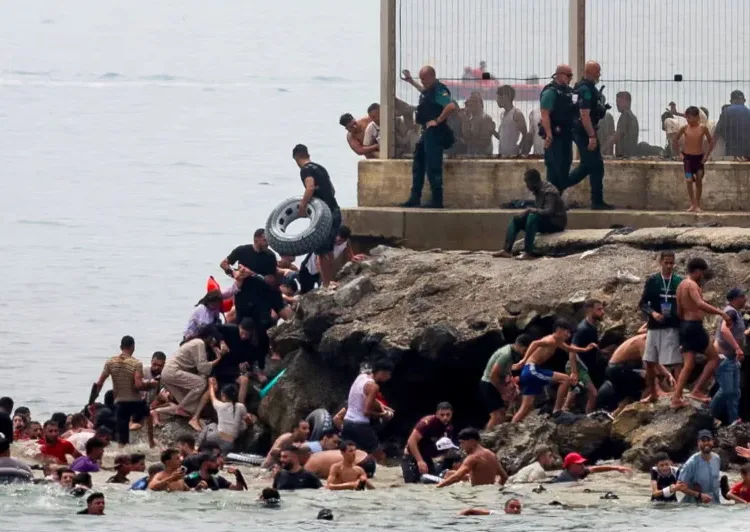
The Spanish Embassy's campaign comes as new calls on social media urge people to cross into Ceuta and Melilla. Some posts called for a protest outside the Spanish Embassy in Rabat on Sunday, September 20, while others called for an attempted crossing into Ceuta on September 23, the date of Morocco's legislative elections. The latest calls have emerged less than two months after a major migration crisis at Ceuta's border, when more than 70,000 people attempted to enter the city on July 30.
The recent Supreme Court ruling clarified the procedure for those arriving by sea, but did not modify the Immigration Law, declare border rejections illegal, or prevent returns. The embassy rejected claims that the court ruling changed Spain's immigration rules or made returns from the two cities impossible. Spanish consulates across Morocco shared similar messages, including French-language versions of the campaign.
The embassy's campaign also seeks to address a specific misconception about Ceuta and Melilla: entry into either city does not automatically provide access to mainland Spain or the wider Schengen Area. Spanish authorities describe the two cities as having a "double filter." The first check takes place at the border with Morocco, while a second Schengen control applies when travelers leave Ceuta or Melilla for mainland Spain by sea or air.
The Foreign Ministry issued similar guidance on August 3, urging people who plan to travel to Spain to rely on official information about legal entry and residence rather than claims shared on social media. The ministry emphasized that entering irregularly into Ceuta or Melilla does not allow individuals to remain in Spain or reach Europe.
The latest campaign comes as authorities remain alert to the possibility of further attempts to cross into Ceuta and Melilla following the scale of the July crisis. Most of those who entered Ceuta during the crisis later returned to Morocco, although thousands remain in Ceuta. The crisis placed further pressure on the already sensitive migration file between Morocco and Spain and prompted renewed debate over border controls, social media misinformation, and the legal consequences of irregular entry.
The Spanish Embassy's campaign aims to provide accurate information to potential migrants and prevent further attempts at irregular entry. The embassy's efforts are part of a broader strategy to address the migration crisis and promote a more informed public discourse about the risks and consequences of irregular migration.
Key points
- Spain warns against irregular entry into Ceuta and Melilla after new social media calls for mass crossings.
- The Spanish Embassy's campaign aims to counter claims about a recent Supreme Court ruling on irregular arrivals and clarify what happens to people who enter the cities outside legal channels.
- Entry into Ceuta and Melilla does not automatically provide access to mainland Spain or the wider Schengen Area.