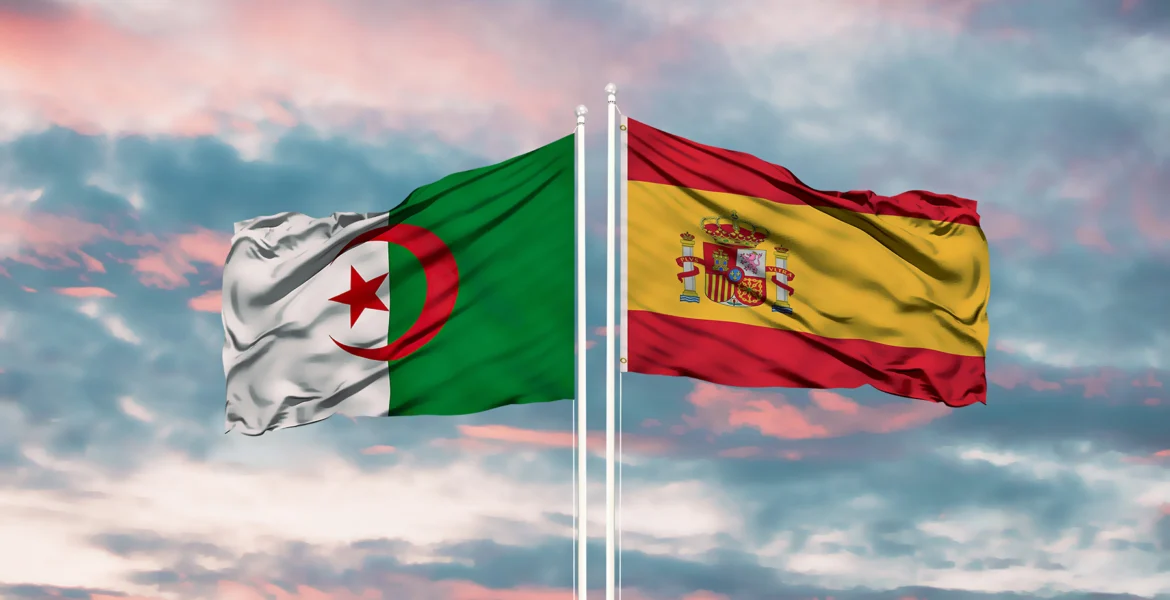
Strategic analysts in Algeria view the improvement in relations between Algeria and Spain as a card Morocco is playing to pressure Spain and sabotage the rapprochement. They believe Morocco's system is trying to spoil the growing ties between the two nations. The expected visit of Algerian President Abdelmadjid Tebboune to Spain, although not officially confirmed, and the announcement of a high-level meeting in October, are seen as developments that are unsettling for Morocco.
According to Miguel Hernando de Larramendi, a professor of Arabic and Islamic studies at the University of Castilla-La Mancha, Morocco has long considered the Spanish government under Prime Minister Pedro Sanchez as being under its control. This perception stems from a high-profile espionage operation in which Moroccan intelligence allegedly used the Pegasus spyware to hack into Sanchez's phone and those of other top Spanish officials.
The rapprochement between Algeria and Spain is taking place against the backdrop of two significant events that are likely to increase pressure on Spain from Morocco. These events include the upcoming visit of Spanish King Felipe VI to the cities of Ceuta and Melilla and the approval of a law granting Spanish citizenship to the Sahrawi people. These moves were among the reasons behind Morocco's retaliation against Madrid in July 2022, when it organized an influx of around 80,000 migrants into Ceuta.
However, the situation appears to be different this time compared to 2022. Morocco is currently facing significant internal and external challenges, which are likely to limit its ability to pressure Madrid into damaging its relations with Algeria. Internally, Morocco has experienced unprecedented discontent since the royal palace elevated diplomatic ties with Israel to the level of ambassadors.
On the external front, Morocco's relations with Madrid are at a low ebb. There is a broad consensus within Spain, both officially and popularly, on the need to punish Morocco for its actions against Spanish sovereignty, particularly the invasion of Ceuta. Although Sanchez's government has attempted to ease tensions, the Spanish National Court has ordered new investigations into the planning and organization of the mass influx of migrants into Ceuta.
A recent court ruling has accepted the conclusions of a report by the Spanish National Commission for Economic and Social Research, which found that the mass influx of migrants into Ceuta was not a spontaneous event but rather a coordinated operation. This development is seen as a challenge to Morocco's narrative and has contributed to increased tensions between the two countries.
The ongoing developments are likely to weaken Morocco's ability to maneuver and pressure Madrid into limiting its rapprochement with Algeria. Spain is seeking to strengthen its energy ties with Algeria, driven by its need for preferential energy supplies. The Spanish monarch's upcoming visit to Ceuta and Melilla and the judicial investigations into Morocco's involvement in the events of Ceuta are seen as evidence of Spain's determination to take a firmer stance against Morocco.
Key points
- Morocco's ability to pressure Spain into damaging its relations with Algeria is likely to be limited by its internal and external challenges.
- The rapprochement between Algeria and Spain is driven by Spain's need for preferential energy supplies from Algeria.
- The Spanish government's stance on Morocco is influenced by a broad consensus within Spain on the need to punish Morocco for its actions against Spanish sovereignty.