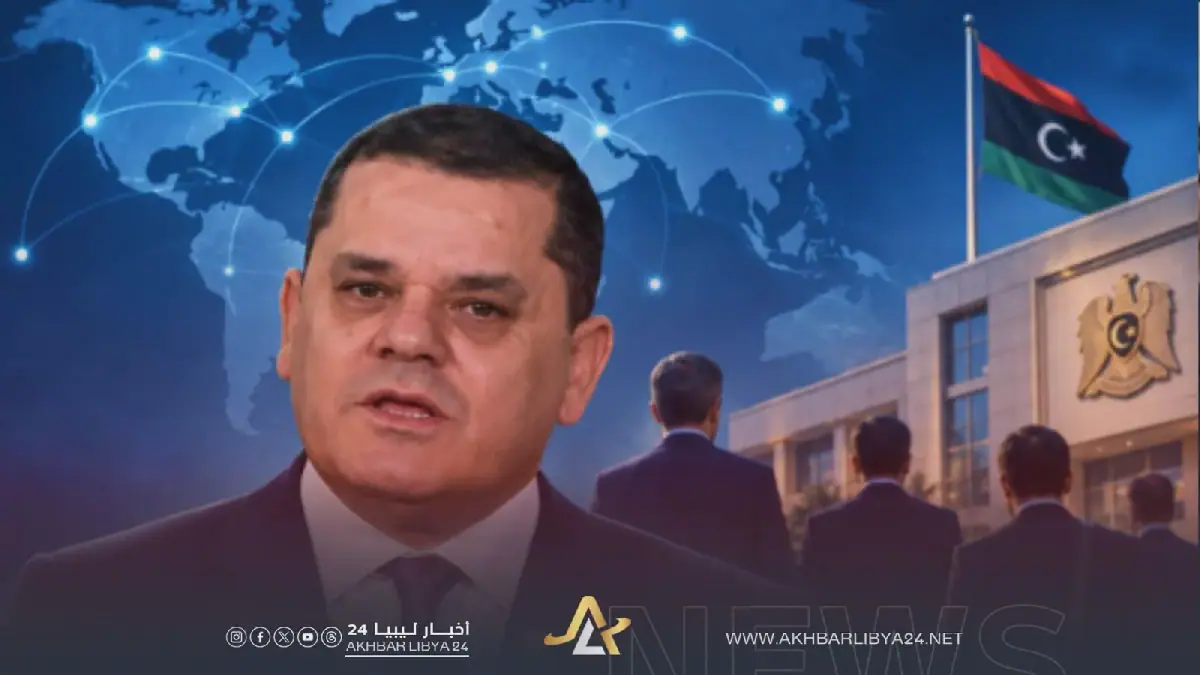
A recent report by Libya's Audit Office for 2025 has highlighted several administrative and financial irregularities in various government sectors, including the country's diplomatic and education departments. The report revealed that the number of employees in Libyan embassies, consulates, and missions abroad stood at approximately 3,601 in 2025, comprising 1,938 diplomats and 1,663 local staff. This has raised questions about the justification for such a large diplomatic workforce.
The report also found that only 868 of the diplomats, or 44%, were actually employed by the Foreign Ministry, while 1,070, or 56%, were from outside the ministry. This has sparked concerns about the criteria for selecting and assigning diplomats and whether their numbers align with the actual needs of Libyan diplomatic missions. Furthermore, the report noted that the existing financial obligations of the Foreign Ministry stood at around 5.2 million dinars, with no clear measures taken to address them.
In addition to the issues in the diplomatic sector, the report criticized the education sector for ordering excessive quantities of textbooks. Over 10.2 million textbooks were purchased, exceeding the actual needs of schools. The report attributed this to poor needs assessment and inaccurate data used to determine the required number of copies. The total value of textbook orders for primary, secondary, and technical education was approximately 78.3 million dinars.
The report also highlighted that 80% of payments to supplier companies had been made despite technical irregularities in the delivered textbooks. This has raised concerns about the effectiveness of planning, execution, and oversight of supply contracts in the education sector. The report's findings suggest that the education sector's budget could have been used more efficiently.
Prime Minister Abdul Hamid Dbeiba had previously pledged to reduce the number of employees in diplomatic missions abroad. However, the report's findings suggest that little progress has been made in this regard. The continued growth of the diplomatic workforce and excessive spending on textbooks have sparked concerns about the government's ability to manage public resources effectively.
The report's recommendations are expected to prompt a review of the diplomatic and education sectors, with a focus on improving efficiency, transparency, and accountability. Libya's authorities will need to address these issues to prevent further waste of public funds and ensure that resources are allocated effectively to meet the country's needs.
The findings of the report have significant implications for Libya's efforts to improve governance and manage public resources effectively. The authorities will need to take concrete steps to address the issues raised and implement reforms to prevent similar irregularities in the future.
Key points
- Libya's diplomatic sector has a bloated workforce, with over 3,600 employees in embassies, consulates, and missions abroad.
- The education sector has ordered excessive quantities of textbooks, with over 10.2 million copies purchased, exceeding actual needs.
- The report's findings have significant implications for Libya's efforts to improve governance and manage public resources effectively.