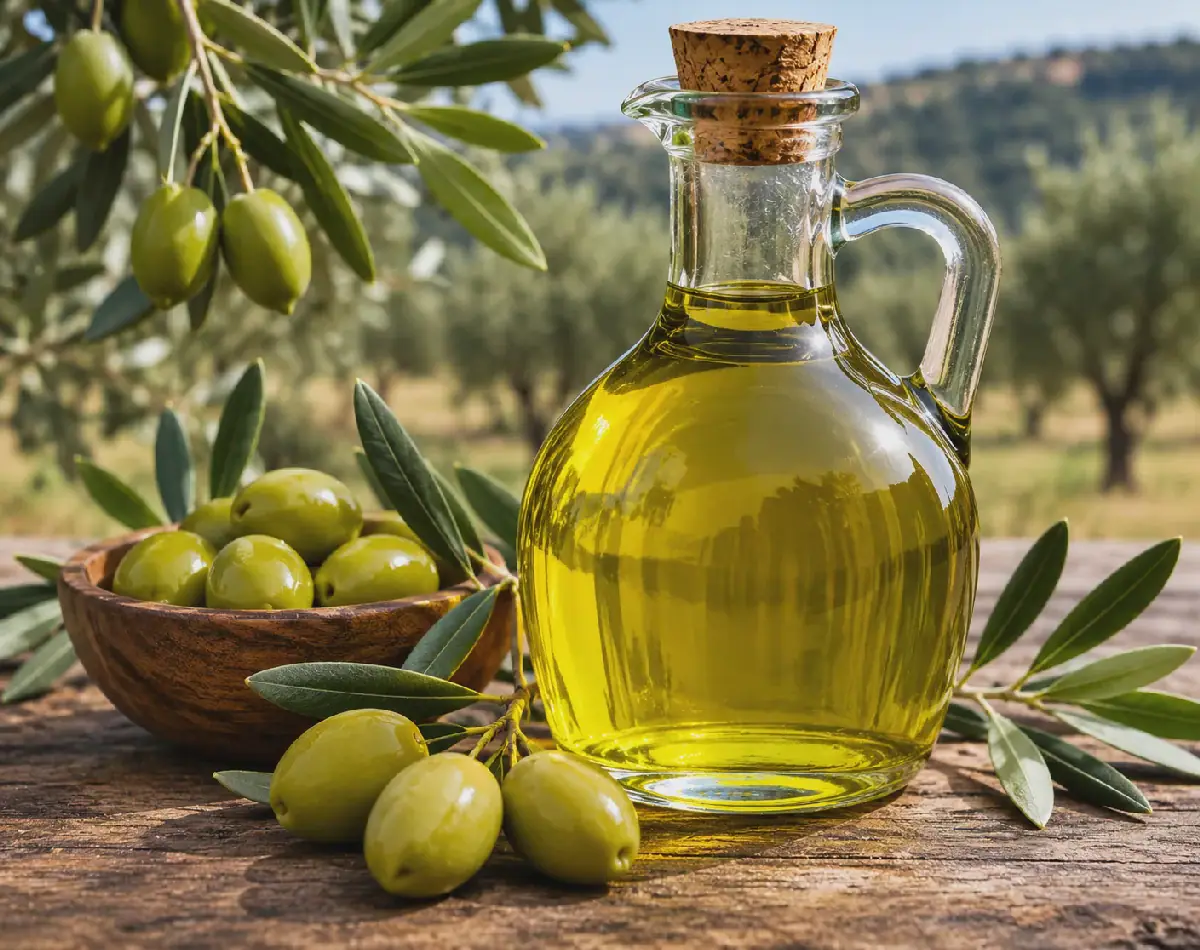
The Spanish government has introduced a measure requiring the storage of 12% of its olive oil production until September 2027. This move aims to prevent a potential price drop due to an expected abundant harvest in the 2026-2027 season. The decision, announced by the Ministry of Agriculture, will temporarily withdraw around 188,000 tons of olive oil from the market to regulate supply and ensure sector stability.
Spain, the world's largest olive oil producer, accounting for approximately 40% of global production, anticipates a harvest of 1.6 million tons for the 2026-2027 season. This represents a 23% increase compared to the previous season, primarily due to favorable spring weather conditions. The storage requirement will be applied to the cumulative monthly production of each olive oil mill, across all varieties.
Producers will have the flexibility to choose which oils to store and can utilize their facilities or external warehouses. According to Agriculture Minister Luis Planas, this is the first measure of its kind in Spain and may be reviewed from December 31, depending on production developments. The minister emphasized the risks associated with excessive price drops on the profitability of traditional farms, which face high production costs.
This decision comes as Spain's olive oil production recovers from two consecutive seasons marked by drought and heatwaves in 2022-2023 and 2023-2024. These conditions led to a historic high in olive oil prices. The government aims to balance the market and support the sector's stability. The storage requirement is expected to help manage supply and prevent market fluctuations.
The Ministry of Agriculture's measure is designed to regulate the market and ensure a stable environment for producers. By withdrawing a significant portion of the expected production from the market, the government hopes to maintain prices and support the profitability of olive oil farms. This move is seen as a proactive step to address potential challenges in the sector.
The Spanish olive oil sector has faced significant challenges in recent years, including adverse weather conditions and fluctuating prices. The government's decision to introduce mandatory storage aims to mitigate these risks and provide a more stable outlook for producers. The measure is also expected to benefit consumers by ensuring a consistent supply of high-quality olive oil.
The impact of this measure on the global olive oil market remains to be seen. As the world's largest producer, Spain's production and storage decisions have significant implications for the industry. The government's proactive approach to managing supply and stabilizing prices may serve as a model for other major producers to follow.
Key points
- Spain requires 12% of olive oil production to be stored until September 2027.
Reporting sources
- إسبانيا تأمر بتخزين زيت الزيتون · tanja7.com