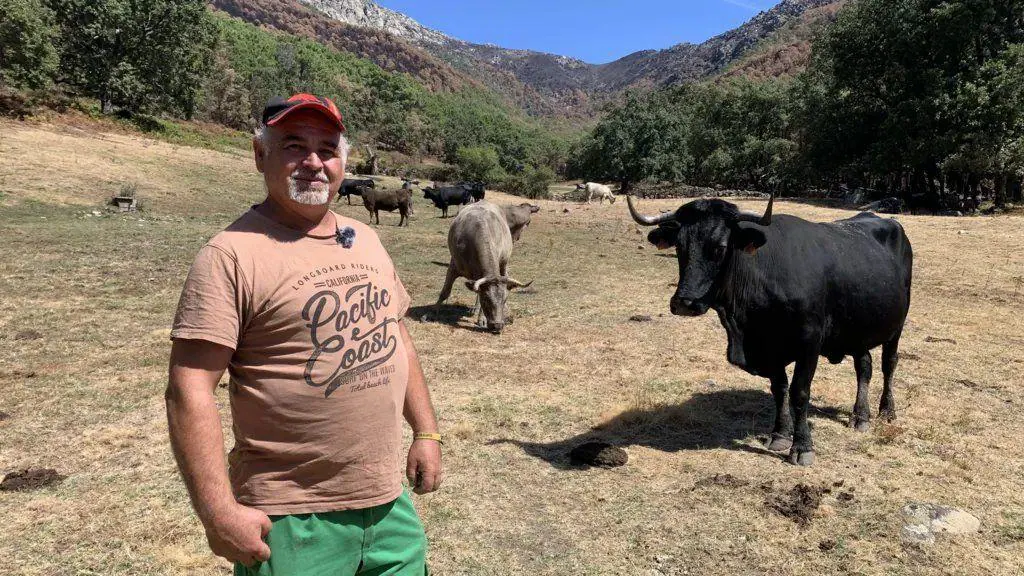
A recent wave of wildfires has ravaged large areas of Spain, with the largest fire on record burning over 80,000 hectares of land in July. The fires have not only destroyed vast swaths of land but have also had a devastating impact on local farmers, with many losing their livestock and crops. Juan Ángel Izquierdo, a farmer from the town of Gredos, said that the fire was "huge" and that he had never seen anything like it before.
Climate change is having a profound impact on Spain's environment, with rising temperatures and changing weather patterns leading to more frequent and severe wildfires. According to a report by the World Weather Attribution, the conditions that led to the devastating wildfires in Spain and Portugal in 2025 were made 40 times more likely by climate change. The report's findings highlight the urgent need for action to reduce greenhouse gas emissions and mitigate the effects of climate change.
The Spanish government has taken steps to address the issue of climate change, with Prime Minister Pedro Sánchez describing the situation as a "climate emergency." The government has implemented measures to reduce carbon emissions and promote renewable energy, but more needs to be done to address the scale and complexity of the problem. According to Ernesto Rodríguez Camino, head of the Spanish Meteorological Association, "the ultimate cause of the increase in wildfires is the rise in greenhouse gas emissions, mainly due to the widespread use of fossil fuels."
The tourism industry, which accounts for 13% of Spain's GDP, is also feeling the effects of climate change. Rising temperatures and heatwaves are deterring tourists from visiting certain areas, with many opting for cooler destinations. According to a study by the King Juan Carlos University in Madrid, heatwaves are leading to a decline in tourist arrivals and overnight stays in some of Spain's most popular destinations.
The city of Toledo, a UNESCO World Heritage Site, is one of the areas affected by the heatwaves. The city's historic center, with its narrow streets and ancient architecture, is not well-suited to the rising temperatures, and tourists are beginning to opt for cooler destinations. Diego Esteban, a tourist guide in Toledo, said that it's becoming increasingly difficult to organize tours during the summer months and that the heat is having a significant impact on the local economy.
In addition to the heatwaves and wildfires, Spain is also experiencing more frequent and severe floods. In October 2024, a devastating flood in the eastern region of Valencia killed 237 people and caused widespread damage. The flood was described as a "clear example of how global warming is changing the hydrological cycle" by the Spanish climate research group Climatok-Lab.
The economic impact of climate change is significant, with the agricultural sector being particularly hard hit. According to the Agroseguro insurance association, 16,000 hectares of crops were destroyed in the first half of the year, resulting in significant losses for the agricultural industry. The government has implemented measures to support farmers and businesses affected by climate change, but more needs to be done to address the scale and complexity of the problem.
Key points
- Climate change is having a profound impact on Spain's environment, economy, and tourism industry.
- Rising temperatures and extreme weather events are leading to more frequent and severe wildfires, heatwaves, and floods.
- The Spanish government needs to take more action to address the issue of climate change and mitigate its effects on the environment and economy.