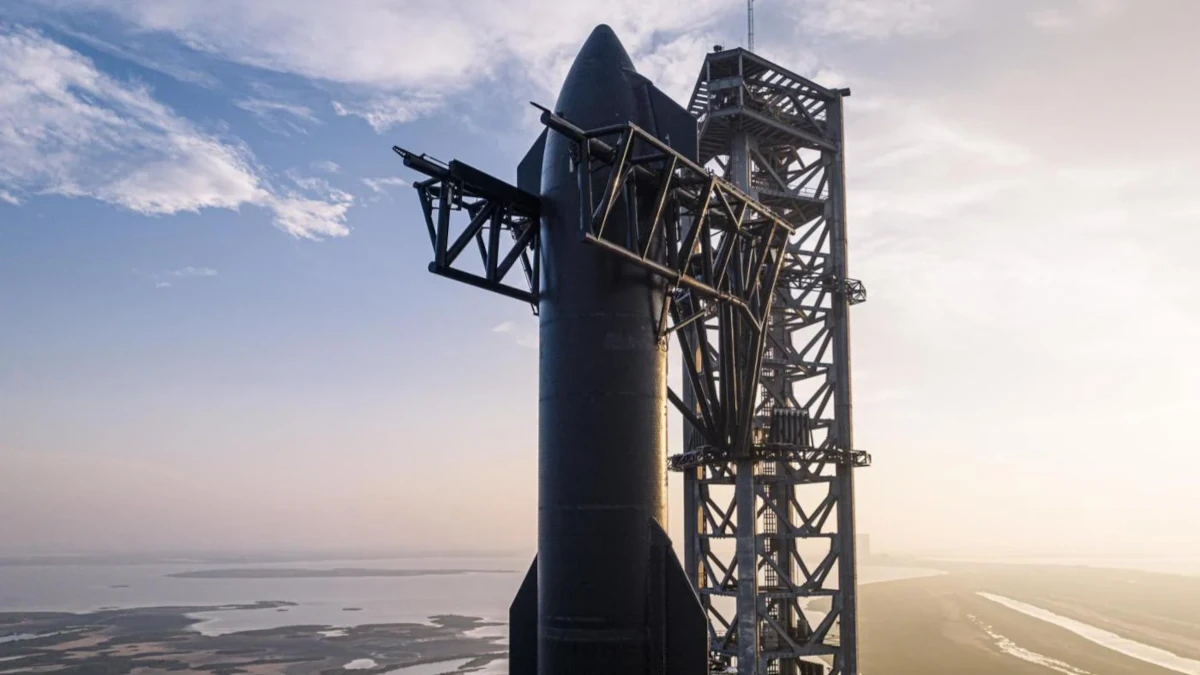
On September 28, 2026, SpaceX achieved a significant milestone with the successful launch of its Starship into orbit for the first time. The 14th test flight of the giant launcher took place at Starbase in Texas, marking a major breakthrough for the company. During the mission, 26 satellites from the third-generation Starlink constellation were deployed. This accomplishment comes after 13 previous intentionally suborbital tests of the Starship.
The Starship's upper stage experienced an unexpected issue during ascent, with one of its six engines shutting down earlier than planned. Initially, SpaceX's spokesperson, Dan Huot, indicated that the spacecraft would not reach orbit. However, the company managed to overcome this challenge and successfully place the Starship into orbit. The mission was originally planned to last around 10 hours, with six orbits around the Earth, but the teams decided to bring the spacecraft back to Earth after just three hours in orbit.
After announcing the decision to end the mission early, SpaceX teams worked to safely return the Starship to a predetermined area in the Pacific Ocean. The spacecraft performed its re-entry into the atmosphere and splashed down in the ocean, north of the Hawaiian archipelago. According to TechCrunch, this simulated landing was one of the cleanest achieved by SpaceX with the V3 version of Starship, which has been under testing since May.
The 26 deployed Starlink V3 satellites are more powerful than their predecessors and represent a significant advancement in SpaceX's satellite technology. This launch marks the first time these satellites have reached space. The successful deployment of these satellites is a crucial step towards expanding SpaceX's satellite internet constellation.
According to SpaceX's Chief Financial Officer, Bret Johnsen, this mission was expected to be the first revenue-generating flight of Starship. The launch comes at a significant time for SpaceX, as it is the company's second launch since going public, which was reportedly the largest IPO in history. The company's stock experienced a slight increase in early trading, but later turned negative when the early termination of the mission was announced.
The Starship launch and satellite deployment have significant implications for the satellite industry. The mission demonstrates SpaceX's capabilities in launching large numbers of satellites into orbit, which is a key aspect of its Starlink internet constellation project. This project aims to provide global internet connectivity through a network of thousands of satellites.
The successful launch and deployment of the Starlink V3 satellites mark a major milestone for SpaceX and its ambitious satellite internet project. The company is expected to continue launching Starship and deploying satellites in the coming months, with plans to expand its global internet connectivity services. The mission's success will likely have a positive impact on the development of the satellite industry as a whole.
Key points
- SpaceX successfully launched its Starship into orbit for the first time, deploying 26 Starlink V3 satellites.
- The mission was originally planned to last 10 hours but was ended early after three hours in orbit due to technical issues.
- The launch marks a significant milestone for SpaceX's Starlink satellite internet constellation project.