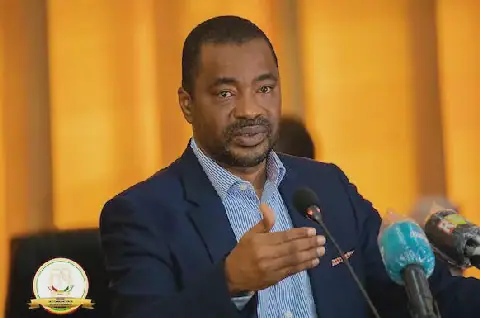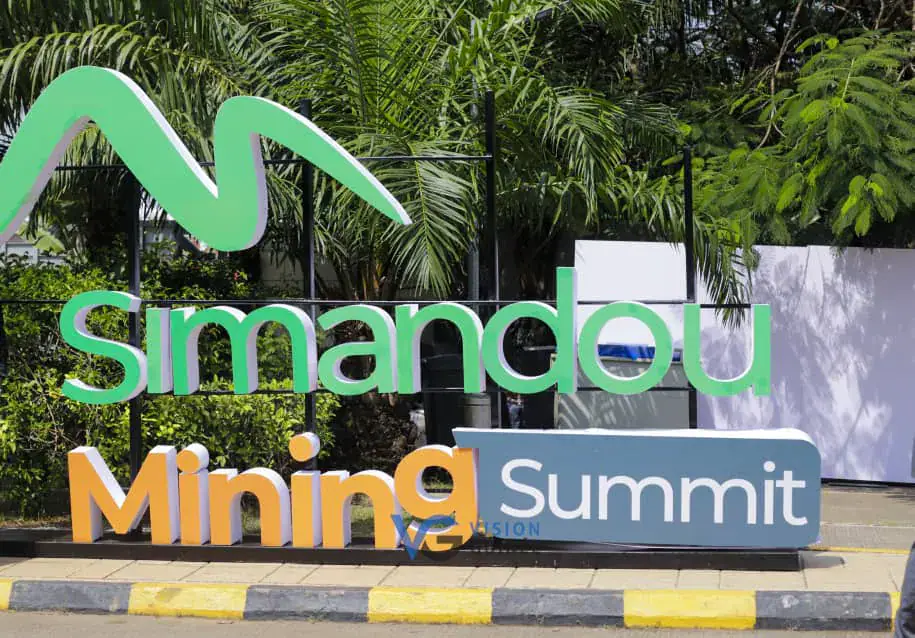
Guinea's Minister of Finance, Economy, and Budget, Mariama Ciré Sylla, has outlined the government's strategic plan to transform the country's mining sector into a sustainable driver of economic growth by 2040. Speaking at the Simandou Mining Summit in Conakry, Sylla emphasized the need to mobilize investments, maintain macroeconomic stability, develop infrastructure, and promote local transformation of resources. This approach aims to foster sustainable and more equitable growth. The minister highlighted the crucial role of large mining projects in the country's development, positioning them as powerful catalysts for economic transformation.
Sylla stressed that the success of these projects cannot be limited to mere mineral extraction. She encouraged investors to seize opportunities, particularly in investing significantly in infrastructure, including energy, transportation, and industrial zones. These investments are essential to reduce production costs and make the economy more competitive. The government's strategy prioritizes economic diversification, moving beyond extraction to transformation in the mining sector and other areas, such as agriculture and industry. This diversification aims to create added value, jobs, and local revenue.
The minister emphasized the importance of improving the business environment to achieve the set objectives. She called for enhancements to the investment framework, noting that without a suitable investment climate, it will be challenging to attract the necessary investments for the Simandou 2040 program. The government has been working on reforms to improve the business climate, providing visibility for investors, stabilizing the macroeconomic framework, and facilitating procedures to accelerate project implementation.
Sylla also highlighted the need for the benefits of investments to directly reach the populations. She advocated for growth to translate into productive infrastructure, improved revenue, and enhanced social services for the people. The government's goal is to ensure that the country's natural resources are harnessed to create sustainable and shared prosperity. This involves not only economic growth but also social development and improved living standards for Guineans.
The Simandou Mining Summit provided a platform for the government to engage with investors and stakeholders on the country's mining sector. The event focused on the potential of large mining projects to drive economic growth and development. Sylla's address underscored the government's commitment to creating an enabling environment for investments and ensuring that the benefits of mining activities are shared equitably among the population.
The government's strategy for the mining sector is aligned with its broader economic development goals. By transforming the mining sector, the government aims to create a more diversified and competitive economy. This involves investing in infrastructure, promoting local value addition, and fostering sustainable growth. The minister's address highlighted the importance of partnerships between the government, investors, and other stakeholders in achieving these objectives.
As Guinea moves forward with its strategy to transform the mining sector, the government faces the challenge of balancing economic growth with social and environmental considerations. The success of this strategy will depend on effective implementation, transparency, and accountability. With the right approach, Guinea can harness its natural resources to achieve sustainable and inclusive development, improving the lives of its citizens and positioning the country for long-term prosperity.
Key points
- The Guinean government aims to transform its mining sector into a sustainable driver of economic growth by 2040 through strategic investments and infrastructure development.