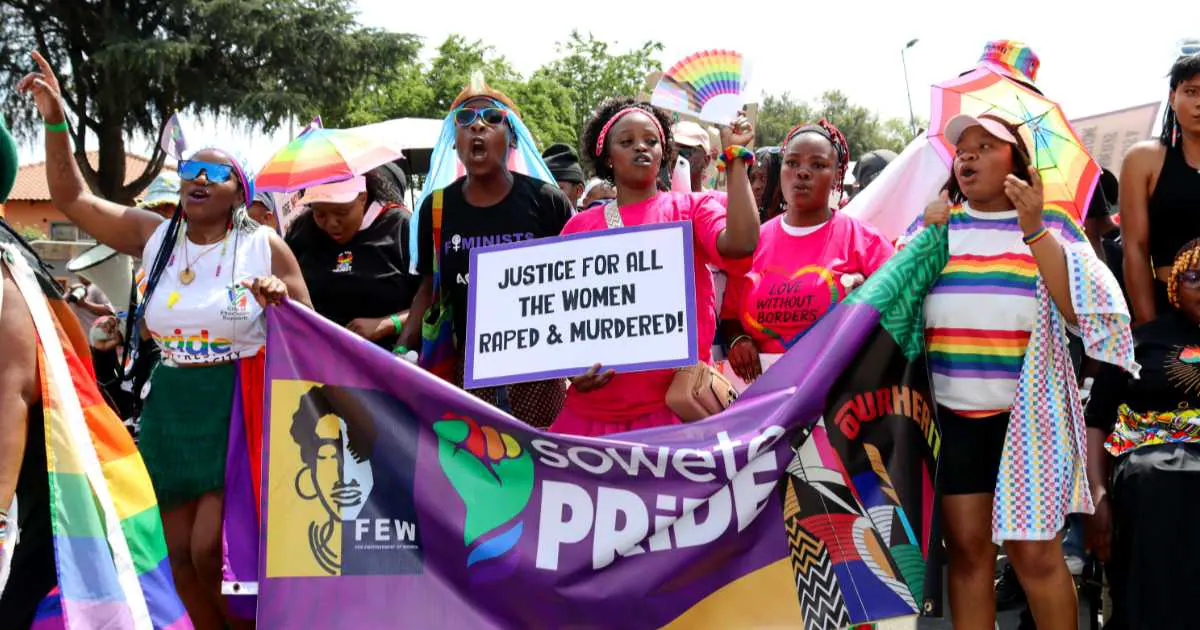
Soweto Pride 2026 took place over two days, with the annual event showcasing both the challenges faced by LGBTQIA+ individuals and the joy of queer community. On September 25, the streets of Soweto were filled with color, pride, and determination as LGBTQIA+ people and allies gathered for the heritage-themed Soweto Pride march. The event was a celebration of queer visibility and a reminder of Soweto's significance in South Africa's history of resistance.
The march was addressed by former Justice Edwin Cameron, who reflected on the importance of holding Pride in Soweto and its connection to the country's broader liberation history. Cameron highlighted the contribution of queer activist Simon Tseko Nkoli, whose coming out during his treason trial helped change views and secure sexual orientation in South Africa's constitution in 1994. However, Cameron emphasized that constitutional recognition has not ended discrimination and violence, particularly against lesbians experiencing gender-based violence.
Deputy Minister of Women, Youth and Persons with Disabilities Steve Letsike described the large turnout as an act of visibility and resistance. Letsike connected the Pride movement to South Africa's history, noting the importance of 1956 and 1976 and the contribution of queer women to the women's movement. She urged young queer people to challenge social and economic issues and address the continuing problem of gender-based violence.
International solidarity was visible at the march, with delegates from several countries in attendance. Dr. Nicolas Vandeviver, Deputy General Representative of Flanders in Southern Africa, reaffirmed his delegation's support for Soweto Pride and LGBTQ+ communities. Vandeviver assured those gathered that Flanders' support extended beyond Pride itself and was a year-round commitment.
Deputy Minister of Justice and Constitutional Development Andries Nel focused on the importance of recognizing LGBTQIA+ people as part of South Africa's heritage. Nel stressed that LGBTQIA+ South Africans are part of the heritage of Soweto and the country, but acknowledged the continuing gap between constitutional rights and everyday experiences. He highlighted the role of civil society and government collaboration in advancing LGBTQIA+ rights.
The second day of Soweto Pride, September 26, offered a celebration of queer love, identity, and togetherness at Lwalichaba Chesa Nyama. The atmosphere shifted from speeches and marching to music, dancing, and celebration, with MCs Pretty Ndie The MC and Chicken KwaNjomane keeping the crowd on their feet. The event created space for people to enjoy themselves, connect with one another, and celebrate being queer.
The two days of Soweto Pride presented a picture of a community that refuses to be defined only by challenges. The event balanced protest, remembrance, and calls for action with laughter, music, dancing, love, and unapologetic queer joy. Soweto Pride remained both a statement of visibility and a celebration of life, showcasing the resilience and determination of the LGBTQIA+ community.
Key points
- Soweto Pride 2026 highlighted the struggles faced by LGBTQIA+ individuals, including violence and discrimination.
- The event celebrated queer love, identity, and togetherness, showcasing the joy and resilience of the LGBTQIA+ community.
- Speakers, including former Justice Edwin Cameron and Deputy Minister Steve Letsike, emphasized the importance of solidarity, visibility, and continued action for LGBTQIA+ rights.