Southeast Asia is bracing for a record-breaking El Niño, which experts warn may cause severe drought, heatwaves, and flooding across the region. The phenomenon, part of a natural climate cycle, is expected to reach new extremes this year, threatening food security for millions of people. Southeast Asia, one of the world's most climate-vulnerable regions, is already dealing with an energy crisis triggered by the war in Ukraine. El Niño is fuelling wildfires across farmland, depleting water supplies for major cities, and hurting fish catches in the region.
El Niño occurs every few years, altering global weather patterns when sea surface temperatures in the Pacific Ocean are warmer than usual. This year, the seas are already hotter than average, with global oceans hitting new temperature records in August. The UK's national weather and climate service has described this El Niño as potentially the "strongest in living memory". The US National Oceanic and Atmospheric Administration said there is a 69% chance this will be the strongest recorded El Niño since record-keeping began in 1950.
The impact of El Niño will be felt differently across regions, but it is expected to jeopardise food security worldwide. The UN World Food Programme warned that El Niño could push at least 49 million more people into acute food insecurity by the end of 2027. The problem will be worst in parts of central America and southern Africa, with significant effects also anticipated in eastern Africa and south and southeast Asia.
In Southeast Asia, wildfires are torching forests and peatlands in Indonesia, sending up plumes of toxic haze. The water level of a major reservoir supplying the capital city of Jakarta is dropping, and the ruins of one of 11 villages that had been inundated by the reservoir have emerged. Local residents are growing increasingly concerned about the need for alternative water supplies for the city of 42 million.
Southeast Asia's fisheries are also under pressure due to less rainfall and hotter temperatures. The Mekong river basin, which flows through six nations, is being disrupted by mining and construction of hydropower dams. Lower flows are especially hard on communities along the Mekong who depend on predictable water levels for fishing and farming.
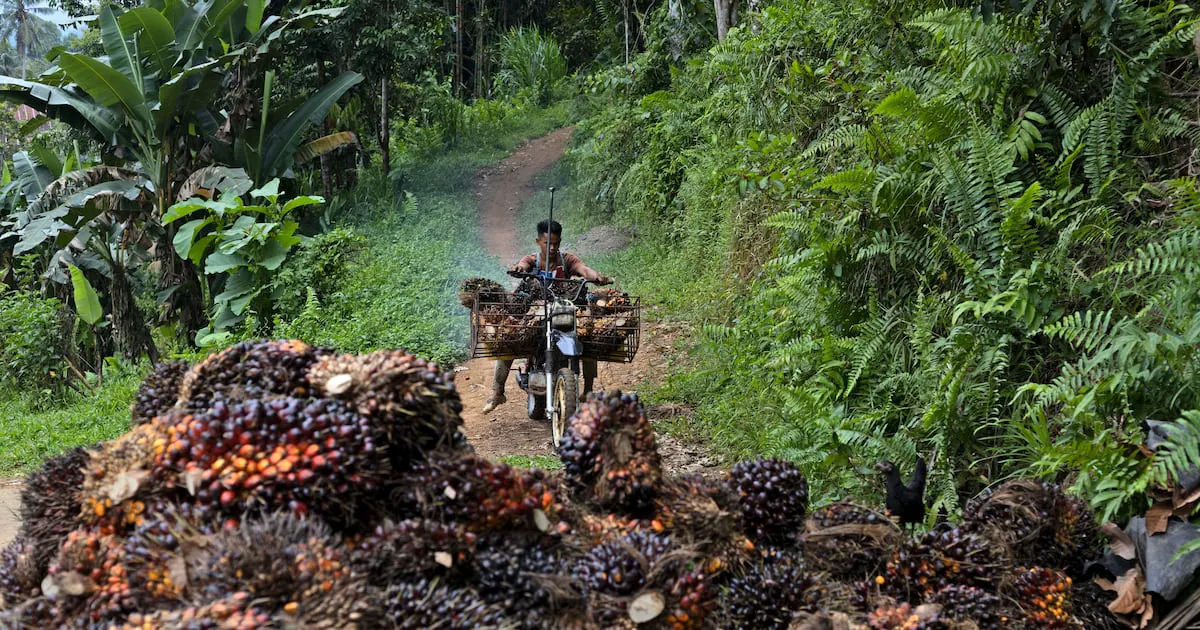
Drought may force farmers to delay planting, reduce acreage, or switch crops entirely, which could have global impacts on staple crops such as rice and palm oil. The world's top three exporters of rice - India, Vietnam, and Thailand - are among the nations most likely to be hit hard by El Niño this year. Malaysia's prime minister has ordered its ministry of agriculture and food security to find ways to mitigate El Niño's impact, which is forecast to hit Malaysia hardest in November.
The economic fallout of an extreme El Niño is hard to calculate, but losses from past events have reached trillions. Analysts at Goldman Sachs estimated this El Niño could push up global food commodity prices by more than 15%. Experts warn that the extent to which countries can protect production levels will have global impacts, and that agriculture determines whether people stay below or slightly above the poverty line.
Key points
- El Niño may threaten food security, pushing at least 49 million more people into acute food insecurity by the end of 2027.
- Southeast Asia's fisheries and agriculture sectors are under pressure due to less rainfall and hotter temperatures.
- The economic fallout of an extreme El Niño could be significant, with estimated increases in global food commodity prices.