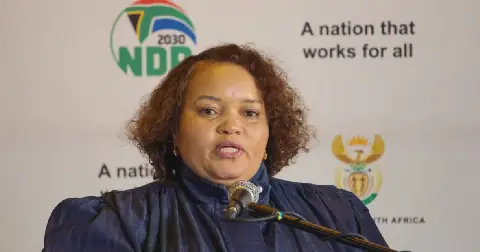
Corruption is a significant challenge facing South Sudan, hindering the country's development and affecting the lives of its citizens. According to columnist Ayuel Mangok Angui, corruption has become an opportunity for individuals to amass national wealth and enrich themselves. The lack of accountability and absence of laws holding individuals responsible for their actions have contributed to the widespread corruption. As a result, government employees are more interested in stealing money than working for the benefit of the nation.
The consequences of corruption in South Sudan are far-reaching, with social insecurity and civil unrest being significant concerns. The marginalized youth have become involved in waging civil war against the corrupt government, further destabilizing the country. Corruption has also become a teachable subject, with young people being taught that it is a way of life. This has created a culture of corruption that is being passed down from one generation to the next.
The appointment of leaders to ministerial positions has also been compromised by corruption. Relatives and friends often advise appointees to invest in corruption rather than national development. This has led to a situation where corruption has become a continuous part of life in South Sudan. If not addressed, it will be inherited by future generations, perpetuating a cycle of corruption and underdevelopment.
Ayuel Mangok Angui, a columnist for One Citizen Daily Newspaper, has spoken out against corruption in South Sudan. He notes that people steal money because it does not speak to them about the reasons why they should not do so. However, he warns that a day will come when the money will miraculously speak to those who have stolen it, bringing shame and accountability.
The lack of accountability for corrupt activities is a significant concern in South Sudan. Government officials and employees are able to disappear with millions and billions of dollars meant for national development without facing consequences. This has created an environment where corruption can thrive, with individuals feeling that they can act with impunity.
Corruption has affected not only national development but also social cohesion in South Sudan. The country's peace and unity are threatened by the widespread corruption, which has created an environment of mistrust and hostility. The youth, in particular, are vulnerable to the negative impacts of corruption, which can lead to social unrest and conflict.
To address the issue of corruption in South Sudan, there is a need for a concerted effort from citizens, government officials, and leaders. This includes establishing laws that hold individuals accountable for their actions and promoting a culture of transparency and accountability. The government must take steps to address the root causes of corruption and ensure that those responsible for corrupt activities face consequences.
Key points
- Corruption is a major obstacle to development in South Sudan.
- The lack of accountability for corrupt activities has contributed to the widespread corruption.
- Corruption has become a teachable subject, perpetuating a cycle of corruption and underdevelopment.