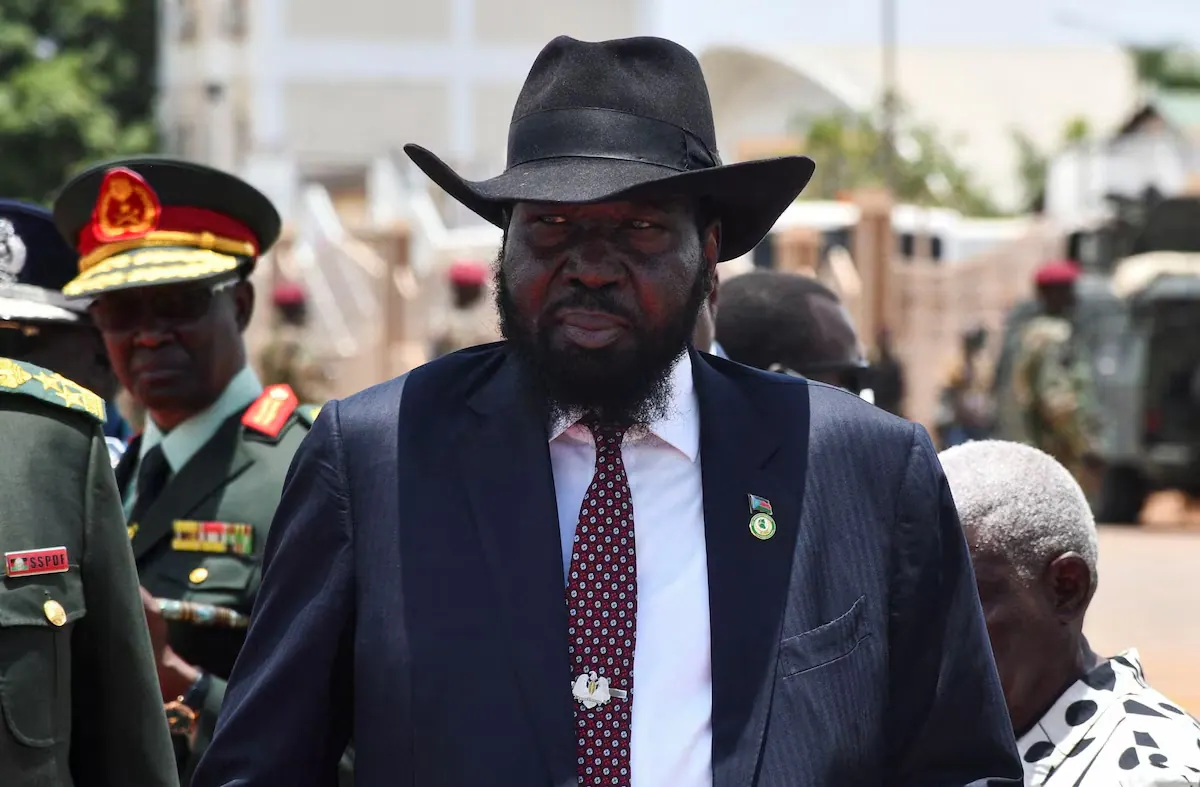
On Tuesday, September 23, 2026, President Salva Kiir of South Sudan dissolved the transitional government, a move aimed at advancing the country's delayed election plans. This decision comes after Kiir signed amendments to election laws, removing requirements to complete a permanent constitution and a national census before a vote. The transitional arrangements in South Sudan were established under a 2018 peace deal, following years of conflict.
The amendments to the National Elections Act, passed by parliament on Monday and signed into law by Kiir on Tuesday, allow the incumbent executive leadership to remain in office with full constitutional powers through the election period. This change enables the current government to continue functioning until a newly elected president takes office. The country is now entering a critical phase of election preparations, although voter registration has yet to begin.
The dissolution of the transitional government and the signing of the amended election laws are significant steps towards holding elections in South Sudan. However, the country's main opposition leader, Riek Machar, who leads the SPLM-IO, has been under house arrest since March 2025 and is on trial on charges including treason and murder. Machar denies these charges. His arrest and trial have raised concerns about the inclusivity and fairness of the upcoming elections.
The amended law also reduces the size of the National Legislative Assembly from 650 members to 270 and state assemblies from 100 seats to 58. Additionally, legislative councils in administrative areas will have 20 members. These changes aim to streamline the electoral process, but their impact on the representation of various groups and interests remains to be seen.
Last week, President Kiir replaced the head of the elections commission without giving a reason. This move has sparked concerns about the independence and impartiality of the electoral process. The international community, including the African Union, has been closely monitoring the situation in South Sudan, urging the government to ensure a peaceful and transparent electoral process.
The delay in holding elections has been a major challenge in South Sudan's transition to stability and democracy. The country has faced repeated delays in implementing key benchmarks, including the completion of a permanent constitution and a national census. The current developments suggest that the government is committed to moving forward with the elections, but many hurdles remain.
The situation in South Sudan remains complex, with ongoing challenges related to security, humanitarian assistance, and the reconciliation process. The international community continues to play a crucial role in supporting the country's transition. The United Nations, for example, has been actively involved in peacekeeping and humanitarian efforts in South Sudan.
Key points
- President Salva Kiir dissolved the transitional government of South Sudan on September 23, 2026.
- The dissolution paves the way for delayed elections by removing key requirements.
- The incumbent executive leadership will remain in office with full powers during the election period.