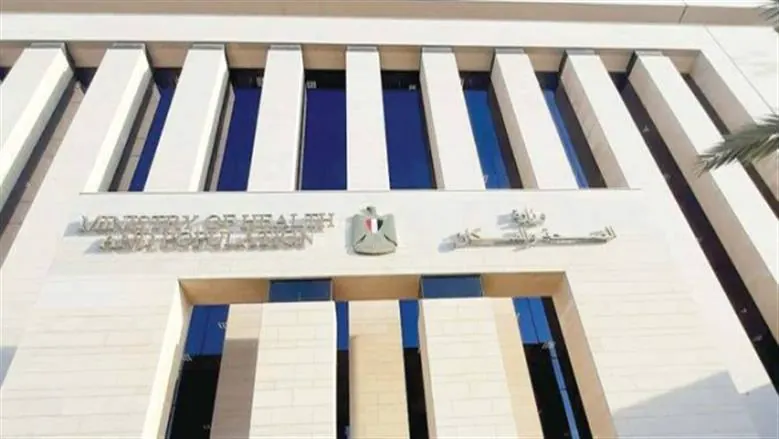
Egypt's Ministry of Health and Population has identified groups that should avoid receiving the seasonal flu vaccine as winter approaches and respiratory virus infections rise. The ministry emphasizes the importance of understanding one's health status before getting vaccinated. According to the ministry, individuals who have previously experienced a severe or life-threatening allergic reaction to a previous flu vaccine dose or its components should not receive the vaccine.
The Health Ministry stresses that it is crucial to inform healthcare providers about any previous severe allergic reactions to vaccines. This allows healthcare professionals to assess the individual's condition and determine whether it is safe for them to receive the vaccine. The ministry also notes that having a general allergy does not necessarily mean that a person cannot receive the flu vaccine, as recommendations vary depending on the type and severity of the allergy and vaccine components.
The ministry advises that mild illnesses, such as minor colds, do not necessarily preclude individuals from receiving the flu vaccine. However, if a person has a moderate or severe acute illness, vaccination may be postponed until their condition improves, as evaluated by a doctor. This approach ensures that individuals receive the vaccine when it is safe and effective.
The Health Ministry reassures the public that the seasonal flu vaccine does not cause influenza. Some individuals may experience mild side effects, such as pain or redness at the injection site or fatigue, but these symptoms are usually temporary. The vaccine is an essential tool for preventing influenza and its complications, particularly among high-risk groups.
The ministry identifies high-risk groups that should prioritize receiving the flu vaccine, including older adults, children within eligible age groups, pregnant women, individuals with chronic diseases, and those with weakened immune systems. By vaccinating these groups, the ministry aims to reduce the risk of severe illness and complications from influenza.
Before receiving the flu vaccine, the Health Ministry advises individuals to inform their healthcare providers about any chronic diseases, allergies, or previous severe reactions to vaccines. This information enables healthcare professionals to provide safe and suitable vaccination. The ministry also emphasizes the continued importance of adhering to preventive measures, maintaining personal hygiene, and following health guidelines.
The seasonal flu vaccine is a critical preventive measure during the flu season. By taking this step, individuals can protect themselves and contribute to public health efforts to mitigate the spread of influenza. The ministry encourages eligible individuals to receive the vaccine and follow recommended health practices to minimize the risk of infection and complications.
Key points
- The Egyptian Health Ministry has identified groups that should avoid the seasonal flu vaccine, including those with severe allergies to previous vaccine doses or components.
- The ministry advises individuals with mild illnesses, such as minor colds, that they can still receive the flu vaccine.
- High-risk groups, including older adults, children, pregnant women, and individuals with chronic diseases, should prioritize receiving the flu vaccine to prevent severe illness and complications.