South Sudan's parliament has passed amendments to the election law, allowing the incumbent president to remain in office with full constitutional powers throughout the election period. The changes, signed into law by President Salva Kiir, also empower him to relieve the first vice president and other vice presidents and dissolve the transitional government within three months of the December 22 election.
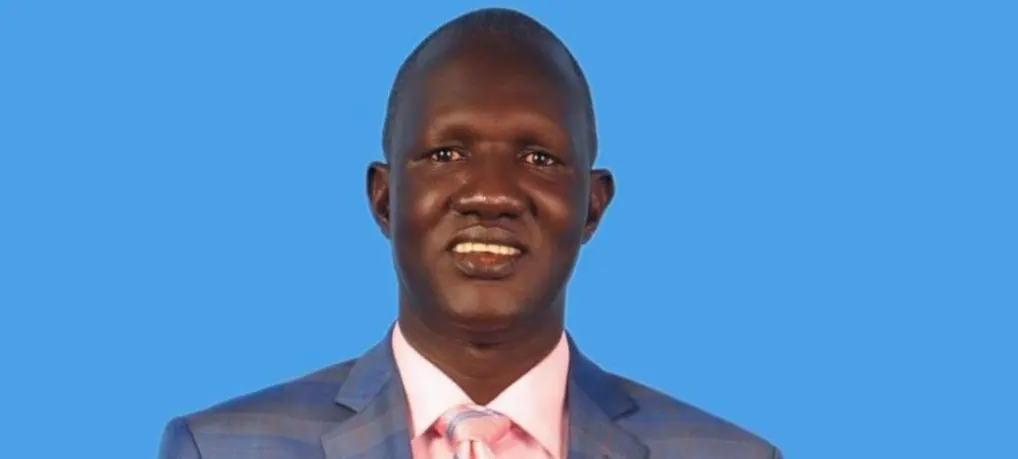
The move has been described as a "parliamentary coup" by political analyst Abraham Awolich, who argues that it undermines the power-sharing structure established by the 2018 peace agreement. The agreement brought opposition leader Riek Machar and other political groups into government. Awolich, a former managing director of the Sudd Institute, expressed concerns about the implications of the changes.
The amended law provides that the president will remain in office throughout the election period until an elected president assumes office. It also removes previous links between elections, the permanent constitution-making process, and a national census. The 2018 Revitalized Agreement on the Resolution of the Conflict in South Sudan established a power-sharing transitional government and provided for elections as part of a transition towards a permanent constitutional order.
Awolich argued that the latest changes are part of a broader process of weakening or abandoning the 2018 peace agreement. He said the government had bypassed important preparatory processes, including the permanent constitution and census, which were intended to provide a broader political and institutional foundation for elections.
The analyst also questioned the constitutional basis for allowing the president to remain in office while removing the vice presidents. Under the 2018 peace agreement, the executive leadership was conceived as a collective "presidency" comprising the president and vice presidents. Awolich argued that if the law requires these offices to be dissolved, then the entire presidency should be dissolved.
Awolich warned that the removal of the vice presidents and the weakening of the transitional arrangements could create a constitutional and security crisis. He also criticised parliament's handling of the legislation, alleging that lawmakers rushed the amendments without sufficient debate and were offered incentives to support the bill.
The analyst called for an inclusive political process involving opposition groups and civil society, rather than a dialogue limited to parties already represented in the transitional government. Awolich expressed concerns that the latest developments could deepen political tensions and increase the risk of confrontation among rival political and armed groups.
Key points
- The changes allow the incumbent president to remain in office with full constitutional powers throughout the election period.
- The move has been described as a "parliamentary coup" by political analyst Abraham Awolich.
- The analyst warned that the changes could create a constitutional and security crisis.