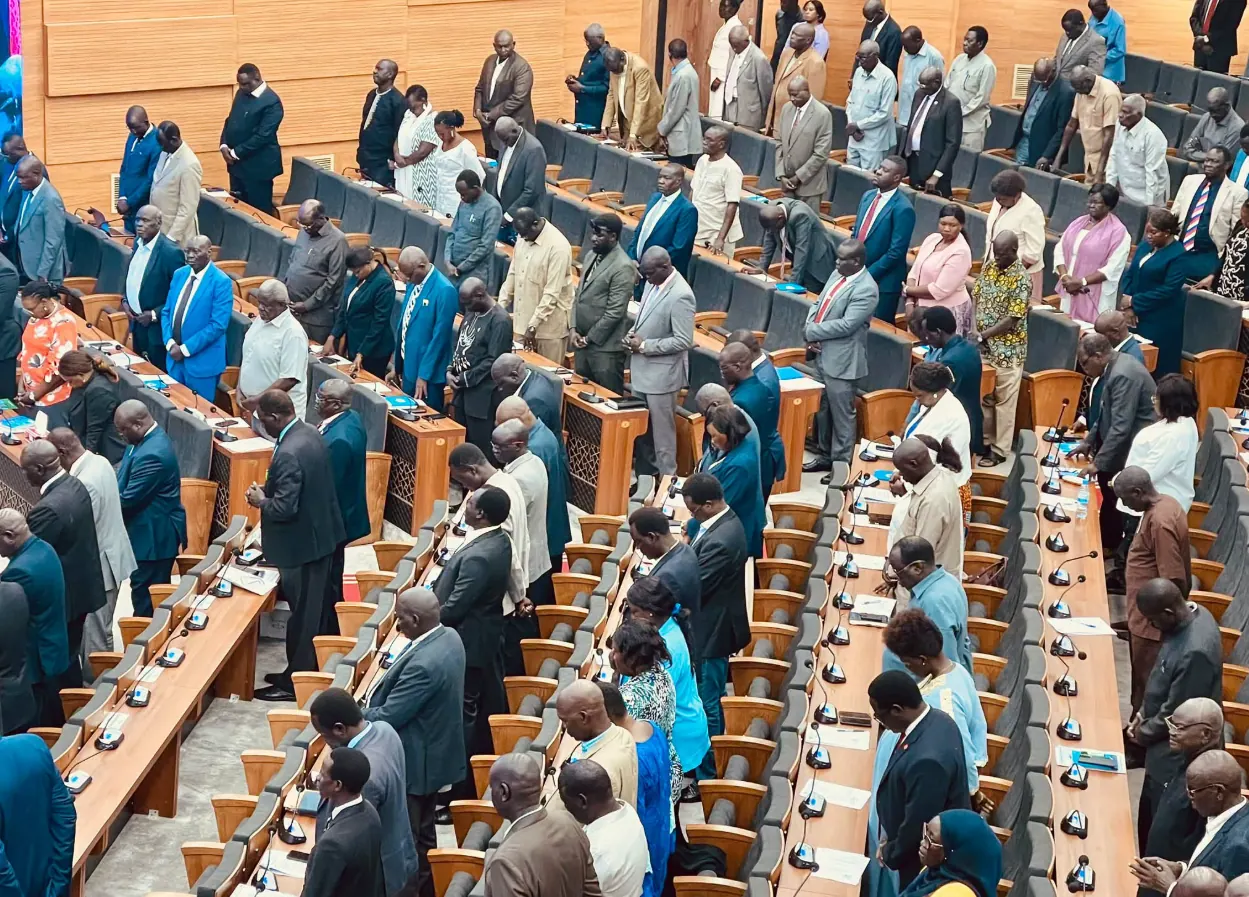
The National Legislature of South Sudan has passed the National Elections Act, 2012 (Amendment) Bill, 2026, paving the way for changes to the country's electoral framework ahead of the planned December 2026 general elections. This development is a significant step towards preparing for the polls, which mark the end of the current transitional period. The bill, passed after consideration by lawmakers, contains provisions governing the powers of the incumbent president and the composition of the next National Legislative Assembly during the election period.
According to the bill, the incumbent president would remain in office with full constitutional powers throughout the election period. This provision ensures continuity in governance as the country prepares for the transition. The proposed law also provides for the removal of the first vice president and other vice presidents from office three months before the scheduled election date. This move is expected to level the playing field for all candidates and ensure a smooth transition of power.
The bill proposes a 332-member National Legislative Assembly for the next elected parliament. Under the proposed arrangement, 50 percent of the seats would be filled by representatives elected from geographical constituencies, while 35 percent would be reserved for women elected through proportional representation from closed party lists. The remaining 15 percent would be allocated to political parties through closed party lists. This allocation aims to ensure representation and inclusivity in the legislative body.
The legislation also provides for additional representation through presidential appointments. The arrangement follows provisions concerning affirmative representation and categories of citizens who may require special representation in the legislature. This move is expected to ensure that all segments of society have a voice in the legislative process.
Earlier provisions of the electoral framework had established the 332-member legislature and the 50 percent geographical constituency, 35 percent women, and the 15 percent party-list formula. The amendments come as electoral institutions and political actors continue preparations for the December polls. The National Elections Commission had previously declared 102 geographical constituencies based on the constituencies used in the 2010 elections.
The passage of the bill is another step in efforts to establish the legal framework for the planned elections, following recent constitutional amendments that removed requirements linking the elections to completion of the permanent constitution-making process and the national population and housing census. This development demonstrates the government's commitment to moving forward with the electoral process.
The electoral changes are expected to shape the structure of the next parliament and the roles of senior government officials during the election period. As South Sudan prepares for the December 22, 2026 elections, the implementation of these amendments will be crucial in ensuring a free, fair, and transparent electoral process. The country's progress towards consolidating democracy will be closely watched by stakeholders and the international community.
Key points
- The National Legislature of South Sudan passes the National Elections Act, 2012 (Amendment) Bill, 2026, ahead of the December 2026 general elections.
- The bill provides for the incumbent president to remain in office with full constitutional powers throughout the election period.
- The proposed law allocates 50 percent of the legislative seats to representatives elected from geographical constituencies, 35 percent to women elected through proportional representation, and 15 percent to political parties through closed party lists.