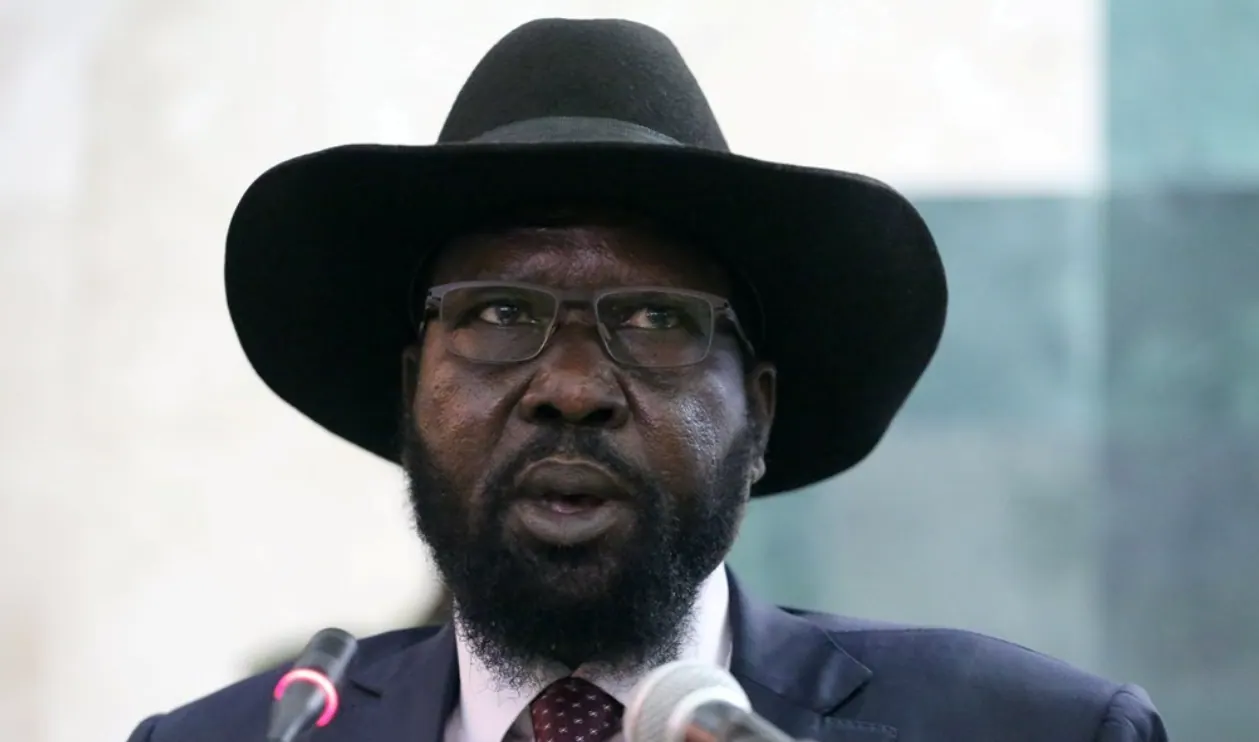
South Sudan's National Legislature has passed the National Elections Act, 2012 (Amendment) Bill, 2026, introducing changes to the conduct of general elections, voter registration, and the composition of national and state legislatures. The legislation, presented by Dengtiel Ayuen Kuur, chairperson of the Committee on Legislation and Legal Affairs, provides that the incumbent president will remain in office throughout the election period with full constitutional powers until the elected president takes over. This move comes as South Sudan prepares for elections scheduled for December 22, 2026.
The bill further provides that, within three months of the election date announced by the National Elections Commission, the incumbent president shall remove the first vice president and other vice presidents in accordance with Article 105(2) of the Transitional Constitution. The presidency, formed in February 2020, comprises President Salva Kiir, First Vice President Riek Machar, and four other vice presidents. The amendment also allows the incumbent president to partially dissolve the national government and make appointments to key government positions.
The National Elections Commission will establish high committees and appoint their heads and members, with each committee comprising five members, including a state returning officer. Prisoners will be given the right to participate in elections or referendums in accordance with the law. The voter register must be made public at least six months before an election to allow registered voters to check its accuracy. The commission will open voter registration within 60 days of the notice of a general election for a period of at least 15 days.
The amendments set the nomination period between 90 and 60 days before polling. The commission will publish the nomination dates through the official gazette or two newspapers with nationwide circulation, as well as on its website and through electronic media. The election commission will determine and announce the election campaign period, which cannot exceed 45 days and must end one day before polling. Voting rights will be extended to South Sudanese nationals living outside the country who hold valid South Sudanese passports and meet the requirements for registration in the electoral register.
The National Legislative Assembly will comprise 332 members, with 50% elected to represent geographical constituencies, 35% through proportional representation from women's closed party lists, and 15% through proportional representation from closed party lists. The Act also provides for 66 appointed members representing veterans, organized forces, minorities, and persons with special needs. Debate over the size of government and unemployment was a significant aspect of the discussions, with Minister of Parliamentary Affairs Michael Makuei Lueth arguing that reducing the size of government institutions is necessary to address unemployment.
During the debate, Makuei called on lawmakers to prioritize the public interest over protecting their own positions. He pointed to the size of the transitional government, citing five vice presidents, 35 ministers, 10 deputy ministers, and numerous commission and committee chairpersons. However, Paul Joseph Agau, a lawmaker representing Yirol West in Lakes State under the National Democratic Movement (NDM), rejected Makuei's argument, accusing him of misleading the public and parliament.
The bill's provision allowing the incumbent president to remain in office with full constitutional powers while requiring the first vice president and other vice presidents to leave office three months before polling has emerged as one of its most consequential provisions. The National Elections Commission has confirmed December 22, 2026, as the election date. The proposed changes aim to prepare the country for the upcoming elections, following repeated extensions of the country's transitional period.
Key points
- The incumbent president will remain in office throughout the election period with full constitutional powers.
- The bill provides for changes to the administration of elections at state and administrative-area levels.
- The National Legislative Assembly will comprise 332 members, with 50% elected to represent geographical constituencies.