The government of South Sudan is required to contribute $9 million to support efforts to combat malaria, tuberculosis (TB), and Human Immunodeficiency Virus (HIV) under the Global Fund Grant Cycle 8. This contribution is a condition for receiving $129 million to fight the three diseases over the next three years. The funds will be used to implement programs aimed at reducing the prevalence of these diseases in the country.
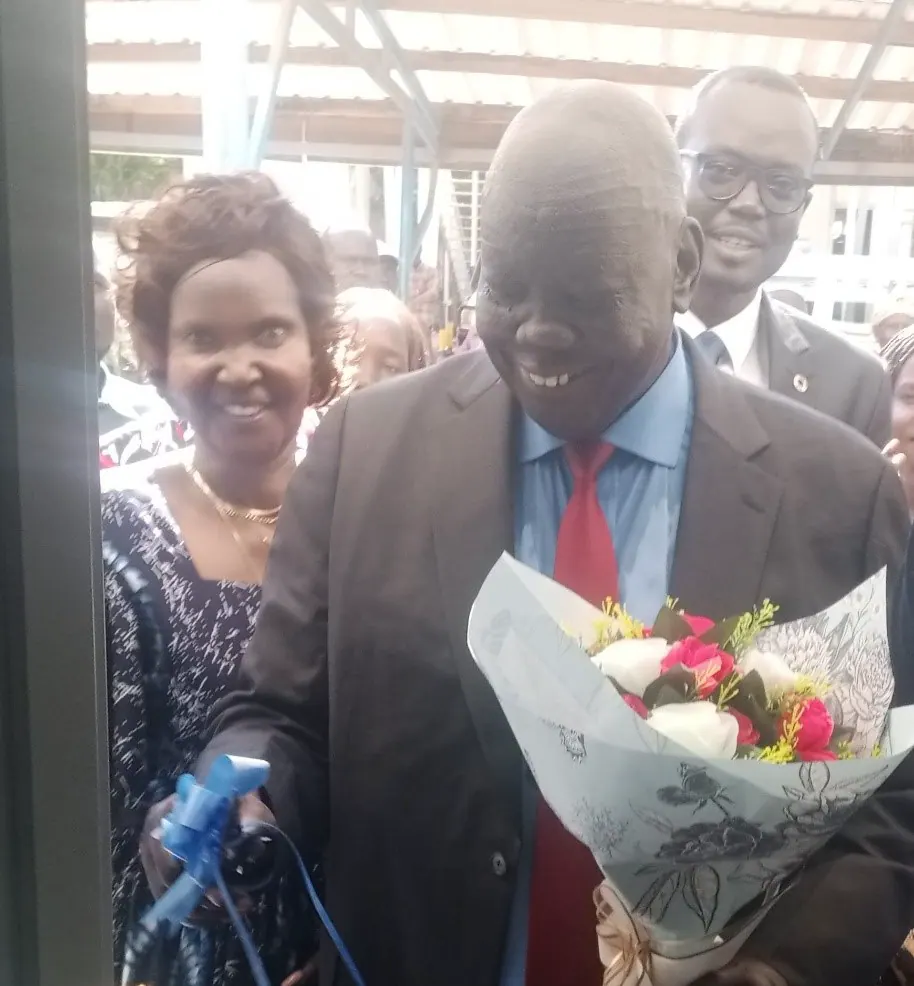
The Deputy Chairperson for the Country Coordination Mechanism, Marial Cuir, disclosed this information during a reception ceremony for the newly appointed Caretaker Minister of Health, Dak Duop Bichiok. According to Marial, the Country Coordination Mechanism is mandated to mobilize resources from the Global Fund to combat the three major diseases. The ministry of Health is leading the co-financing efforts, and the funds will be managed by different agencies, including the UNDP and UNICEF.
Caretaker Minister of Health, Dak Duop Bichiok, has pledged to work closely with health partners to improve the health and well-being of the people of South Sudan. He emphasized that the ministry is responsible for protecting and improving the health of citizens and ensuring that quality health services are accessible across the country. Bichiok's appointment comes at a critical time when the country is facing significant health challenges.
The World Health Organization (WHO) has expressed its commitment to supporting the health sector in South Sudan. According to Moses Ongom, the officer in charge for the WHO, the health landscape in the country requires close collaboration to ensure that health services reach all areas. The WHO is ready to co-design and support sustainable long-term interventions to improve public health outcomes in South Sudan.
The Undersecretary for the national Ministry of Gender, Child and Social welfare, Adeng Andrew Malual, has urged the national ministry of health to prioritize maternal and newborn health across the country. Malual emphasized that essential services should not be concentrated in urban centers, and communities elsewhere should have access to basic care. He called for strengthening primary health care, outreach, and mobile services.
Tolbert Geewleh Nyenswah, the Country Director for the Africa Centres for Disease Control and Prevention (Africa CDC), has stated that the continental public health agency is expanding its partnerships to strengthen collaboration at the continental level. Africa CDC is committed to supporting South Sudan in preparing to respond to diseases and other priority health issues. The agency will provide support in areas such as disease surveillance and laboratory capacity building.
The implementation of the Global Fund Grant Cycle 8 is expected to have a significant impact on the health sector in South Sudan. With the support of partners, the country aims to reduce the prevalence of HIV, TB, and malaria and improve the overall health and well-being of its citizens. The government's contribution of $9 million is a critical component of this effort.
Key points
- South Sudan is required to contribute $9 million to combat HIV, TB, and malaria under the Global Fund Grant Cycle 8.
- The Country Coordination Mechanism is mandated to mobilize resources from the Global Fund to fight the three major diseases.
- The implementation of the grant is expected to improve public health outcomes in South Sudan.