The Ministry of Finance and Planning and the African Development Bank (AfDB) launched the project in Juba on Tuesday, advancing a cross-border connection designed to link the capital to Uganda’s electricity grid. This project is part of East Africa’s Power Pool integration, with AfDB reiterating its support for South Sudan’s efforts to import power from Uganda. The connection is expected to allow South Sudan to buy electricity generated in Uganda rather than rely as heavily on diesel-powered supply.
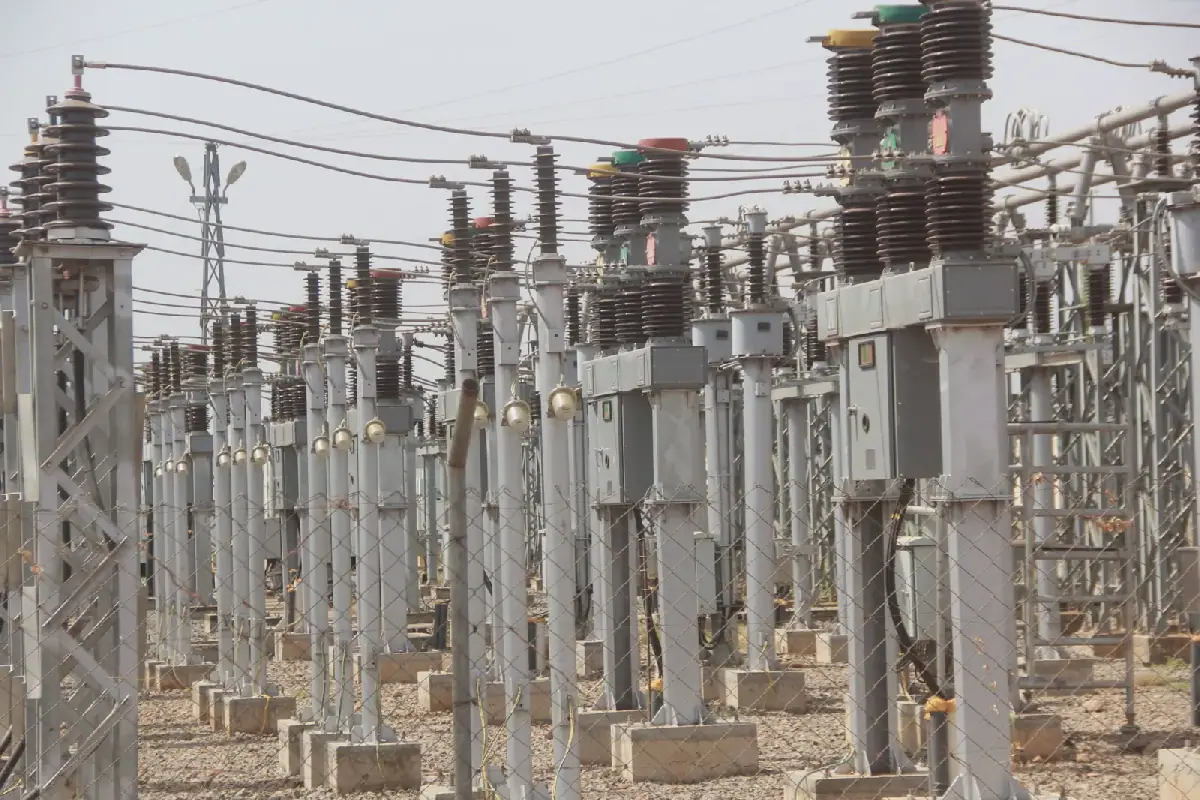
The project involves a 299-kilometre, 400-kilovolt transmission line between Gumbo, near Juba, and Olwiyo in northern Uganda, passing through Nimule. It also includes new substations, upgrades to existing facilities and distribution networks intended to extend electricity access to consumers. Once operational, the infrastructure is expected to enable an average annual exchange of 624 gigawatt-hours of electricity between the two countries and improve access for about 286,710 people in South Sudan.
The project has been under development since the two countries signed a memorandum in 2015. Its implementation is coordinated by the Nile Equatorial Lakes Subsidiary Action Program, part of the Nile Basin Initiative, with financing from development partners and the two governments. The African Development Fund approved $153.66 million for the project in December 2024, including a $119.21 million loan for Uganda and a $32.50 million grant for South Sudan.
A further $1.95 million grant was allocated to the Nile Basin Initiative. The European Union is providing a €48.93 million grant for South Sudan, while Uganda has committed matching funds. The ministry put the project’s cost at $267 million, higher than the $260 million estimate published by the African Development Fund. The ministry did not explain the difference.
Electricity imported from Uganda was commissioned in Nimule earlier this year, marking an initial step towards extending the connection to Juba and other major towns. The wider project is expected to support economic development in both countries. Speaking at the launch, Undersecretary for Planning Benjamin Ayali Koyongwa thanked the AfDB and other development partners for their continued cooperation with the government.
AfDB representative Fouzia Haji said electricity was important for households and businesses and that the project was expected to support economic development in both countries. The project is designed to enable South Sudan to reduce reliance on expensive diesel generation and improve power supply to homes and businesses. Uganda, in turn, gains another market for its available electricity.
The launch of the project marks a significant milestone in the efforts of South Sudan to improve its power supply. With the support of development partners, the government aims to extend electricity access to more consumers and promote economic development. The project is expected to have a positive impact on the lives of thousands of people in South Sudan.
Key points
- The project involves a 299-kilometre transmission line and upgrades to existing facilities.
- The project is expected to enable an average annual exchange of 624 gigawatt-hours of electricity between the two countries.
- The project aims to improve access for about 286,710 people in South Sudan.