South Sudan has been plunged into uncertainty following President Salva Kiir's decision to dissolve the national government. The move comes ahead of proposed elections in December 2026. Parliament has granted President Kiir authority to lead a lean caretaker administration for three months. The decision has raised concerns about the country's stability and the potential for a domestic crisis. President Kiir's health has been declining, and his recent address to the Council of Ministers showed him struggling to read full sentences.
President Kiir's health has become a central issue in the country's politics. His declining health has raised questions about his capacity to manage national affairs. In contrast to his past public appearances, the President's recent address showed him to be less alert and composed. The secrecy surrounding his health has led observers to speculate about the role of an unelected inner circle in managing state affairs. This has sparked concerns about the potential for mismanagement of the transition and the risk of chaos.
The transition from a collective liberation struggle to an autocratic system has disillusioned the South Sudanese public. The presidency has taken on the characteristics of a family-run monarchy. The President's son is in charge of the elite Tiger Division, while his brother-in-law holds a significant position in the security sector. The President's daughter serves as his special envoy, and numerous close relatives and family members hold key portfolios throughout the government.
The 2018 peace agreement, which had served as the supreme law of the land, has been effectively violated by President Kiir's administration. The agreement's main architect, Dr. Riek Machar, was placed under house arrest. With the government dissolved, the administration faces two possible scenarios regarding its democratic legitimacy. The first scenario involves a restricted presidential election in December 2026, which would likely lack international recognition. The second scenario involves canceling the elections altogether, which would render the caretaker government illegitimate.
The abrupt downsizing of the government without a cohesive national plan is expected to trigger a new wave of political opposition. This opposition is likely to emerge from within Juba and be multi-ethnic and geographically unified. The internal opposition and external rebel groups may unite indirectly toward a singular goal: regime change. This convergence could lead to a brutal and bloody confrontation with state security.
The dynamics of conflict in South Sudan may be shifting. Past conflicts were often divided along ethnic lines, but the new internal opposition is expected to be multi-ethnic. Advocates for change emphasize that true liberation requires moving past tribal affiliations and embracing the nation's diversity as its primary strength. The international community, including regional bodies like the Intergovernmental Authority on Development (IGAD) and the African Union, may need to intervene to prevent the country from sliding into comprehensive civil war.
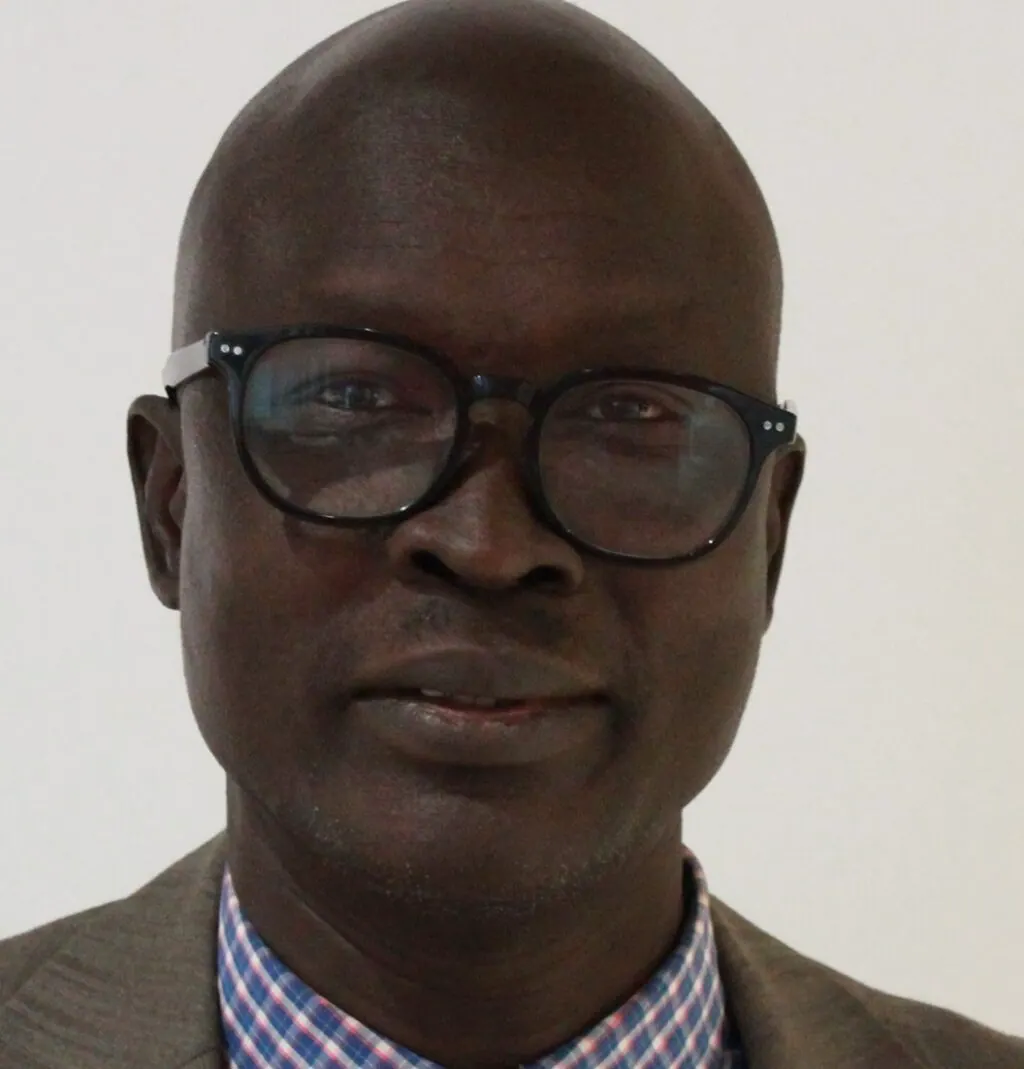
The writer of the opinion piece, Dr. Gak Deng Woul, a South Sudanese researcher and political analyst based in Australia, emphasizes that navigating this critical juncture will depend heavily on the unity of the South Sudanese people. They must reject manufactured tribal divides, preserve national cohesion, and demand a transition toward transparent governance. The country's future hangs in the balance as it heads down a perilous path toward structural collapse.
Key points
- President Salva Kiir's health concerns and declining capacity to manage national affairs have raised questions about his leadership.
- The transition from a collective liberation struggle to an autocratic system has disillusioned the South Sudanese public.
- The international community may need to intervene to prevent the country from sliding into comprehensive civil war.