South Sudan's Minister of Justice and Constitutional Affairs, Ruben Madol Arol, has presented a bill to the Transitional National Legislative Assembly to amend the National Elections Act of 2012. The proposed changes aim to address inconsistencies in the current law and align it with the Transitional Constitution of the Republic of South Sudan. This move is part of the country's preparations for the anticipated elections scheduled for December 22, 2026.
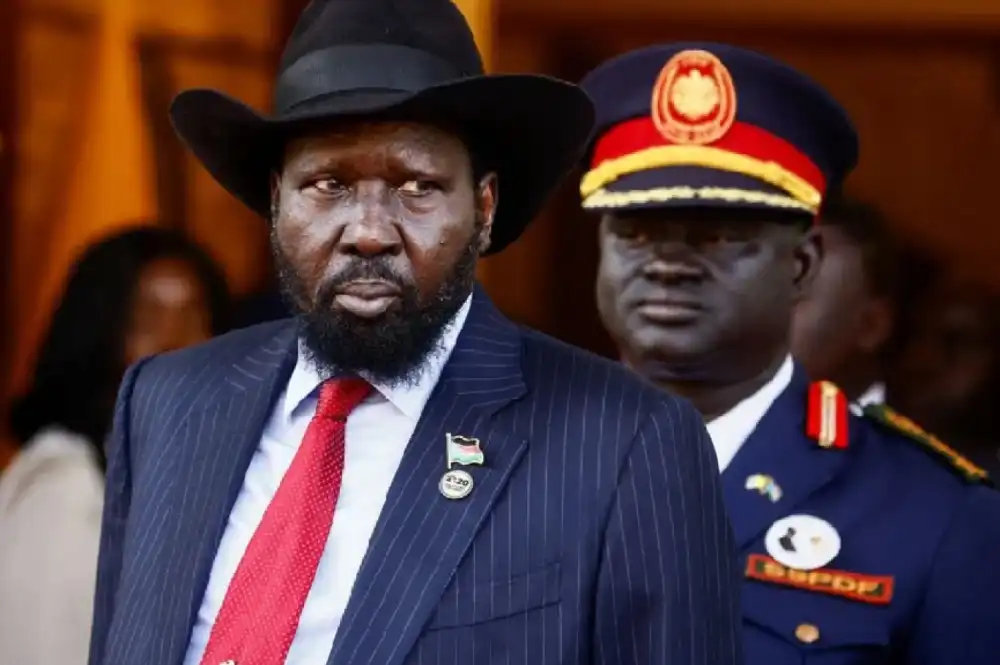
The bill, which has been submitted for its first reading, proposes that the incumbent president, Salva Kiir, remain in office with full powers and constitutional authority throughout the electoral period. In contrast, the terms of the First Vice President and other vice presidents would conclude three months prior to the scheduled polls. This arrangement is part of the government's efforts to ensure a smooth transition of power.
The proposed bill also outlines the structure and composition of the future elected parliament. The assembly would consist of 332 members, with seats allocated according to specific ratios: 50% for geographical constituencies, 35% for women, and 15% for party lists. This arrangement aims to ensure representation and diversity in the parliament.
The Council of Ministers approved the proposed amendments to the electoral law on September 11. The amendments include a return to the 102-constituency system previously adopted for the 2010 elections. This change is expected to facilitate the electoral process and ensure that all citizens have a voice in the polls.
The bill is currently under discussion and scrutiny at various legislative stages within the parliamentary chambers. If adopted, it will pave the way for the country's first elections since the formation of the transitional government in 2019. The elections are seen as a crucial step towards consolidating peace and stability in the country.
According to Oliver Mori Benjamin, the official spokesperson for the Transitional National Legislative Assembly, the bill aims to ensure the legal integrity of the electoral process. The proposed changes are expected to address any inconsistencies in the current law and provide a clear framework for the elections.
The adoption of the bill is seen as a significant step towards the successful conduct of the 2026 elections. The country's electoral commission is working to ensure that all necessary preparations are in place for the polls, which are expected to be a major milestone in South Sudan's transition to a permanent constitution and a democratically elected government.
Key points
- The bill proposes that President Salva Kiir remain in office with full powers and constitutional authority throughout the electoral period.