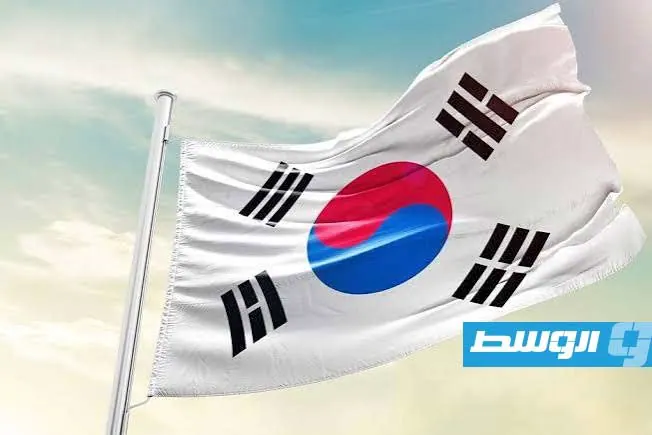
The South Korean Ministry of Foreign Affairs summoned the Ukrainian chargé d'affaires, Andrii Vieshkin, on Monday, September 28, 2026, to express deep concern over Ukraine's transfer of two North Korean prisoners of war to its territory. First Deputy Foreign Minister Park Yun-jo delivered the message, stressing the government's alarm regarding the situation. This move comes amid delicate diplomatic relations and security concerns in the region.
The transfer of the North Korean prisoners was made public by Ukrainian authorities, sparking immediate reactions from Seoul. South Korea views the move with skepticism, fearing potential repercussions on the fragile peace in the region. The summons of the Ukrainian envoy underscores the gravity with which South Korea regards the situation, emphasizing the need for clear communication and understanding between the two nations.
This development occurs against the backdrop of heightened tensions between global powers, with Russia's President Vladimir Putin cautioning against South Korea's potential supply of arms to Ukraine. During a visit to Vietnam, Putin warned that directly sending lethal weapons to Ukraine would constitute a significant mistake, leaving room for retaliatory measures. South Korea's decision to summon the Ukrainian envoy may be seen as part of a broader diplomatic effort to navigate these complex international relationships.
The situation involving the North Korean prisoners of war and the reactions from South Korea and Russia highlights the intricate web of alliances and rivalries at play in global politics. As nations strive to assert their positions and protect their interests, diplomatic channels remain crucial for preventing misunderstandings and managing crises. The involvement of multiple countries, each with its own strategic priorities, adds layers of complexity to resolving such issues.
The incident has brought attention to the humanitarian and security dimensions of the ongoing conflict in Ukraine and its implications for neighboring countries, particularly those with historical or current tensions with North Korea. South Korea's proactive stance in expressing its concerns demonstrates the country's commitment to safeguarding its national interests and regional stability.
As diplomatic exchanges continue, the international community watches closely, aware that the outcomes could influence not only the relationships between the countries directly involved but also broader global dynamics. The situation serves as a reminder of the interconnectedness of international politics and the importance of clear communication and cooperation in addressing shared challenges.
The repercussions of this diplomatic spat and the ultimate resolution of the issue regarding the North Korean prisoners of war remain to be seen. What is clear, however, is that the incident has underscored the need for vigilance and proactive diplomacy in managing international relations, especially in regions fraught with historical tensions and security concerns.
Key points
- South Korea expressed deep concern over Ukraine's transfer of two North Korean prisoners of war to its territory.
- The situation is complicated by Russia's warning against South Korea supplying arms to Ukraine.
- Diplomatic efforts are crucial in managing the crisis and preventing further escalation.