The Mershing locality in South Darfur, Sudan, is experiencing worsening humanitarian and economic conditions due to a sharp decline in agricultural production. The decline is attributed to insufficient rainfall, shrinking cultivated areas, and encroachments on farmland. The local executive director, Oqba Abdel Hamid, warns that the near-total failure of the summer harvest is threatening residents' livelihoods, as families move towards displacement areas in search of assistance.
Abdel Hamid explains that Mershing is an agricultural locality whose economy depends on both summer and winter crops, as well as gardens and fruit and vegetable orchards. However, production during the current summer season has been extremely limited, after many farmers abandoned cultivation while others moved to different areas in search of better conditions. He estimates that only between 40 and 50 per cent of the farmers who normally cultivate their land each year entered this year's agricultural season.
The local official attributes the decline in agricultural activity to insufficient rainfall and economic difficulties, as well as farmers' fears of repeated encroachments on agricultural land by herders. He says these factors have driven some residents to abandon farming or move elsewhere. He adds that these circumstances have had a direct impact on the harvest, which he describes as virtually non-existent during the current summer season, at a time when residents' needs for food and humanitarian assistance are increasing.
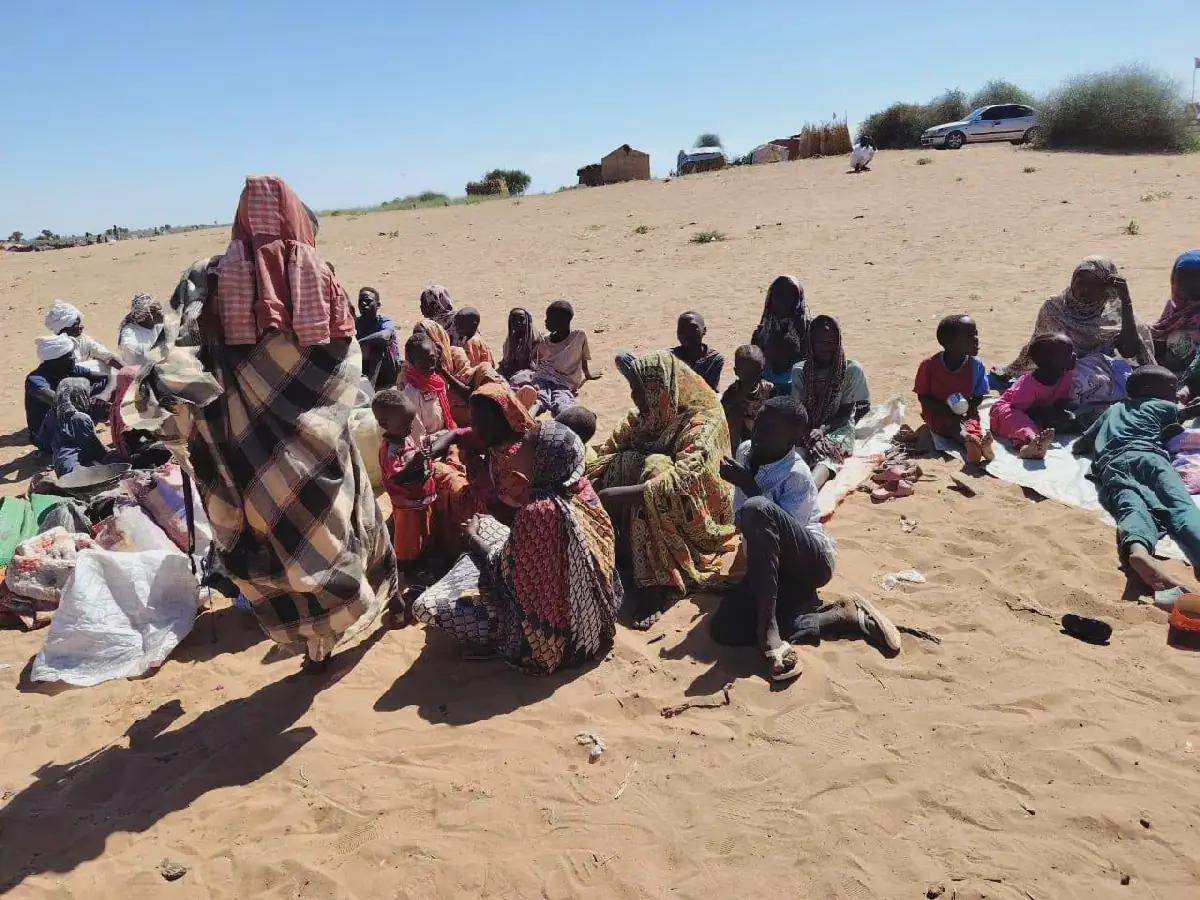
Families from the locality have been moving towards displacement areas, particularly Tawila and Shangil Tobaya. Abdel Hamid reports that some families have been influenced by what he describes as misleading campaigns promoting the availability of humanitarian assistance in other areas. He estimates that between 30 and 40 families have travelled to Tawila recently. He also points out that earlier movements towards Shangil Tobaya resulted in large numbers of families returning after discovering that conditions there did not match the expectations created before their departure.
Abdel Hamid criticises intermediaries for exploiting residents' needs, saying some families incur substantial travel expenses only to find that the conditions and assistance promised to them are unavailable upon arrival. He adds that the poorest and most vulnerable families are not necessarily those leaving. Some of the families who have departed had sufficient financial resources to cover transport costs, which he says can reach SDG 100,000 per passenger.
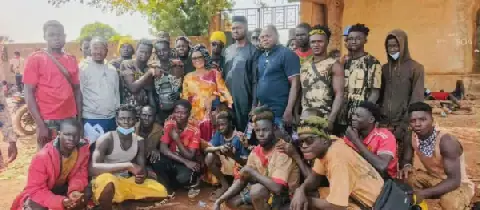
The local administration is working with organisations and contacting them to secure assistance and services. Abdel Hamid says the locality began engaging with humanitarian organisations and relevant authorities about two weeks ago to secure urgent interventions, amid declining agricultural production and growing needs among residents. A delegation comprising representatives of displaced people and newly displaced families, native administration leaders, community elders, young people, students, and women held meetings with relevant authorities at state level to present the locality's needs.
The local administration is working to expand health, water, and education services. On healthcare, Abdel Hamid announces that the number of functioning health centres in the locality has increased from four to eight. They are administered through the Ministry of Health, alongside centres providing child nutrition services. The locality has received medicines for emergency cases, children, and malaria, and training programmes for healthcare workers are also under way in cooperation with the Ministry of Health and humanitarian organisations.
Key points
- Insufficient rainfall and encroachments on farmland have led to a sharp decline in agricultural production in Mershing locality.
- The local administration is working to expand health, water, and education services to address growing needs among residents.
- Families are moving towards displacement areas in search of assistance due to the near-total failure of the summer harvest.