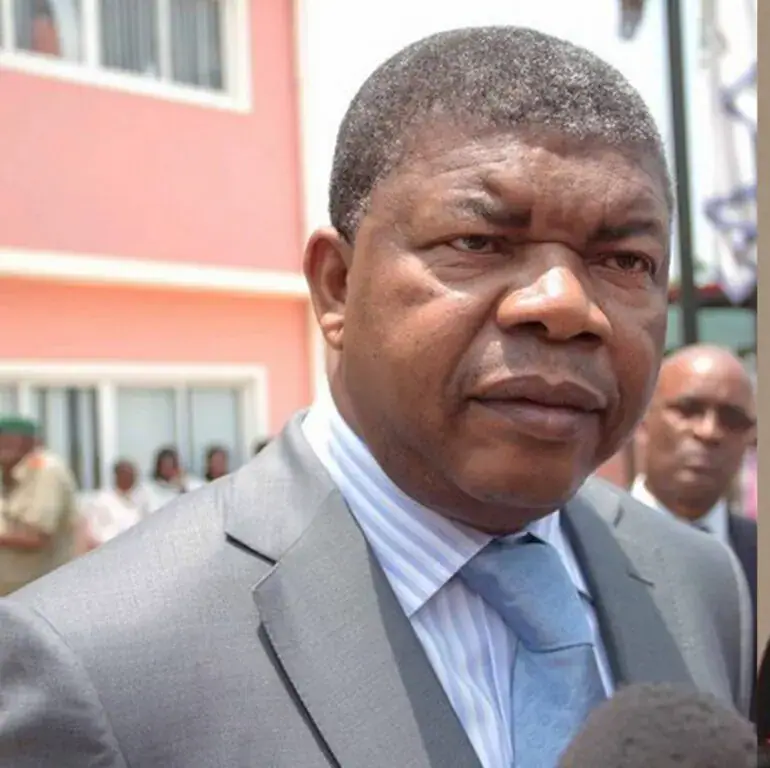
The debate in Angola today revolves around the legacy of President João Lourenço, who has been accused of promoting corruption during his tenure. Despite his initial efforts to combat corruption, Lourenço's administration has been criticized for awarding lucrative contracts to companies linked to his allies. This has led to widespread discontent among the Angolan people, who are demanding greater transparency and accountability in governance.
In 2018, Lourenço, as president of the MPLA, stated that those who had committed crimes or were known for their corrupt practices would be held accountable. However, his own administration has been accused of perpetuating corruption. The issue of corruption is likely to be a major challenge for Lourenço's successor, who will need to demonstrate a commitment to transparency and accountability.
The pressure exerted by Lourenço's government on his predecessor, José Eduardo dos Santos, has been well-documented. Lourenço used the state machinery to isolate dos Santos and his family, ultimately leading to dos Santos' resignation as MPLA president. Dos Santos passed away in July 2022, and Lourenço's government has been accused of hastening his demise.
The process of accepting Lourenço's successor will likely involve scrutiny of the numerous contracts awarded through direct adjudication over the years. Lourenço has awarded more direct adjudications than his predecessor, dos Santos, in the same period. Companies that have benefited from these contracts include Omatapalo, Grupo MCA, Gemcorp Capital, Grupo Mitrelli, Grupo Carrinho, and Grupo Opaia.
The Angolan people have not forgotten Lourenço's decision to appoint his daughter to the BODIVA institution, which has been accused of mismanaging state assets. This move has been seen as a clear example of nepotism and cronyism. As Lourenço considers his succession, he is reportedly discussing two possible solutions: appointing a candidate who is loyal to him or allowing a more independent candidate to take over.
Any candidate who succeeds Lourenço will need to address the issue of corruption and demonstrate a commitment to transparency and accountability. Failure to do so may result in widespread discontent and protests. The Angolan people are demanding greater accountability and transparency in governance, and Lourenço's successor will need to respond to these demands.
Ultimately, Lourenço's legacy will be defined by his ability to address the issue of corruption and promote transparency and accountability in governance. His successor will need to build on his initial efforts to combat corruption and demonstrate a commitment to serving the interests of the Angolan people.
Key points
- Lourenço's administration has been criticized for promoting corruption and cronyism.
- The issue of corruption is likely to be a major challenge for Lourenço's successor.
- Lourenço's successor will need to demonstrate a commitment to transparency and accountability to gain popular approval.
Reporting sources
- João Lourenço – “O Ás de Copas” – Coque Mukuta · Hold On Angola