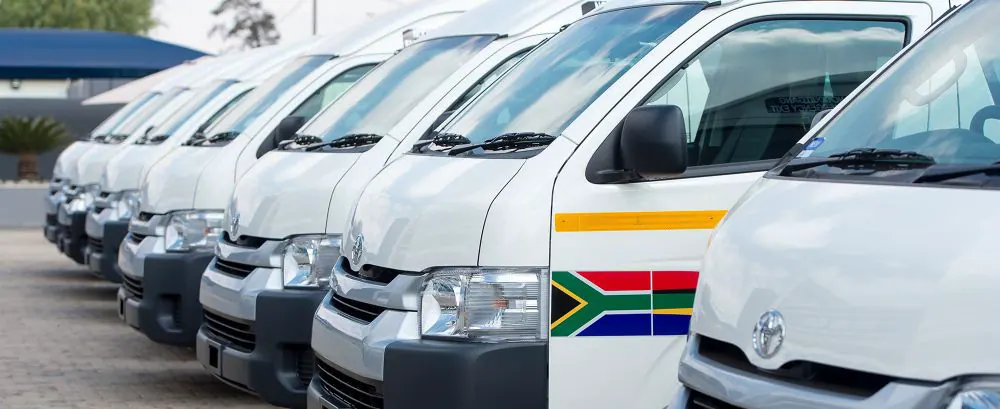
The South African taxi industry is under growing pressure from rising fuel and operating costs, which may lead to higher fares for commuters. According to SANTACO spokesperson Mmatshikhidi Rebecca Phala, individual taxi associations will consult with commuters before making any changes to fares. The industry has only implemented one fare increase since fuel prices began rising in March 2026.
The latest Central Energy Fund data points to steep increases in petrol and diesel prices, with 95 Unleaded petrol potentially rising by more than R3 a litre and diesel facing a similar increase. Mineral and Petroleum Resources Minister Gwede Mantashe has stated that there are no immediate plans to cushion households and businesses from rising fuel costs. The department continues to administer fuel prices in a transparent manner as prescribed in legislation.
SANTACO is closely monitoring the situation, but it is too early to say whether taxi fares will increase. Phala said that any decision to increase fares would be made by individual taxi associations based on their operating costs and profit margins. The organisation's Taxi Fare Index generally discourages fare increases of more than 10% at a time, unless conditions become exceptionally difficult.
There is no blanket increase being considered, and any fare adjustment would depend on the circumstances of individual routes. SANTACO-affiliated associations will engage with their respective commuter communities and provide necessary communication ahead of any implementation. The organisation is also calling for an equitable public transport subsidy to help cushion the taxi industry and commuters from rising operating costs.
SANTACO remains open to temporary relief measures from government. The organisation believes that the taxi industry operates within a challenging socio-economic environment, and operators cannot indefinitely absorb escalating fuel, vehicle maintenance, administrative, and other business costs. This may eventually place further pressure on the sustainability of the sector.
The taxi industry is estimated to be worth R100 billion and has faced renewed scrutiny over alleged tax loopholes. SANTACO has countered allegations of tax avoidance, emphasising the need for accurate representation of the sector's tax compliance. The organisation supports SARS's tax-compliance efforts but wants the taxi industry's formalisation and corporatisation process to guide how operators and drivers are brought into the tax net.
As the situation continues to unfold, commuters are advised to remain understanding and sympathetic to the challenges facing the taxi industry during these difficult socio-economic times. SANTACO will engage with commuters and inform them of any fare adjustments should they be introduced. The organisation appeals to commuters to be aware of the challenges and to support the industry in its efforts to provide affordable and reliable transportation.
Key points
- The South African taxi industry is under pressure from rising fuel and operating costs, which may lead to higher fares for commuters.
- SANTACO has not confirmed a blanket fare increase, but individual taxi associations may adjust fares based on their operating costs and profit margins.
- The organisation is calling for an equitable public transport subsidy to help cushion the taxi industry and commuters from rising operating costs.