The South African Reserve Bank (SARB) has increased the repo rate by 25 basis points to 7.25 percent, as announced by the Monetary Policy Committee. This decision comes against a backdrop of global economic uncertainty, with rising geopolitical tensions contributing to inflationary pressures. The committee cited the ongoing conflict in the Middle East and the Russia-Ukraine war as key factors disrupting global supply chains and pushing up inflation risks.
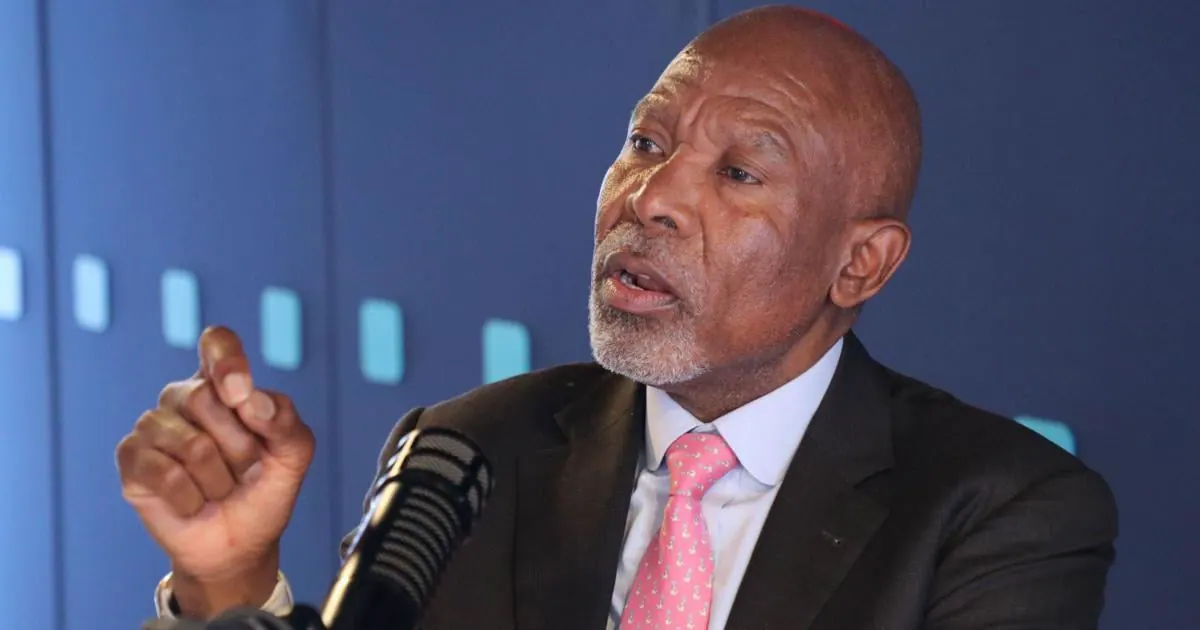
According to SARB Governor Lesetja Kganyago, the decision to hike the repo rate was made with careful consideration of the current economic climate. He noted that the fuel-price shock has intensified, and global interest rates are moving higher. The Reserve Bank has taken a measured approach to rate setting in conditions of high uncertainty, while remaining focused on its price-stability mandate.
The Monetary Policy Committee's decision aims to mitigate the impact of global economic shocks on the South African economy. The ongoing conflicts in the Middle East and Ukraine have created a large and persistent global supply shock, pushing up inflation risks. The SARB is working to maintain price stability and ensure that inflation remains within the target range.
The repo rate hike is the latest move by the SARB to address the challenges facing the South African economy. The bank has been closely monitoring the situation and has taken steps to ensure that the economy remains stable. The repo rate hike will likely have an impact on consumers and businesses, with higher borrowing costs and increased debt servicing costs.
The South African economy has been facing significant challenges in recent times, including high inflation and a slow growth rate. The SARB's decision to hike the repo rate is aimed at addressing these challenges and ensuring that the economy remains stable. The bank will continue to monitor the situation and take steps as necessary to maintain price stability.
The repo rate hike is also expected to have an impact on the South African currency, with the rand likely to strengthen against major currencies. This could have a positive impact on the economy, as a stronger rand can help to reduce inflationary pressures and make imports cheaper.
The SARB's decision to hike the repo rate has been widely anticipated, with many economists predicting that the bank would take action to address the rising inflationary pressures. The bank's move is seen as a proactive step to ensure that the economy remains stable and that inflation remains under control. The SARB will continue to monitor the situation and take steps as necessary to maintain price stability and promote economic growth.
Key points
- The South African Reserve Bank has raised the repo rate by 25 basis points to 7.25 percent amid global economic uncertainty and rising inflationary pressures.