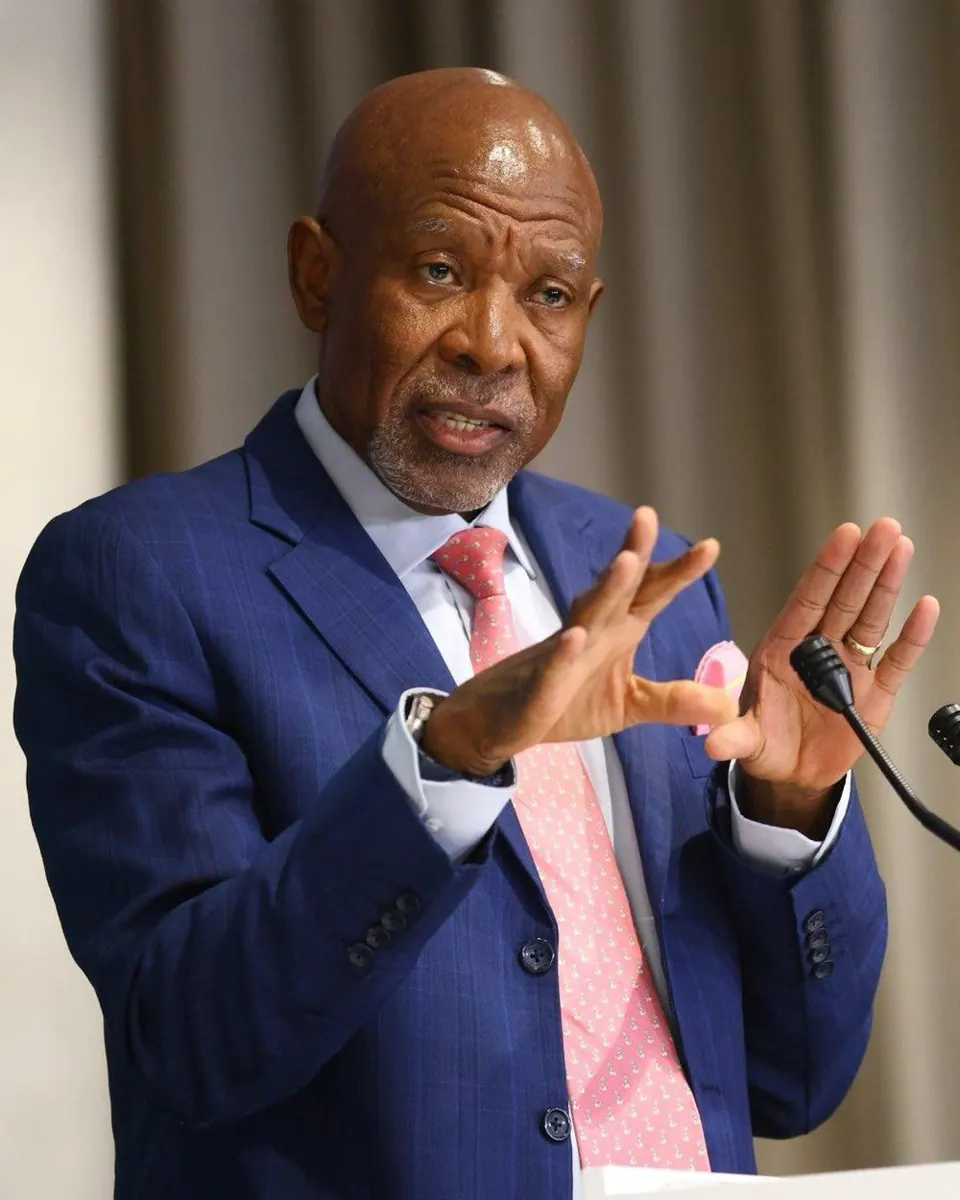
The South African Reserve Bank (SARB) has announced a 25 basis point increase in the prime lending rate, as inflation continues to rise. Governor Lesetja Kganyago stated that the decision was made in response to the upside risk to inflation, citing the recent increase in oil prices and the country's under-recovery. This move is aimed at curbing inflation, which has risen to 4.4% in August from 4.3% in July.
According to Statistics South Africa, the inflation rate edged up to 4.4% in August, driven by increases in housing and transport costs. The SARB governor noted that headline inflation is likely to reach 5% before slowing down to 3% by the end of 2027. The bank's decision to hike interest rates is also influenced by the projected annual growth rate of 1.2% this year, which is expected to improve over the medium term. However, Kganyago warned that growth risks are skewed to the downside.
Economists had mixed views on the interest rate decision, with some predicting a 25 basis-point increase and others expecting the bank to hold off. Investec chief economist Annabel Bishop forecast a 25 basis-point hike, citing the volatility of the oil price and the situation in the Middle East. Standard Bank Group head of South Africa Macroeconomic Research Dr Elna Moolman also predicted a 25 basis-point increase, but noted that this might mark the end of the hiking cycle.
The interest rate hike has implications for heavily indebted households, which have already made adjustments to their finances and have limited flexibility left. René Moonsamy, director at National Debt Counsellors, warned that many households have little room for further adjustments and are at risk of financial strain. The SARB's decision to hike interest rates is aimed at curbing inflation, but it may also impact economic growth.
The SARB governor also highlighted the potential risks of drought pressures from El Niño, which could impact food inflation. Despite food inflation trending lower lately, Kganyago noted that inflation expectations are trending higher. The bank's decision to hike interest rates is aimed at anchoring inflation expectations and maintaining economic stability.
PSG chief economist Johann Els, however, believed that there was enough reason for the Monetary Policy Committee (MPC) to leave rates unchanged, citing inflation trends, lower inflation expectations, and a stable rand. Els noted that the August inflation figure, released earlier in the day, would not have influenced the decision, as the MPC had completed its forecasting and modelling runs the previous week.
The interest rate hike is the second increase this year, following the May hike. The SARB's decision to hike interest rates reflects its commitment to maintaining economic stability and curbing inflation. The bank's projections indicate that inflation will remain a challenge in the coming months, and the interest rate hike is aimed at mitigating these risks.
Key points
- The South African Reserve Bank has raised the prime lending rate by 0.25 percentage points to combat rising inflation.
- Inflation has risen to 4.4% in August, driven by increases in housing and transport costs.
- The interest rate hike has implications for heavily indebted households and may impact economic growth.