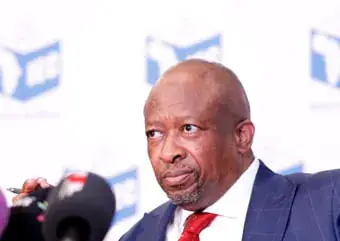
South African President Cyril Ramaphosa addressed the nation on September 30, 2026, with a message of grief and a series of measures aimed at addressing the country's escalating crisis of gender-based violence. The address came weeks after a series of horrific incidents, including the discovery of multiple female bodies in Ekurhuleni. Ramaphosa's speech was marked by a sense of urgency and a recognition of the gravity of the situation.
The President outlined four immediate measures to tackle the crisis. These included a national case-recovery operation on unresolved murders, attempted murders, rapes, and serious sexual offences against women and children. Additionally, he announced an audit of stalled cases, which is due within 60 days, with recovery plans to be implemented within 90 days. A funded plan to reduce forensic backlogs is also to be developed within 60 days.
Ramaphosa's address also highlighted the need for a multifaceted approach to addressing gender-based violence. He emphasized that the crisis requires not only a law enforcement response but also a societal one. The President's message to men, "It is time for good men to stop being silent men," was seen as a call to action for men to take responsibility for preventing and addressing gender-based violence.
However, critics have argued that the President's address lacked concrete actions and tangible results. Many of the measures announced were deadlines for plans, audits, or reports, rather than actual outcomes. The 60-day audits, for example, are due around the time the 16 Days of Activism begin, which may not provide immediate relief to victims.
The President also acknowledged that his government has failed to make significant progress in addressing gender-based violence over the past seven years. He noted that despite a national strategic plan, an emergency response plan, and a council, the crisis persists. Ramaphosa's admission was seen as a recognition of the government's shortcomings and a commitment to doing better.
In response to the crisis, the government has allocated additional resources, including more money for the Family Violence, Child Protection and Sexual Offences Units. The President also cited expanded sexual offences courts and shelters, as well as a strengthened Moral Regeneration Movement. However, critics argue that more needs to be done to address the root causes of gender-based violence.
The effectiveness of the President's plans remains to be seen. The test, according to critics, will be whether the government follows through on its commitments and delivers tangible results. The women of Ekurhuleni, Zeerust, and other affected areas remain vulnerable, and it remains to be seen whether the government's efforts will provide them with the protection and support they need.
Key points
- The South African government has committed to implementing a series of measures to address gender-based violence, including audits, forensic backlog reduction, and legislative action.
- Critics argue that the government's plans lack concrete actions and tangible results, and that more needs to be done to address the root causes of gender-based violence.
- The effectiveness of the government's plans will depend on its ability to follow through on its commitments and deliver tangible results.