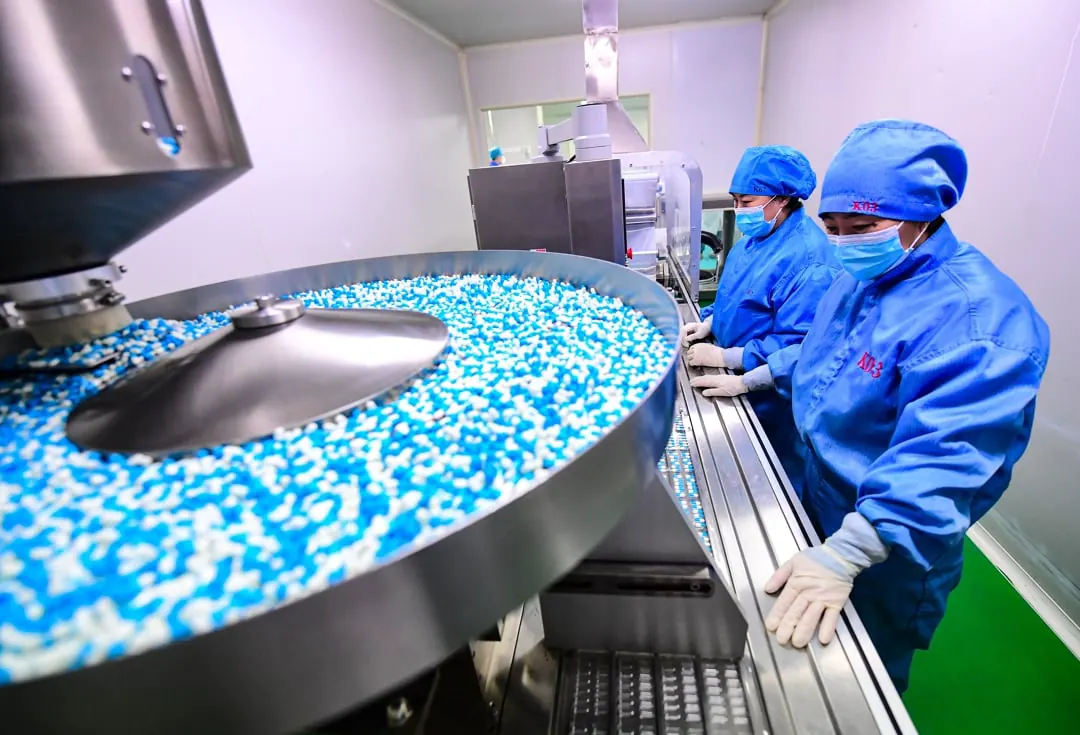
South African pharmaceutical manufacturers have secured a second price increase from the state this year, bringing the total price increase to over 3%, which is above the Reserve Bank's inflation target. This development has significant implications for the healthcare sector, as it may impact the affordability of medicines for patients. The price increases were reportedly influenced by various factors, including production costs and market dynamics.
The price increases have been a subject of discussion among stakeholders, including labor unions and industry players. The industry has been under pressure due to rising costs, including those related to medical funds. Aspen Pharmacare, a major pharmaceutical manufacturer in South Africa, has been in the spotlight recently due to various developments, including labor disputes and concerns about the affordability of its products.
The South African government has been working to regulate the pharmaceutical industry and ensure that medicines are accessible to citizens. The Department of Health has implemented various initiatives aimed at reducing the cost of medicines and improving healthcare services. However, the industry has faced challenges, including supply chain disruptions and manufacturing issues.
The price increases secured by pharmaceutical manufacturers are likely to have a ripple effect on the healthcare sector, including medical aid schemes and patients. The industry has been calling for sustainable pricing models that take into account production costs, research and development, and other factors. The government has been engaging with stakeholders to find solutions to the challenges facing the sector.
The Reserve Bank's inflation target is 3%, and the total price increase secured by pharmaceutical manufacturers exceeds this target. The bank has been monitoring inflation closely and has implemented monetary policies aimed at keeping inflation within the target range. The price increases in the pharmaceutical sector are likely to have implications for monetary policy and the broader economy.
The South African pharmaceutical industry is a significant sector that contributes to the country's economy and healthcare system. The industry has been growing, driven by factors such as innovation, research and development, and an increasing demand for medicines. However, the sector faces challenges, including regulatory hurdles, supply chain disruptions, and pricing pressures.
The developments in the pharmaceutical sector have significant implications for stakeholders, including patients, healthcare providers, and policymakers. The industry is likely to continue to face challenges, including pricing pressures, regulatory changes, and supply chain disruptions. However, the sector also presents opportunities for growth, innovation, and improved healthcare outcomes.
Key points
- Pharmaceutical manufacturers in South Africa have secured a second price increase from the state this year, exceeding the Reserve Bank's inflation target of 3%.