Municipalities in South Africa owed Eskom more than R120bn in overdue electricity debt by the end of July. The government has warned that mounting arrears remain the single greatest threat to Eskom's financial sustainability. The debt has been increasing steadily, with overdue municipal debt standing at R111.6bn at the end of Eskom's financial year in March. The growing debt threatens to undermine Eskom's financial gains made through its turnaround strategy.
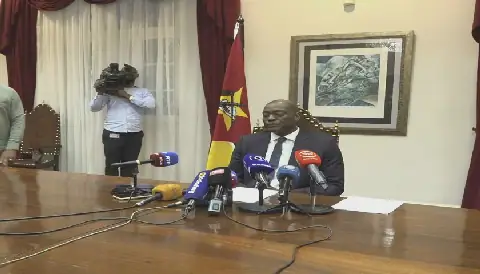
Electricity and energy minister Kgosientsho Ramokgopa disclosed the figures in response to a parliamentary question. He said that municipal debt remains the single greatest threat to Eskom's financial sustainability, projecting that the debt could balloon to R358bn by the 2031 financial year if decisive intervention is not implemented. Ramokgopa also mentioned that the City of Johannesburg had settled its arrears in full, which is an encouraging development.
Despite the growing debt, Eskom reported a R30.3bn profit after tax for the financial year to end-March. However, the non-payment of municipal, metro, and residential electricity accounts continues to constrain Eskom's financial performance. In its financial year 2026 results, Eskom did not recognise a net R15.8bn as revenue due to the heightened risk that the money would not be collected.
The debt problem has been building for years, with overdue municipal debt to Eskom rising from only a few billion rand in 2014 to about R110bn by 2026. By December 2025, municipalities participating in the government's Municipal Debt Relief Programme alone owed Eskom R85.2bn. Ramokgopa said that 83 municipalities were currently subject to Eskom's formal debt-recovery processes.
The government has introduced several interventions to address the problem, including the Municipal Debt Relief Programme. The programme aims to tackle historic arrears while requiring municipalities to improve their financial management and remain up to date with their current Eskom accounts. However, compliance remains a major challenge, with only 10 of the 71 participating municipalities fully complying with the National Treasury's key condition.
The government is also turning to technology to improve municipal revenue collection. The Treasury allocated R2.5bn over the medium term to its smart meters grant programme. More than 139,000 smart meters have already been installed across 71 debt-stressed municipalities, with another 96,400 planned for the following budget cycle. The meters aim to improve billing accuracy and provide better consumption data.
Eskom is also using credit-management processes, intergovernmental structures, and payment arrangements to improve municipal payment performance. These measures have contributed to improved payment performance among metropolitan municipalities and certain other municipalities. Eskom plans to increase annual capital expenditure from about R45bn in financial year 2026 to more than R70bn a year from financial year 2029.
Key points
- Municipalities in South Africa owe Eskom over R120bn in overdue electricity debt.
- The debt threatens Eskom's financial sustainability, with projections suggesting it could reach R358bn by 2031.
- The government has introduced several interventions, including the Municipal Debt Relief Programme and smart meters grant programme, to address the problem.