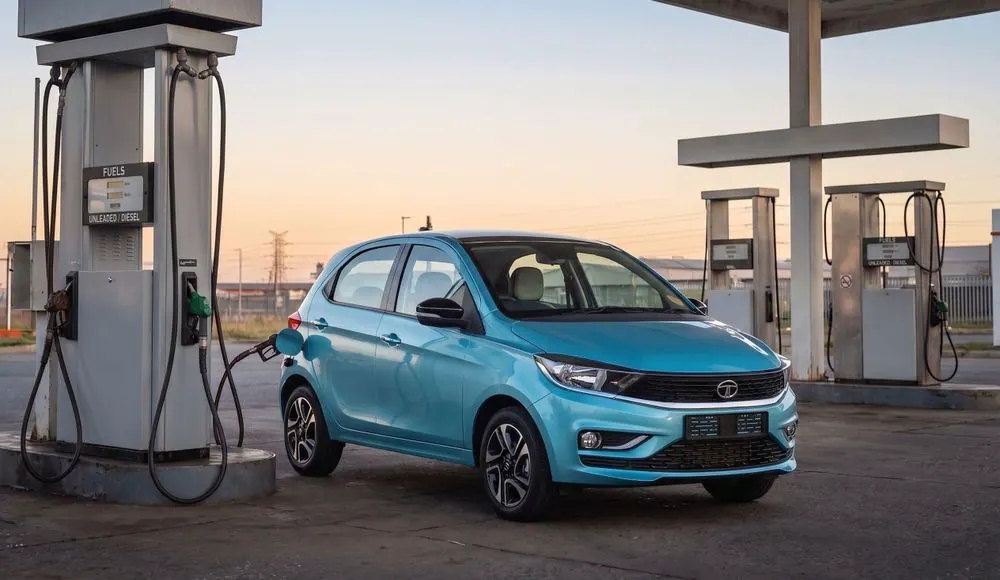
South African motorists are bracing for another substantial fuel price increase from October 7, with projected hikes of over R3 per litre for most fuel grades. According to month-end data from the Central Energy Fund (CEF), 93 Unleaded petrol is expected to rise by around R3.08 per litre, while 95 Unleaded petrol is projected to increase by R3.29 per litre. Diesel prices are also set to surge, with 500ppm diesel expected to rise by R2.80 per litre and 50ppm diesel by R3.15 per litre.
If the projected increases are implemented in full, the cost of 95 Unleaded petrol could reach around R29.23 per litre at the coast and R30.10 per litre in Gauteng from October 7. Similarly, 93 Unleaded petrol could rise to R29.94 per litre. The impact on motorists will be significant, as fuel is one of the most immediate and unavoidable household expenses. A driver covering 1,500km per month in a small car using 5.5 litres per 100km would face a monthly fuel bill of roughly R2,470 at the projected October price, compared to about R1,666 in March.
The latest fuel price increases come on the back of a sharp escalation in fuel prices since earlier this year. For motorists, the impact is particularly significant, as fuel costs continue to climb. A small car consuming 5.5 litres per 100km would move from roughly R1.11 per kilometre in March to around R1.65 per kilometre at the projected October price. This increase will put further pressure on household budgets, which are already strained.
The prospect of temporary tax relief appears limited, as Mineral and Petroleum Resources Minister Gwede Mantashe stated last month that there were no immediate plans for similar relief. In April, the government reduced the General Fuel Levy by at least R3 per litre for two months, but this relief is not expected to be repeated. Motorists are therefore heading into October with fuel prices at levels that will put further pressure on household budgets.
The latest surge in fuel prices has largely been driven by elevated international oil prices, with Middle East tensions and fears of disruption to crude supplies and shipping adding pressure during September. The Strait of Hormuz remains a particular concern for global energy markets, and unless conditions improve significantly, motorists can expect to face high fuel prices.
The impact of the fuel price increases will be felt across various sectors, including transportation and logistics. Higher fuel costs will likely lead to increased prices for goods and services, further exacerbating the strain on household budgets. As the cost of living continues to rise, motorists will need to adjust their budgets accordingly.
In related news, South Africa's inflation rate edged up to 4.4% in August, with housing and transport being the biggest contributors. The surge in fuel prices is expected to contribute to higher inflation rates in the coming months, further eroding the purchasing power of consumers. As the economic landscape continues to evolve, motorists will need to remain vigilant and adapt to the changing circumstances.
Key points
- Petrol and diesel prices are set to increase significantly from October 7, with projections pointing to increases of over R3 per litre for most fuel grades.
- The impact of the fuel price increases will be felt across various sectors, including transportation and logistics.
- The prospect of temporary tax relief appears limited, with no immediate plans for similar relief.