Today, 3 October 2026, marks the third anniversary of the 7 October 2023 Hamas attacks on Israel, an event that has had far-reaching implications for the South African Jewish community. Craig Pantanowitz, national chairperson of the South African Zionist Federation, reflected on the changes that have taken place in the community since then. On Simchat Torah three years ago, Pantanowitz received messages from people in Israel about the attacks, which he described as a moment that would define that morning for anyone who watched it.
The attacks, which involved Hamas militants murdering families in their homes, raping women, burning children, and dragging the living and dead across the Gaza border, had a profound impact on the South African Jewish community. Pantanowitz noted that the event changed what it costs to say you are a Zionist out loud and who looks at you differently at work when they find out. The community has had to navigate a new reality, where being a Zionist is no longer a taken-for-granted identity.
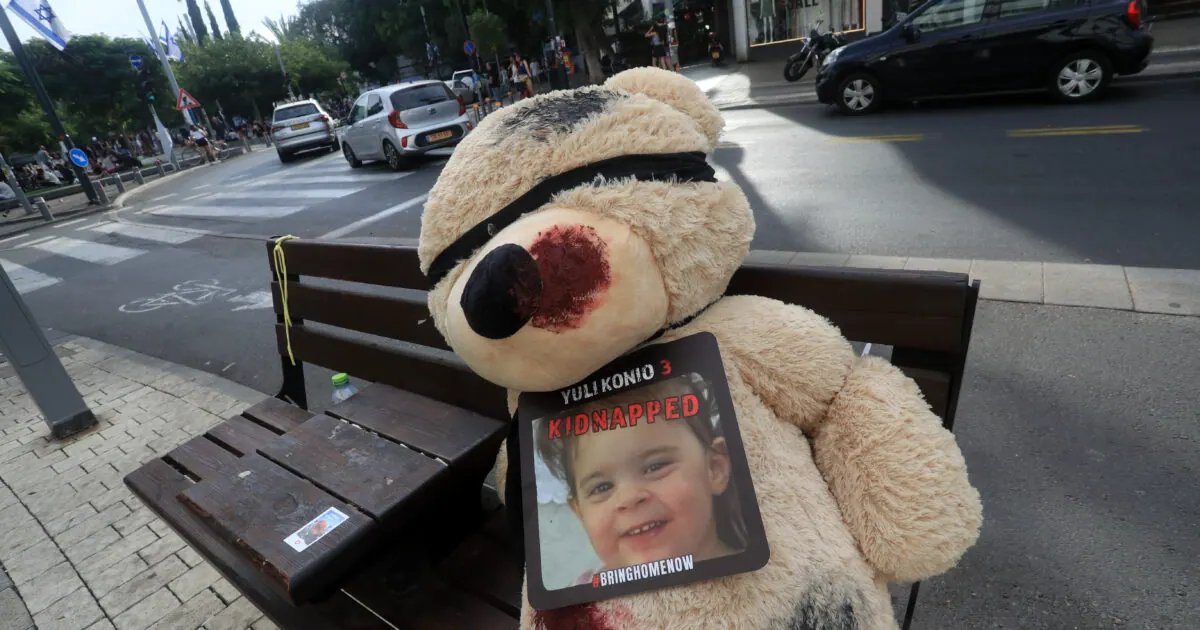
In the aftermath of the attacks, the South African Jewish community came together to organise, fundraise, and show support for Israel. They learned the names of hostages and became fluent in a vocabulary they never wanted, including proof of life, ceasefire negotiations, and body identification. However, Pantanowitz also noted that the community has had to live in a state of emergency mode for three years, which cannot be the whole of what they pass on to the next generation.
Pantanowitz observed that in the months after 7 October, there was a general instinct in the community to become smaller in public, with some people quietly stopping wearing anything that identified them as Jewish on the street. He noted that children and young adults read what the community does not say and that if they weren’t careful, the single clearest inheritance they would leave the next generation of South African Jews was fear itself.
Pantanowitz emphasised the importance of distinguishing between belonging and responsibility. Belonging is comfortable and asks nothing of you beyond showing up to shul on high holy days, while responsibility means understanding that Jewish life in South Africa and support for Israel is not a birthright we passively inherit but a position we have to actively hold, explain, and defend.
So, what does it mean to stand tall as a South African Jew and a Zionist in this moment? Pantanowitz argued that it means showing up consistently, not just in crisis, and teaching children the history and language of the conflict properly. It means refusing to let campus intimidation, diplomatic hostility, or social exclusion convince them to make themselves smaller.
As the South African Jewish community marks this anniversary, Pantanowitz is asking them to decide what Jewish life they choose next – a life defined by what they build in response to the attacks, rather than what was done to them. He wants the community to pass on a legacy of backbone, not dread, and to teach children that being Jewish in this moment means being proud, informed, and unafraid.
Key points
- The 7 October 2023 Hamas attacks on Israel have had a lasting impact on the South African Jewish community, changing what it means to be a Zionist and how they express their identity.