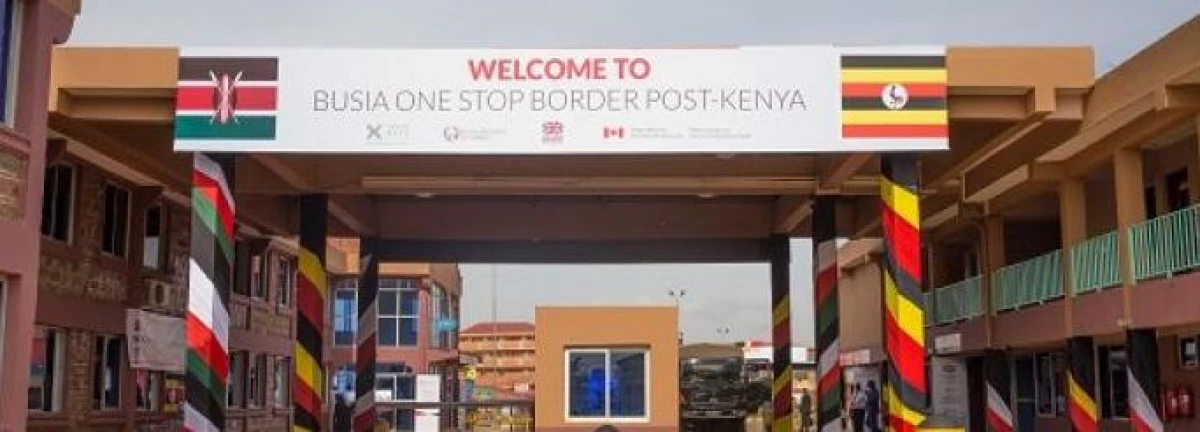
As Kenya intensifies its Ebola response following the confirmation and subsequent death of the country's first case, concerns are emerging over gaps at water border crossings. A spot check by Citizen TV at the Mulwanda crossing in Busia County found residents from Kenya and Uganda moving freely across River Sio, with no visible port health officers or health screening.
The Mulwanda crossing is an informal and historical route along the Kenya-Uganda border, where boat and boda boda operators ferry passengers, traders and goods between the two countries several times a day. Locals move between the two countries without visible temperature checks or questions about possible Ebola symptoms.
Residents interviewed expressed concern over the lack of screening, with one resident, Makoha Wanga, saying that there was no screening at the crossing and that they were unaware of the risks associated with Ebola. Another resident, Vincent Malingu, said the community was largely unaware of the risks associated with the disease and continued to cross the border regularly to buy goods.
Fishermen and traders interviewed said they had never undergone health screening when crossing between Kenya and Uganda. They said there were no public health officials taking temperatures or asking travellers about symptoms, despite frequent movement between the two countries for fishing, trade and visits to relatives.
Boda boda operators also said they make several trips across the border each day without undergoing screening. Jeremiah Buor, a Mulwanda resident and boda boda operator, said that there were no health checks for them, and they could make multiple trips across the border in a day.
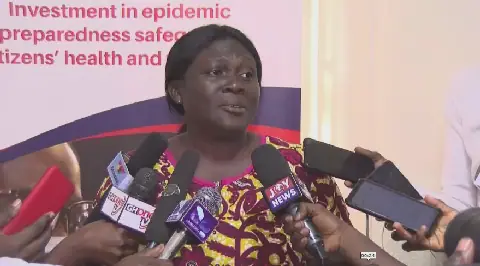
The Busia County Government attributed the situation partly to a shortage of health workers, saying it would be difficult to maintain round-the-clock surveillance at every informal crossing. Arthur Odera, Busia County health CEC, said that with the shortage of health workers, they had a challenge in maintaining surveillance.
With frequent movement of people and goods across the water border, the situation in Mulwanda highlights the challenge of extending disease surveillance beyond formal airports and major land border points as Kenya works to contain Ebola. The county government faces a daunting task in balancing the need for surveillance with the reality of limited resources.
Key points
- The lack of Ebola screening at informal water border crossings between Kenya and Uganda has raised concerns over the country's ability to contain the disease.
- Residents and traders at the Mulwanda crossing have never undergone health screening when crossing between Kenya and Uganda.
- The Busia County Government has attributed the situation to a shortage of health workers, making it difficult to maintain round-the-clock surveillance at every informal crossing.